
Aspen Skier’s Remarkable Recovery: Could Psychedelics Transform Brain Injury Treatment?
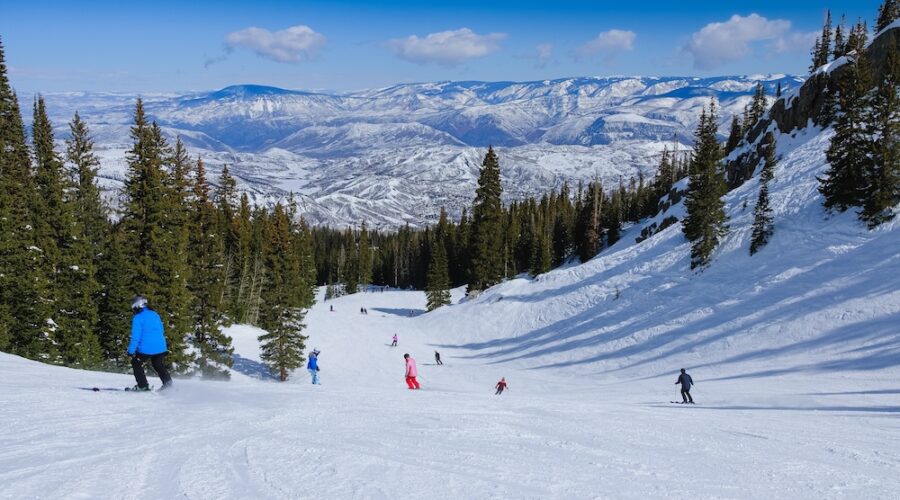
James Hall survived a catastrophic skiing accident in March 2020 that left him with broken vertebrae and a traumatic brain injury. What happened next defied medical expectations and could reshape how we approach brain injury recovery. Doctors predicted six months of inpatient rehabilitation, but Hall walked out in six weeks. His secret? Psychedelic mushrooms.
New: Interested in Being Part of a Psychedelics-Focused Clinical Trial? Sign Up Here
| Key Takeaways |
|---|
| Hall experienced rapid recovery from traumatic brain injury, discharging from rehab in 6 weeks instead of predicted 6 months |
| He credits psilocybin mushrooms for accelerating his healing process |
| Recent research suggests psychedelics may reduce brain inflammation and promote neuroplasticity |
| Hall now grows mushrooms commercially and won Denver’s Psychedelic Cup for potency |
| Scientific studies show promise for psychedelic therapy in brain injury, though more research is needed |
Do you work in the ketamine industry? Save thousands on overhead and other fees by joining the first GPO for ketamine clinics and practitioners. There’s no cost to join and zero obligations. Sign up here!
Most clinics spend 4-6 weeks navigating Spravato REMS certification — chasing paperwork, decoding FDA requirements, and wondering if they missed a step. Our AI-powered REMS Certification Assistant cuts that to one sitting. Get a personalized checklist of exactly what you need, and walk into the REMS portal ready to submit.
Get the REMS Certification Assistant →From Catastrophe to Hope
Hall was living his dream as a ski enthusiast in Aspen when he crashed into a tree, breaking multiple vertebrae and suffering severe brain trauma. The accident launched him through multiple hospitals before landing at a premier rehabilitation center in Denver. There, medical professionals witnessed something extraordinary.
“Everybody was like, how is this happening? Like you’re on track to make a full recovery. We’ve never seen a pace like this,” Hall recalled. During his injury, he had to relearn basic functions like walking and talking, understanding everything but unable to respond.
The Science Behind Psychedelic Healing
Recent clinical trials have begun investigating psychedelic therapeutics for brain injury treatment, focusing on their ability to modulate neuroinflammation, promote neuroplasticity, and enhance brain connectivity. The research reveals compelling mechanisms that could explain Hall’s rapid recovery.
Unlike steroids that cause generalized immune suppression, psychedelics produce unique cytokine expression patterns that target harmful immune responses without exposing patients to serious infection risks. Studies show psilocybin can reduce vasogenic edema, restore normal vascular reactivity, and enhance brain derived neurotrophic factor levels.
Transforming Recovery Into Purpose
After his full recovery, Hall began growing his own mushrooms and collaborating with North Spore, eventually winning Denver’s Psychedelic Cup for cultivating one of the most potent strains in the country. His experience sparked a new mission: helping others access potential healing benefits through his company Mountain Made Product.
“Getting, you know, this out to everybody to try and help just more people grow and understand cubensis,” Hall explained. His collaboration with North Spore will launch a new line of mushroom substrates this fall, making cultivation more accessible to those seeking alternative healing approaches.
The Broader Medical Frontier
Nearly half of patients with severe traumatic brain injury requiring hospitalization are left with major disability despite rehabilitation efforts. Research from institutions like Johns Hopkins has demonstrated that psilocybin can provide lasting relief from treatment resistant depression, a common complication following brain injury.
A 2018 brain imaging study revealed that psychedelics can help rebuild disrupted networks in the brain, which could benefit individuals whose normal communication patterns have been affected by injury. The compounds appear to help the brain rewire while providing anti inflammatory effects that may counter neuropathological events caused by trauma.
However, Hall maintains realistic expectations about universal application. “It’s not going to work for everybody, but it was very effective for me,” he acknowledges. The field remains in its infancy, with researchers carefully studying safety profiles and optimal treatment protocols.
Hall’s journey from devastating injury to championship level mushroom cultivation represents more than personal triumph. It illuminates potential pathways for millions facing similar struggles with brain trauma recovery. As research continues expanding our understanding of psychedelic therapeutics, stories like his provide both hope and evidence for what might be possible in neurological healing.


