Attorney General Misses Deadline to Streamline Research on Psychedelics
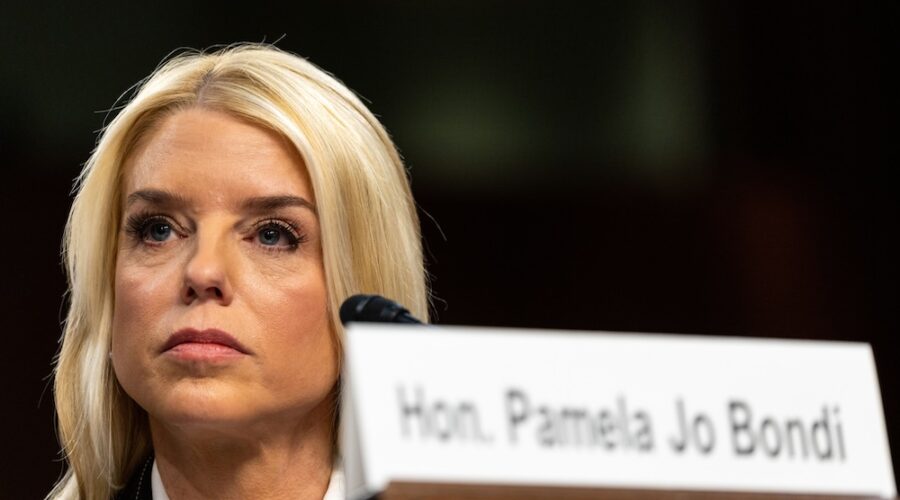
The Department of Justice failed to meet a January 16 deadline to publish new rules simplifying Schedule I research. Attorney General Pam Bondi was required by law to issue interim guidelines. These rules would have created clearer paths for scientists studying cannabis, psilocybin, MDMA and other controlled substances.
Do you work in the ketamine industry? Save thousands on overhead and other fees by joining the first GPO for ketamine clinics and practitioners. There’s no cost to join and zero obligations. Sign up here!
| Key Takeaways |
|---|
| The Attorney General missed a January 16 deadline mandated by Congress |
| New rules would streamline research registration for Schedule I substances |
| The HALT Fentanyl Act requires simplified processes for federally funded researchers |
| Scientists studying under FDA approval would also benefit from faster registration |
| Advocates warn the delay perpetuates harm to medical innovation |
Looking for treatment? Find ketamine clinics closest to you as well as other psychedelic therapies in your area.
A Mandate Left Unfulfilled
Congress passed the HALT Fentanyl Act last year. President Donald Trump signed it into law. While the legislation focused on fentanyl analogues, it included provisions to ease research barriers. The law requires simplified registration for scientists working on federally funded projects. It also applies to researchers holding FDA Investigational New Drug exemptions.
Under the new framework, DEA registered researchers could begin new studies within 30 days. First time applicants would receive decisions within 45 days. The law even allows researchers to manufacture small quantities for study purposes without additional registration.
The Cost of Inaction
Advocacy groups are raising alarms. Students for Sensible Drug Policy called the missed deadline a direct contributor to research harm. Executive Director Kat Murti emphasized that unclear rules delay medical innovation. They also slow development of treatments for overdose, pain, addiction and mental health conditions.
Dr. Alaina Jaster, a pharmacologist and toxicologist, warned that confusion is now inevitable. Without proper guidance, scientists must navigate contradictory rules. This affects research into promising therapies that millions of patients await.
What This Means for Psychedelic Medicine
The delay matters deeply to the alternative mental health community. Clinical trials for psilocybin, MDMA and ketamine derivatives face ongoing bureaucratic obstacles. Each day without clear rules represents lost time. Patients with treatment resistant depression, PTSD and anxiety continue waiting.
Trump issued an executive order last month directing Bondi to complete marijuana rescheduling. That process also remains incomplete. The administration’s actions suggest support for reform. The execution tells a different story.
The scientific community now watches and waits. Clear implementation guidelines would transform how researchers access Schedule I substances. Until Bondi acts, the promise of streamlined research remains unfulfilled.