
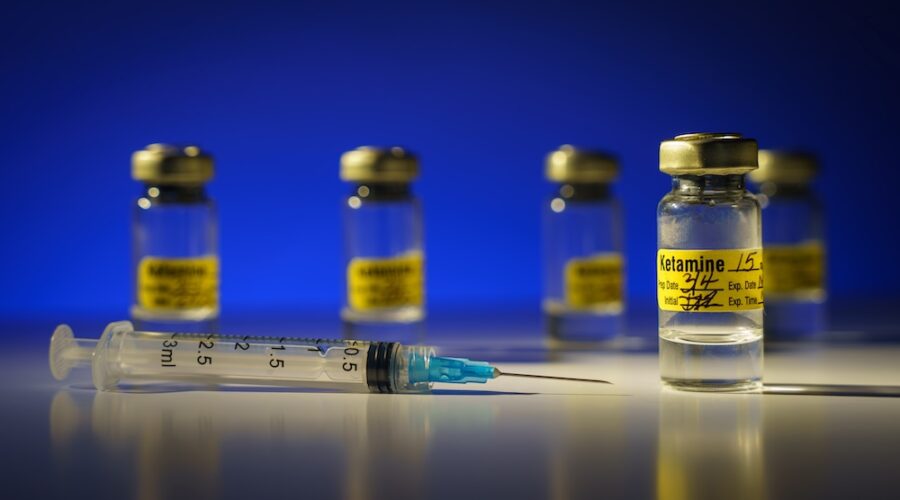
Ketamine Therapy Offers Hope for People with Treatment Resistant PTSD
A recent study published in Nature Mental Health highlights the potential of ketamine-assisted therapy to help people living with severe post-traumatic stress disorder. In a controlled clinical setting, participants who had not responded to other treatments showed significant improvement after receiving repeated doses of ketamine in combination with psychotherapy.
New: Interested in Being Part of a Psychedelics-Focused Clinical Trial? Sign Up Here
| Key Takeaways | Details |
|---|---|
| Condition treated | Treatment resistant PTSD |
| Substance used | Ketamine |
| Therapy approach | Psychedelic style setting with music, eye masks and guided integration |
| Number of participants | 158 adults |
| Dosing schedule | Six ketamine infusions over two weeks plus talk therapy |
| Main result | Significant reduction in PTSD symptoms that lasted at least 24 days |
| Broader implication | Ketamine may serve as a powerful tool when paired with the right support |
RELATED: Watch: WSJ Breaks Down the Mainstreaming of Psychedelics in Silicon Valley
Most clinics spend 4-6 weeks navigating Spravato REMS certification — chasing paperwork, decoding FDA requirements, and wondering if they missed a step. Our AI-powered REMS Certification Assistant cuts that to one sitting. Get a personalized checklist of exactly what you need, and walk into the REMS portal ready to submit.
Get the REMS Certification Assistant →How the Treatment Was Structured
The trial involved 158 adults diagnosed with treatment resistant PTSD. Each received either a low dose of ketamine, a standard dose or a placebo across six sessions. Participants also took part in guided therapy that followed each infusion. This included talk therapy as well as structured time for emotional processing.
Researchers created a setting designed to support introspection and calm. Participants wore eye masks and listened to curated music during infusions. These features mirrored aspects of other psychedelic therapies that aim to soften mental defenses and encourage emotional breakthroughs.
RELATED: Federal Judge Orders Utah Police to Return Psychedelic Mushrooms to Religious Group
Results Show Sustained Symptom Relief
Participants who received the higher dose of ketamine showed the strongest reduction in PTSD symptoms. In many cases, these effects lasted weeks after the final treatment. That durability suggests ketamine may work not just by blocking symptoms temporarily but by helping the brain reorganize emotional memory.
The researchers note that this therapeutic model does more than simply deliver a drug. It offers a space where patients can revisit trauma with a new mindset. Therapy sessions before and after infusions help ground the experience and turn it into something constructive.
RELATED: A Scientist Just Created A New Giant, Mutant Magic Mushroom
A New Direction for Trauma Care
Though ketamine is already used for depression in some clinics, its benefits for PTSD have been harder to confirm. This study offers some of the strongest data to date that the substance may be effective when delivered in the right context.
The research supports a broader move toward treatments that view mental health as a whole body and mind experience. By pairing medicine with meaning, ketamine assisted therapy may offer new hope for people who have tried everything else.
RELATED: Magic Mushrooms Court Ruling Could Reshape India’s Drug Laws: “It’s A Natural Fungus”


