
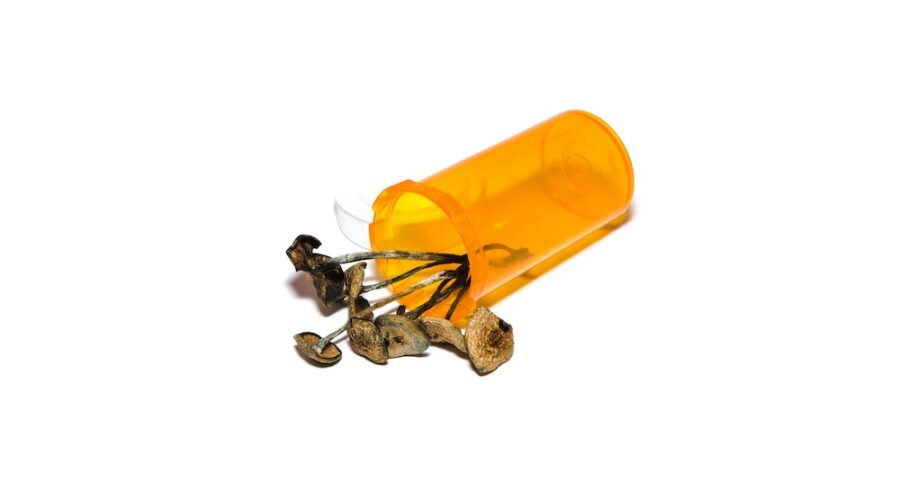
New RAND Data Shows More Americans Are Open To Psychedelics, But in Clinical Settings
A new RAND Corporation report confirms what many in the mental health space have suspected for years. Americans are warming to psychedelics, and the shift is rooted in something deeply personal: the desire for better treatment options.
The 2025 RAND Psychedelics Survey polled over 10,000 adults and found that 23% now support legal psilocybin use. That figure mirrors where cannabis stood in the mid 1990s, just before the first medical marijuana laws took hold. The message from the public is clear. Healing drives this movement, not recreation.
Looking for treatment? Find ketamine clinics closest to you as well as other psychedelic therapies in your area.
Most clinics spend 4-6 weeks navigating Spravato REMS certification — chasing paperwork, decoding FDA requirements, and wondering if they missed a step. Our AI-powered REMS Certification Assistant cuts that to one sitting. Get a personalized checklist of exactly what you need, and walk into the REMS portal ready to submit.
Get the REMS Certification Assistant →| Key Takeaway | Detail |
|---|---|
| Psilocybin support | 23% of U.S. adults back legal use |
| Cannabis comparison | Matches cannabis approval in the mid 1990s |
| Top reason for support | Treating a mental or physical health condition (29.7%) |
| Recreational support | Only 11.3% favor psilocybin use “for any reason” |
| Preferred access model | 49% say supervised medical facilities |
| Synthetic psychedelics lag | LSD at 9.9%, MDMA at 9.2% approval |
| States with legal frameworks | Oregon, Colorado and New Mexico |
Do you work in the ketamine industry? Save thousands on overhead and other fees by joining the first GPO for ketamine clinics and practitioners. There’s no cost to join and zero obligations. Sign up here!
A Health First Movement
The most revealing finding sits in the details of why people support legalization. Treating a health condition was the top endorsed reason across all three substances studied. Nearly 30% of adults backed psilocybin use for medical purposes. Recreational or personal use drew just 11.3% support.
This distinction matters for anyone exploring treatment options today. The American public does not see psilocybin as a party drug. They see it as medicine. Even among those who oppose legalization broadly, roughly 17% said they would support psilocybin use for mental or physical health conditions.
Who Supports Legal Psychedelics
The data reveals a clear demographic portrait. Men support psilocybin legalization at higher rates than women (29% vs. 18%). Adults under 45 show the strongest backing, with about 32% in favor. Support drops to 11% among those 60 and older.
Personal experience also plays a major role. Among people who have tried psilocybin, 62% support its legalization. That number still trails cannabis, where 80% of users support legal access. The gap suggests psilocybin advocacy still has room to grow.
Americans Want Clinical Oversight
Perhaps the most actionable finding for those seeking treatment: Americans overwhelmingly prefer structured, supervised access. Nearly half of all adults said psilocybin should be available at medical facilities under professional supervision. Roughly 41% backed at home use via prescription. Dispensary style retail drew only 28% support.
These preferences align with what HealingMaps has seen across its network of clinics. Patients want professional guidance. They want safety protocols. They want treatment that feels like healthcare, not a trip to a store.
The Road Ahead
Three states have already built legal frameworks for supervised psilocybin access. Oregon launched its program in 2023. Colorado and New Mexico followed with their own models. New Jersey recently approved a clinical pilot program. Washington state is weighing two different legislative proposals.
RAND researchers caution against assuming psilocybin will follow the exact path of cannabis. The cultural forces that propelled marijuana legalization between 1995 and 2016 may not repeat on the same timeline. But the underlying trend is unmistakable. Public support is growing, and it is anchored in a desire for better mental health care.
For the millions of Americans exploring alternatives to traditional treatment, these numbers offer validation. The conversation has shifted from whether psychedelics belong in healthcare to how they should be delivered.


