AOC Spent $19K In Campaign Funds On Ketamine Psychiatrist (This is Not A Bad Thing!)
Last reviewed and updated: June 25, 2026.
Key Takeaways
| What happened | AOC’s campaign paid ~$19K to Dr. Bryan Boyle of Stella clinic for “leadership training and consulting” — ketamine-assisted psychiatric services |
| FEC status | No ruling issued; whether therapy tied to campaign demands is “personal” is a genuine gray area; politically controversial but not clearly a violation |
| Ketamine therapy today | 700+ U.S. clinics; Spravato $400M+/quarter at J&J; approved for TRD in 2019; standard psychiatric option for treatment-resistant cases |
| Insurance | Spravato often covered for TRD; IV ketamine almost always out-of-pocket ($3k–$8k series) |
| Bigger picture | Story reflects ongoing mainstreaming of ketamine and normalization of public figures discussing mental health treatment |
| Key Takeaway | Details |
|---|---|
| Total Spent | $18,725 across three payments in 2025 |
| Psychiatrist | Dr. Bryan Boyle, Harvard trained, chief psychiatric officer at Stella |
| Listed Purpose | “Leadership training and consulting” |
| Legal Question | FEC rules prohibit personal expenses from campaign funds |
| Broader Context | AOC has proposed psychedelic research legislation three times |
What This Means for Ketamine Therapy
The political debate aside, this story highlights something important. Ketamine therapy continues to move from the margins of mental health care into wider public awareness. Stella, the clinic where Dr. Boyle practices, offers treatments for PTSD, depression and anxiety using protocols that include ketamine assisted therapy. These are real clinical services backed by a growing body of research. Every time ketamine appears in a headline, it creates an opportunity. More people learn that FDA approved ketamine treatments exist. More people discover that this is not fringe medicine. It is an evidence based approach that has changed lives for patients who found no relief through traditional options.The Bigger Picture
Ocasio Cortez has introduced legislation three times to expand psychedelic research for mental illness treatment. Regardless of where anyone stands politically, that track record signals a shift. Elected officials are engaging with psychedelic medicine as a serious policy matter. For patients exploring ketamine therapy, the clinical facts remain clear. Ketamine has decades of medical use. The FDA approved esketamine nasal spray for treatment resistant depression in 2019. Clinics across the country now offer supervised ketamine treatments under medical guidance. The headlines will fade. The science will not. If you or someone you know is considering ketamine therapy, the most important step is connecting with a qualified provider who can evaluate whether this treatment fits your needs.Ketamine Therapy Goes Mainstream: Why the AOC Story Is Bigger Than a Headline
The story of a sitting U.S. congresswoman’s campaign paying nearly $19,000 to a ketamine psychiatrist generated predictable political coverage — but the underlying story is about a therapy that has quietly moved from fringe to mainstream in American mental health care. Understanding that arc is essential to understanding why this story resonated so widely.
Ketamine therapy: from operating room to psychiatric practice. Ketamine was approved by the FDA as an anesthetic in 1970 and has been used in emergency medicine ever since. Its antidepressant properties were first documented in academic literature in the early 2000s, and the first ketamine clinics opened around 2010. In 2019, the FDA approved Spravato (esketamine nasal spray) for treatment-resistant depression — the first genuinely new antidepressant mechanism approved in decades, and the first ketamine-derived treatment to receive formal psychiatric approval. By 2025, an estimated 700+ ketamine clinics operate nationally, and Spravato revenue at Johnson & Johnson exceeded $400 million per quarter — on pace to be a $2 billion drug by 2026. This is no longer experimental; it is a standard option in psychiatric practice for patients who have failed multiple antidepressants.
What “leadership training” using ketamine actually means. The category of “leadership training and consulting” listed on FEC filings for ketamine sessions reflects the legitimate and growing field of ketamine-assisted coaching and corporate wellness. Dr. Bryan Boyle of Stella works at the intersection of clinical psychiatry and executive wellness — his practice addresses high-functioning depression, leadership burnout, and stress-related cognitive impairment in high-demand professionals. This is distinct from recreational use: it involves clinical evaluation, dosing protocols, and integration support. Calling it “leadership training” on an FEC filing is not unusual — corporate wellness programs frequently use similar categorizations for therapy-adjacent services.
The FEC question: is this legal? Federal Election Commission rules prohibit the use of campaign funds for personal expenses — but “personal expenses” is interpreted based on whether the expense would exist regardless of the candidate’s campaign activities. If a politician’s mental health treatment is connected to campaign demands (stress management, burnout prevention, leadership effectiveness in a demanding public role), it occupies a genuinely gray area. The FEC has not issued a ruling on this specific matter. The broader political conversation it sparked — about mental health and public figures, about whether discussing or acknowledging therapy is a liability — reflects ongoing cultural shifts in how Americans talk about mental health treatment.
Frequently Asked Questions
Is it legal to use campaign funds for mental health treatment?
The FEC prohibits using campaign funds for “personal use” — expenses that would exist regardless of the candidacy. Whether mental health treatment for a sitting member of Congress qualifies as campaign-related depends heavily on the circumstances and how it’s documented. If the treatment addresses stress, burnout, or leadership performance directly tied to the demands of the campaign or office, there is a legitimate argument that it is campaign-related. The FEC has historically evaluated these cases individually. As of the time of this article’s publication, no FEC ruling had been issued on this specific matter. The political controversy around the story was driven more by the novelty of ketamine therapy being publicly acknowledged than by clear evidence of an FEC violation.
What is Stella and what do they do?
Stella is a mental health clinic chain that specializes in innovative treatment protocols, including ketamine-assisted therapy, stellate ganglion block (SGB) for PTSD and anxiety, and ketamine-based treatment for burnout and trauma. Their chief psychiatric officer, Dr. Bryan Boyle, is Harvard-trained and has been a public advocate for expanding access to treatment-resistant mental health care. Stella operates multiple clinic locations nationally and serves both individual patients and corporate clients through executive wellness programs. Their approach integrates evidence-based pharmacological interventions with psychological support and coaching — positioning them in the growing field of “precision psychiatry” for high-functioning individuals with treatment-resistant conditions.
How does ketamine treat depression and anxiety?
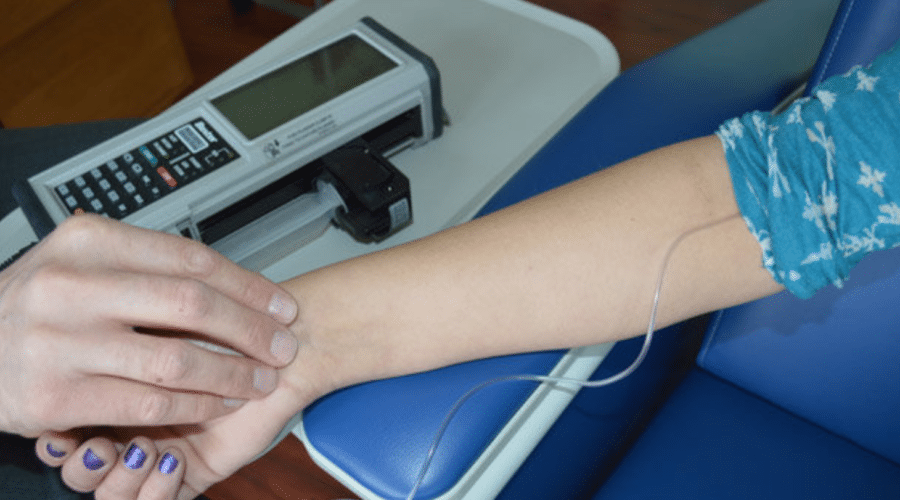
Ketamine works differently from traditional antidepressants (SSRIs, SNRIs) which target serotonin and norepinephrine over weeks. Ketamine is an NMDA glutamate receptor antagonist: blocking these receptors triggers a rapid burst of glutamate activity through AMPA receptors, which stimulates BDNF (brain-derived neurotrophic factor) release and synaptogenesis — the formation of new synaptic connections. This rewiring of neural circuits that depression has pruned explains ketamine’s most distinctive feature: antidepressant effects appear within hours rather than weeks. A typical IV infusion series (6 infusions over 2–3 weeks) can produce significant symptom relief in patients who have failed multiple other treatments. Spravato (esketamine) works through a similar mechanism, delivered as a nasal spray under clinical supervision.
Is ketamine therapy covered by insurance?
It depends on the form. Spravato (esketamine) is FDA-approved for treatment-resistant depression and MDD with suicidal ideation, and is covered by most major insurance plans for those indications (with prior authorization). Many patients pay $0–$50 per session after insurance. IV ketamine infusions are almost always out-of-pocket — they are off-label for psychiatric use and not typically covered by insurance. A standard series of 6 infusions typically costs $3,000–$8,000 depending on location. Some providers offer financing. Ketamine lozenges (compounded, taken at home) are the least expensive option and are sometimes covered under certain Medicare Advantage or commercial plans, but coverage is inconsistent.