
Find a verified BPC-157 clinic near you. BPC-157 (Body Protection Compound-157) is the most-requested recovery peptide in the country — this directory lists clinics with licensed medical oversight that prescribe it (and the peptides commonly stacked with it: TB-500, CJC-1295, Ipamorelin, Sermorelin) through accredited compounding pharmacies.
BPC-157 sits in an unresolved regulatory position. In April 2026 the FDA removed BPC-157 and 11 other peptides from its Category 2 restricted list. On July 23, 2026 the agency’s Pharmacy Compounding Advisory Committee voted 8 to 6, with one abstention, to recommend adding BPC-157 to the 503A bulk drug substances list. FDA career scientists had argued against it, concluding the evidence did not meet the agency’s four part standard. We covered that vote and what it means for clinics. The recommendation is not a rule. The FDA still has to accept it and complete notice and comment rulemaking before compounding becomes lawful. BPC-157 remains a non FDA approved compound today. The safe path for patients is a licensed clinician and an accredited compounding pharmacy that can speak to the current status in your state.
| Milestone | What it means |
|---|---|
| April 2026 | FDA removed BPC-157 and 11 other peptides from the Category 2 restricted list |
| July 23, 2026 | The Pharmacy Compounding Advisory Committee voted 8 to 6, with one abstention, to recommend the 503A bulks list |
| What the vote did | Issued a non binding recommendation to the FDA, against the advice of the agency’s own scientists |
| What it did not do | Legalize compounding, or place BPC-157 on the bulks list |
| Still required | FDA acceptance of the recommendation, then notice and comment rulemaking |
| Status today | Not FDA approved, and not yet lawfully compoundable under 503A |
Clinics weighing what to do next can compare the two scenarios we mapped before the committee met, covering what a yes vote changes and what a no vote would have meant. The committee reviewed several peptides across those two days, including KPV, which also cleared its vote.
Safety first — read this before you start
- BPC-157 is not FDA-approved for any condition, and long-term human safety data is limited.
- It should be prescribed and monitored by a licensed clinician and dispensed by an accredited compounding pharmacy — not bought as a “research-use-only” product online.
- Do not use BPC-157 if you have active or suspected cancer, or if you are pregnant or nursing.
- This page is educational and is not medical advice. Talk with your own doctor before starting any peptide.
BPC-157 & Recovery Peptide Clinics Near You
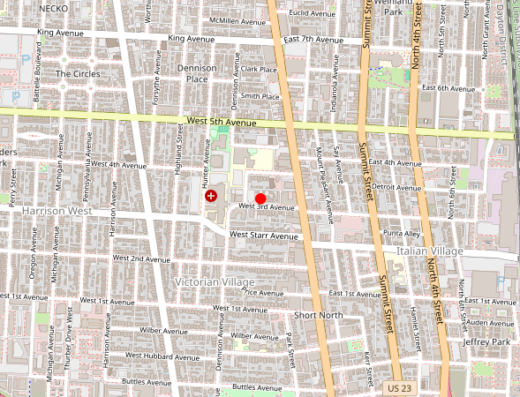
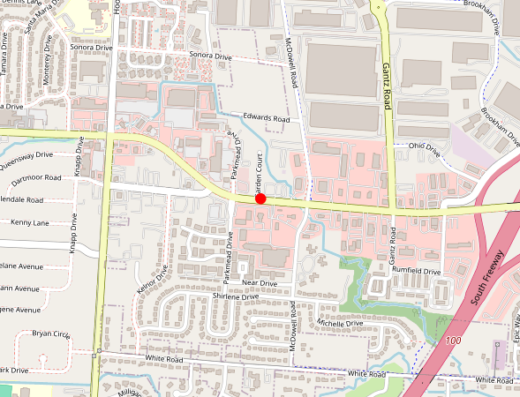
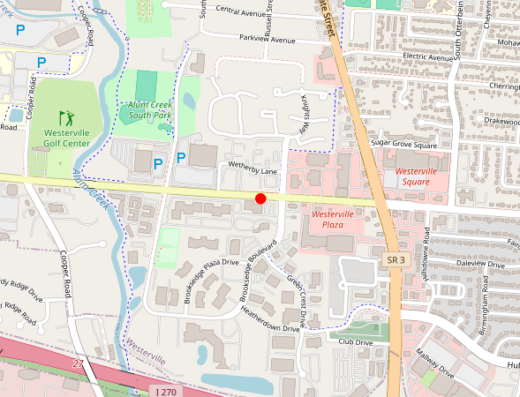
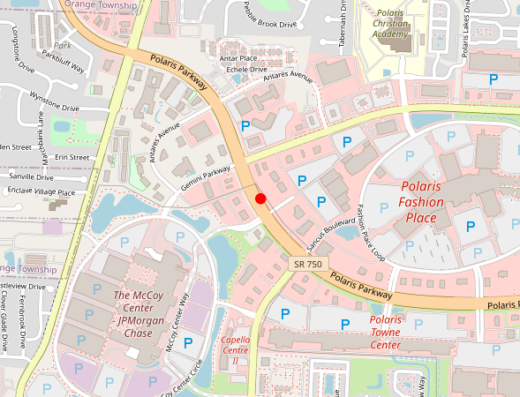
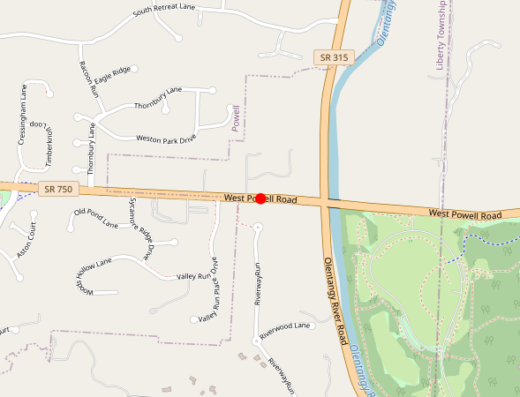
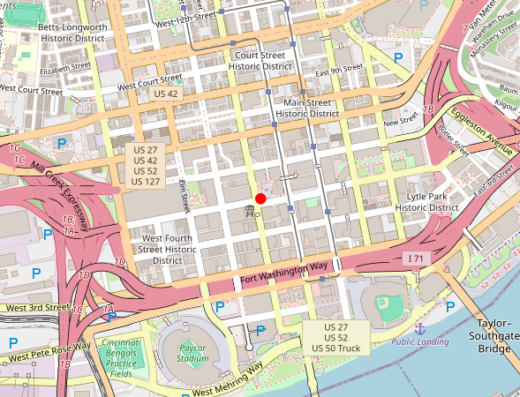
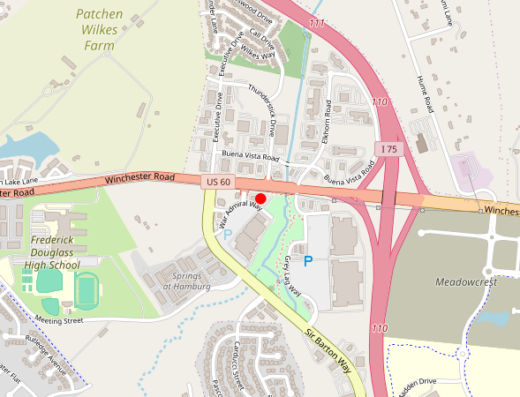
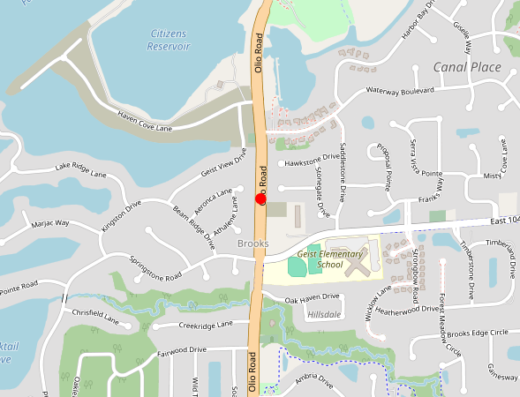
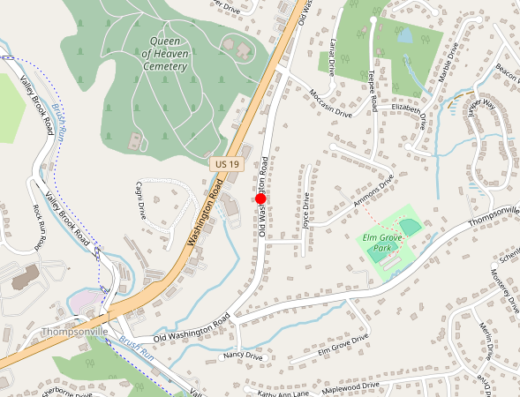
Showing verified recovery peptide clinics near: Columbus, Ohio US

What Is BPC-157?
BPC-157 is a 15-amino-acid pentadecapeptide derived from a protein found in human gastric juice. Clinicians prescribe it through 503A compounding pharmacies for tendon, ligament and connective-tissue recovery, post-surgical healing, inflammatory gut conditions, and general athletic recovery. It is not FDA-approved for any specific indication, and the research in humans is still early — most evidence to date is preclinical. That makes the quality of the prescribing clinic especially important.
For a deeper look at the science, read our TB-500 explainer (commonly stacked with BPC-157) and our complete guide to peptide therapy.
Is BPC-157 Safe? What We Know — and What We Don’t
BPC-157 is generally described as well-tolerated in preclinical research and in clinician-supervised use, but the human evidence base is still thin. There are no large published human trials, so the true frequency of side effects — and any rare or long-term risks — has not been established. That uncertainty is the single biggest reason to use BPC-157 only under medical supervision, never on your own.
Reported side effects. The side effects users and clinicians describe are usually mild: injection-site redness or irritation, nausea, headache, dizziness, and fatigue. Most resolve on their own, but any new or persistent symptom should be reported to your prescribing clinician right away.
The main theoretical concern is angiogenesis. BPC-157 promotes the growth of new blood vessels — part of how it may support healing — and in theory that same activity could feed an existing tumor. There is no published human evidence that BPC-157 causes cancer or accelerates tumor growth, and a 2025 review suggested its effect on angiogenesis appears regulated rather than indiscriminate. But because the question has not been studied directly in people, clinicians generally advise anyone with active or suspected cancer to avoid it.
Who should not use BPC-157. Avoid it if you have active or suspected cancer, or if you are pregnant or nursing — there is no safety data for these groups. If you have cardiovascular disease or an autoimmune condition, discuss the risks with your clinician before starting, and make sure your provider reviews every medication and supplement you take for possible interactions.
Product quality matters as much as the peptide. Some of the most serious problems come not from BPC-157 itself but from contaminated “research-grade” vials sold online, which can contain endotoxins or heavy metals. Sourcing through a licensed clinic and an accredited 503A/503B compounding pharmacy — rather than a gray-market website — is the most important safety step you can take. Competitive athletes should also note that BPC-157 is on the World Anti-Doping Agency (WADA) prohibited list.
Common BPC-157 Stacks
Most clinics build protocols around a few well-known combinations. BPC-157 + TB-500 is the most common pairing for tendon, ligament and connective-tissue recovery. CJC-1295 / Ipamorelin adds a growth-hormone pulse for sleep, recovery and body composition — read our deep dive. Sermorelin is a gentler GHRH analog. Thymosin Alpha-1 is an immune modulator layered into recovery protocols — details here — and KPV is an anti-inflammatory peptide for gut and skin — details here.
How to Choose a BPC-157 Clinic
Look for clinics led by a licensed medical provider (MD, DO, NP, PA or ND) with a 503A or 503B compounding-pharmacy partnership and third-party testing. Responsible protocols start with baseline lab work and a real clinical evaluation — in person or by video — before the first dose, not just an online questionnaire. Be skeptical of any clinic that won’t name the peptides it offers until you pay, and avoid “research-use-only” sellers that skip a prescription entirely. Every clinic in this directory is verified to have a licensed provider and a real physical location.
Browse BPC-157 Clinics by Metro
Looking in a specific city? Our metro guides rank the verified peptide clinics in each market:
- Best Peptide Clinics in Dallas–Fort Worth
- Best Peptide Clinics in Houston
- Best Peptide Clinics in Los Angeles
- Best Peptide Clinics in San Diego
- Best Peptide Clinics in Tampa
- Best Peptide Clinics in Miami
- Best Peptide Clinics in Orlando
- Best Peptide Clinics in New York City
- Best Peptide Clinics in Chicago
- Best Peptide Clinics in Seattle
- Best Peptide Clinics in Phoenix
- Best Peptide Clinics in Atlanta
- Best Peptide Clinics in Denver
- Best Peptide Clinics in Nashville
- Best Peptide Clinics in Kansas City
No Verified Clinic Near You? The Telehealth Route
The metro list above is honest about its gaps: plenty of markets have no clinic that will take a BPC-157 protocol seriously. If a fresh or unexplained injury is what brought you here, get it imaged and graded in person first — a torn tendon needs an orthopedist, not a peptide. But for the ordinary cases patients actually arrive with, a nagging tendon, post-surgical recovery, or an inflammatory gut issue a GI has already worked up, a licensed telehealth provider can run the intake, write the prescription and ship from a licensed U.S. pharmacy without a drive.
One program in our coverage carries a BPC-157 protocol: Live Vital’s Wolverine, a compounded BPC-157 and TB-500 blend at $116 per month (verified on livevital.io, September 2026) — below the $150 to $400 the clinics in this directory typically charge, though a clinic visit buys you an exam and on-site lab work that a telehealth intake does not. Live Vital says it serves all 50 states and offers a free 15-minute phone consult with its physician, Dr. Patrick Taylor, MD, before you commit to anything.
| In-person clinic (this directory) | Telehealth (Live Vital) | |
|---|---|---|
| Typical monthly cost | $150 to $400 | $116 — Wolverine (BPC-157 + TB-500) |
| Physical exam and imaging | Yes, on site | No — bring outside imaging to the intake |
| Where you can use it | Depends on your metro | All 50 states, per Live Vital |
| Talking to a doctor first | At your appointment | Free 15-minute phone consult, then online intake |
| What’s included | Varies — ask whether visits and labs are bundled | Doctor-prescribed, licensed U.S. pharmacy, unlimited care-team messaging |
| Best for | A graded injury, complex history, or anything needing hands-on assessment | A known issue, a repeat cycle, or no verified clinic within driving distance |
No verified BPC-157 clinic in your metro?
Live Vital prescribes Wolverine (BPC-157 + TB-500) online — $116/mo, all 50 states.
A doctor-prescribed recovery protocol for tissue repair and inflammation after injury or surgery, compounded by a licensed U.S. pharmacy and shipped to your door, with unlimited messaging to the care team included. Start with a free 15-minute phone consult with Dr. Patrick Taylor, MD if you are not sure BPC-157 is the right peptide for your injury — treatment ships only if a provider finds it clinically appropriate. No gray-market or “research-use-only” vendors, ever.
Check Wolverine Availability →Provider consultation required; dispensed by licensed pharmacies. HealingMaps may earn a commission through this link — it doesn’t change your price. Compounded peptides are not FDA-approved finished products; eligibility is determined by Live Vital’s licensed providers.
BPC-157 FAQs
Is BPC-157 legal in the United States in 2026?
It is a fast moving, transitional area. In April 2026 the FDA removed BPC-157 and 11 other peptides from its Category 2 restricted list. On July 23, 2026 the FDA compounding advisory committee voted 8 to 6, with one abstention, to recommend adding BPC-157 to the 503A bulks list, over the objection of FDA career scientists. That recommendation is not binding and does not legalize compounding. The FDA must still accept it and complete notice and comment rulemaking, so BPC-157 remains a non-FDA-approved compound. The practical takeaway: work only with a licensed clinician and an accredited compounding pharmacy that can confirm the current status in your state.
How much does BPC-157 therapy cost?
Most clinics in this directory price BPC-157 protocols between $150 and $400 per month, depending on dose, whether it’s stacked with TB-500 or growth-hormone peptides, and whether consultation visits are bundled. Compounded peptide therapy is almost always cash-pay — insurance rarely covers it.
How is BPC-157 administered?
The most common form is subcutaneous injection — a small-gauge needle used at home, typically once or twice daily for a 4-to-8-week cycle. Some clinics offer oral (capsule) or topical formulations, though these are less well-studied.
What conditions is BPC-157 used for?
Based on how clinics in this directory describe their protocols: tendon and ligament injuries, post-surgical recovery, joint pain, inflammatory gut conditions, muscle strains, and general athletic recovery. It is not FDA-approved for any of these uses and the evidence varies by indication — discuss realistic expectations with a licensed clinician.
What are the most common side effects of BPC-157?
Reported side effects are generally mild and include injection-site redness or irritation, nausea, headache, dizziness, and fatigue. Because there are no large published human trials, the true frequency of side effects — and any rare or long-term risks — is not yet well established, which is exactly why BPC-157 should be taken under medical supervision. Report any new or persistent symptom to your prescribing clinician.
Who should not take BPC-157?
People with active or suspected cancer should avoid BPC-157, because it promotes the growth of new blood vessels (angiogenesis) that could in theory support tumor growth. It should also be avoided by anyone who is pregnant or nursing, since there is no safety data for these groups. If you have cardiovascular disease or an autoimmune condition, or take other medications, review the risks with a licensed clinician before starting.
Do I need a prescription, and what should I look for in a clinic?
Yes — legitimate BPC-157 is dispensed by a licensed compounding pharmacy on a clinician’s prescription, not bought over the counter. Look for a clinic led by a licensed medical provider (MD, DO, NP, PA, or ND), a 503A/503B compounding-pharmacy partnership, and baseline lab work before your first dose. Be skeptical of any seller offering BPC-157 “for research use only” without a clinical evaluation.
This page is for general educational purposes only and is not medical advice. BPC-157 is not approved by the U.S. Food and Drug Administration to diagnose, treat, cure, or prevent any disease. Always consult a licensed healthcare provider before starting, stopping, or changing any treatment. HealingMaps verifies clinic licensure and physical location but does not provide medical care or endorse any specific protocol.