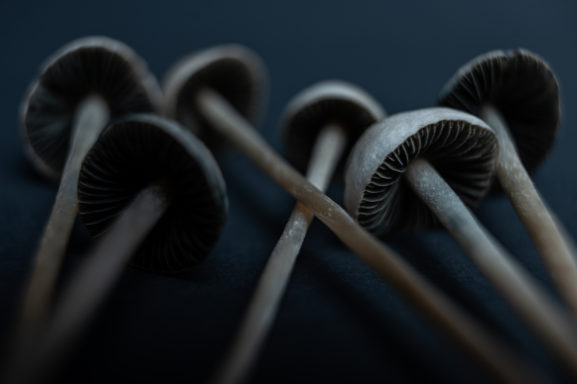
Psilocybin Outperforms Nicotine Patches in Landmark Smoking Study
One dose of psilocybin gave smokers more than six times better odds of quitting than a nicotine patch. That is the headline finding from a new Johns Hopkins University study published in JAMA Network Open. The trial tracked 82 current smokers over six months. All participants also completed 13 weeks of cognitive behavioral therapy. The results signal a potential turning point in addiction treatment.
New: Get Pre-Screened for a Psychedelic Clinical Trial
| Key Takeaway | Detail |
|---|---|
| Study source | Johns Hopkins University, published in JAMA Network Open |
| Sample size | 82 current smokers |
| Abstinence at 6 months | 17 psilocybin participants vs. 4 in the nicotine patch group |
| Odds improvement | Psilocybin group had more than 6x greater odds of quitting |
| Therapeutic support | All participants completed 13 weeks of cognitive behavioral therapy |
| Mechanism | Promotes neuroplasticity; does not target nicotine receptors |
| Current quit rates | 20–30% long term success even with medication and counseling |
| Next steps | NIH-funded larger trial with placebo arm now underway |
A New Tool for an Old Problem
Smoking remains the leading cause of preventable death in the United States. Seven medications currently exist to help people quit. Most are nicotine replacement products. Even with medication and counseling combined, the long term success rate sits between 20% and 30% per attempt. That means roughly 70% of people return to smoking. Megan Piper of the UW Center for Tobacco Research and Intervention put it plainly. No new quit smoking medication has emerged in 20 years.
Most clinics spend 4-6 weeks navigating Spravato REMS certification — chasing paperwork, decoding FDA requirements, and wondering if they missed a step. Our AI-powered REMS Certification Assistant cuts that to one sitting. Get a personalized checklist of exactly what you need, and walk into the REMS portal ready to submit.
Get the REMS Certification Assistant →How the Trial Worked
Researchers divided 82 smokers into two groups. One received psilocybin. The other used nicotine patches. Those in the psilocybin group ingested a high dose of pure psilocybin in a supervised setting. Facilitators were present throughout. Participants wore eye shades and listened to soft music. At the six month mark, 17 participants in the psilocybin group had stayed off cigarettes. Only 4 in the nicotine patch group had done the same.
A Different Mechanism
Psilocybin does not target nicotine receptors. Unlike replacement therapies, it does not mimic the addictive substance. Dr. Brian Barnett of the Cleveland Clinic called it “a very different treatment approach.” Researchers believe psilocybin works by promoting neuroplasticity and changing how the brain communicates with itself. Study author Matthew Johnson described it as helping participants step outside familiar patterns and approach things differently.
What Comes Next
The study had real limitations. There was no placebo group, and the sample was small. Larger, more diverse trials are needed. The NIH has already funded a follow up trial with a placebo arm. Brain imaging data from the current study is still being analyzed. The field has gone two decades without a new quit smoking medication. These results open a significant door.
At HealingMaps, we track the science behind psychedelic medicine and connect people with clinics at the leading edge of these treatments. The evidence is building. Psilocybin may not solve everything, but it represents something the addiction field has long needed: a meaningfully different approach.