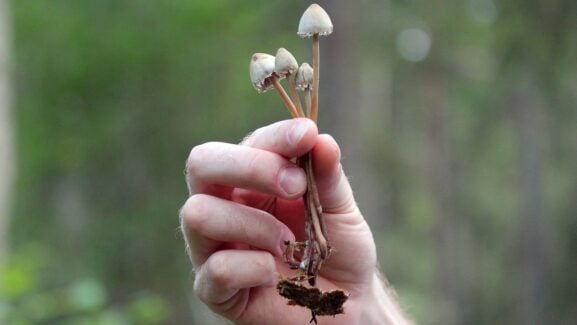
Colorado Considers Ibogaine as Next Regulated Psychedelic Medicine
Colorado stands on the verge of becoming the first state to regulate ibogaine, a powerful plant derived psychedelic with promising applications for treating addiction and trauma. The state’s Natural Medicine Advisory Board is evaluating whether to recommend the drug for inclusion in healing centers alongside psilocybin mushrooms, which opened their doors this summer.
New: Interested in Being Part of a Psychedelics-Focused Clinical Trial? Sign Up Here
| Key Takeaway | Details |
|---|---|
| Timeline | Possible regulation before November 2026 |
| Medical Benefits | Treats addiction, depression, anxiety, traumatic brain injuries |
| Safety Concerns | Can cause heart rhythm irregularities; requires medical supervision |
| Cost | Treatment ranges $9,500 to $19,500 for 10-day programs |
| Indigenous Rights | Need to honor Bwiti traditions from Gabon |
Do you work in the ketamine industry? Save thousands on overhead and other fees by joining the first GPO for ketamine clinics and practitioners. There’s no cost to join and zero obligations. Sign up here!
A Path From Underground to Mainstream
Talia Eisenberg’s journey exemplifies ibogaine’s potential. After struggling with heroin addiction and failing multiple expensive rehab attempts, she found healing through underground ibogaine treatment in the late 2000s. Today, she and her husband run Beond, an ibogaine retreat center in Cancun that serves as a model for what Colorado might implement.
The drug gained legal traction through Colorado’s 2023 Natural Medicine Regulation and Legalization Act. Unlike other psychedelics in the law, ibogaine faces no restrictions on when regulators can consider it for healing centers.
Scientific Promise Meets Medical Complexity
Research shows ibogaine offers unique therapeutic advantages. The drug creates a dream-like experience lasting up to three days, far longer than LSD or psilocybin. Users report weeks of increased openness to change afterward, providing an extended window for therapeutic intervention.
For opioid addiction specifically, ibogaine reduces withdrawal symptoms and cravings, addressing the primary barriers to recovery. This benefit could prove invaluable given that opioid addiction cost Colorado over $14 billion in 2017 alone.
Yet scientific understanding remains limited. Studies involve small groups and treatment center reports rather than rigorous clinical trials. Victor Pablo Acero, an Ohio State University researcher, calls ibogaine “one of the least well understood, studied and characterized psychedelics.”
Navigating Serious Safety Risks
Ibogaine carries documented risks that demand careful consideration. Several deaths have occurred during or after treatment, though causes remain unclear. The drug can trigger long QT syndrome, a heart rhythm irregularity that might lead to cardiac events.
Medical supervision significantly reduces these dangers. Beond employs doctors, cardiologists and nurses throughout treatment, making their approach more surgical than typical psychedelic therapy. Even with this level of care, the facility experienced one death in 2022.
Colorado lawmakers acknowledge these risks. While the 2023 law decriminalized ibogaine possession and use, sharing the drug remains illegal. This unusual provision reflects concerns about unsupervised administration.
Honoring Indigenous Traditions
The Bwiti people of Gabon have used iboga root in spiritual practices for centuries. Pamela Ngondet Rosario, who comes from a Bwiti family, raised crucial concerns at a recent psychedelic conference about respecting Indigenous knowledge and values in modern applications.
Colorado regulators are considering outreach to Gabonese officials for traditional knowledge sharing. However, Indigenous advocacy groups warn against exploitation. They emphasize the need for fair compensation and genuine respect for traditional practitioners and their communities.
The state’s Indigenous working group noted concerning trends of traditional healers leaving cultural training for profit driven retreat centers, raising questions about informed consent and exploitation.
Governor Jared Polis remains optimistic about implementation before his term ends in November 2026. The Natural Medicine Advisory Board continues evaluating safety protocols, ethical sourcing and Indigenous partnership opportunities. If approved, Colorado would pioneer regulated ibogaine treatment in America, potentially transforming addiction care while honoring ancient wisdom.
Find a provider: Denver Wellness ‘ Aesthetics
Find a provider: Bassé Ibogaine Clinic ‘ Tulum, Mexico
See also: — related HealingMaps coverage.
See also: — our ibogaine treatment directory.
Find a provider: The POI Institute ‘ Cabo San Lucas, Mexico