Eli Lilly Will File Retatrutide, Its Most Powerful Weight-Loss Drug Yet, for FDA Approval in Early 2027
Eli Lilly just set a timeline for the most powerful weight-loss drug in development. Alongside its second-quarter earnings on July 23, 2026, the company said it will file retatrutide for FDA approval in early 2027, after two more Phase 3 trials succeeded. Retatrutide is the drug the obesity field has watched most closely, because in trials it has pushed weight loss past every approved medication and into territory once reserved for surgery.
The headline number is the reason. In its pivotal obesity trial, retatrutide helped patients lose up to about 30% of their body weight. For comparison, semaglutide, sold as Wegovy, delivers roughly 15%, and tirzepatide, sold as Zepbound, delivers roughly 21%. If retatrutide reaches the market, it would raise the ceiling on what a weekly injection can do.
GLP-1 weight loss — available now, 100% online
Not waiting for 2027? Doctor-prescribed GLP-1 from $199/mo today.
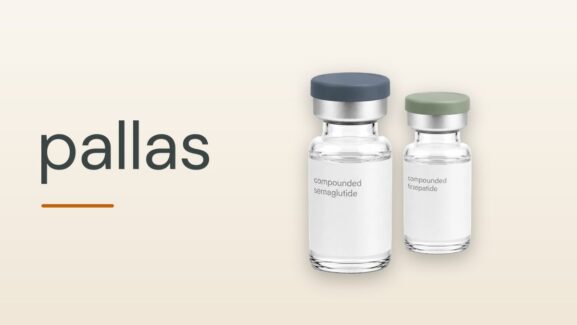
Retatrutide is still investigational — but SkinnyRx prescribes today’s GLP-1s with clinician-guided care: compounded semaglutide from $199/mo, or tirzepatide from $299/mo as a once-weekly injection or once-daily tablet. Online assessment, licensed provider review, free shipping, cancel anytime — FSA/HSA eligible, with a 90-day money-back guarantee.
Check If I Qualify →Provider consultation required. HealingMaps may earn a commission through this link — it doesn’t change your price. Compounded medications are not FDA-approved finished products; eligibility is determined by SkinnyRx’s licensed providers. 90-day money-back guarantee per SkinnyRx terms.
Key Takeaways
| The news | Eli Lilly said it will file retatrutide for FDA approval in early 2027, after two more successful Phase 3 trials. |
| What it is | An investigational once-weekly injection that targets three hormones at once: GIP, GLP-1, and glucagon. |
| The weight loss | In Phase 3, patients lost up to about 30% of their body weight, a level usually associated with bariatric surgery. |
| How it compares | That tops semaglutide (Wegovy) at roughly 15% and tirzepatide (Zepbound) at roughly 21%. |
| The timeline | An early 2027 filing means approval no sooner than late 2027 or 2028. Nothing is available to patients yet. |
| Market stakes | Analysts have projected retatrutide could reach billions in annual sales and reshape the obesity drug market. |
What Retatrutide Is
Retatrutide is an investigational, once-weekly injection, and its design is what sets it apart. Semaglutide targets one gut hormone receptor, GLP-1. Tirzepatide targets two, GLP-1 and GIP. Retatrutide targets three, adding glucagon to the pair. That third target is thought to increase energy expenditure on top of the appetite and blood sugar effects of the other two. Researchers and investors have nicknamed it the triple-G drug. We explain the science in our retatrutide overview.
The Weight Loss Numbers
The Phase 3 results are why the filing matters. In the TRIUMPH-1 obesity trial, patients on the highest dose lost an average of about 28% of their body weight at 80 weeks, and a subgroup with higher starting weight lost up to about 30% at 104 weeks. Nearly half of participants on that dose lost at least 30% of their body weight, a threshold long associated with bariatric surgery. The two trials Lilly reported this week added more evidence, with an average loss of about 23% in adults with severe obesity and about 21% in adults who also had type 2 diabetes. Lilly also reported large reductions in liver fat, and in a separate osteoarthritis study, meaningful relief from knee pain. The full data appears in Lilly’s Phase 3 announcements.
How It Compares to Wegovy and Zepbound
Placed next to the drugs already on pharmacy shelves, retatrutide’s numbers stand out. Semaglutide, the GLP-1 medication sold as Wegovy and Ozempic, produces roughly 15% weight loss. Tirzepatide, the GLP-1 and GIP medication sold as Zepbound and Mounjaro, produces roughly 21% and already beat semaglutide head to head. Retatrutide’s roughly 28 to 30% would extend that ladder another rung. We compare the two next-generation drugs directly in our tirzepatide versus retatrutide breakdown.
What the 2027 Timeline Means
For anyone hoping to try retatrutide, the practical answer is patience. An early 2027 filing is a slight delay from the 2026 submission some had expected, and it means FDA approval would come no sooner than late 2027 or 2028, if it comes at all. Retatrutide is not available by prescription today, and it is not approved in any form. Versions sold online as research chemicals are not FDA reviewed and carry real quality and legal risks. For now, the approved options remain semaglutide and tirzepatide, and you can see current pricing in our GLP-1 cost breakdown.
Frequently Asked Questions
- What is retatrutide?
- Retatrutide is an investigational once-weekly injection from Eli Lilly for weight loss. It is a triple hormone receptor agonist, meaning it targets three receptors at once: GIP, GLP-1, and glucagon. It is not yet approved by the FDA.
- When will retatrutide be available?
- Eli Lilly said it will file for FDA approval in early 2027. If the FDA approves it, retatrutide would likely not reach patients until late 2027 or 2028. It is not available by prescription today.
- How much weight do people lose on retatrutide?
- In Phase 3 trials, patients on the highest dose lost up to about 30% of their body weight, with an average near 28% at 80 weeks. That is higher than semaglutide at about 15% and tirzepatide at about 21%.
- How is retatrutide different from Ozempic and Zepbound?
- Ozempic and Wegovy (semaglutide) target one receptor, GLP-1. Zepbound and Mounjaro (tirzepatide) target two, GLP-1 and GIP. Retatrutide targets three, adding glucagon, which is thought to boost energy expenditure and is why it produced greater weight loss in trials.
RELATED: Retatrutide: The Trillion Dollar Weight Loss Peptide in Development | Tirzepatide vs. Retatrutide: The 2026 Next-Generation GLP-1 Comparison | How Much Does Compounded GLP-1 Cost in 2026?