Is Compounded Semaglutide & Tirzepatide Safe? Side Effects, Risks & Red Flags (2026)
GLP-1 medications like semaglutide and tirzepatide have a well studied safety profile when they’re prescribed and monitored properly, but “properly” is doing a lot of work in that sentence. Most serious problems trace back to one of three things: a side effect that wasn’t managed, a contraindication that was missed, or a product that came from the wrong place. Here’s an honest look at the real risks, who should avoid these drugs entirely, and why where you get a compounded GLP-1 matters as much as the medication itself.
Safety first: read this before you start
- GLP-1 medications are powerful prescription drugs. They should be prescribed and monitored by a licensed clinician, not bought from a “research-use-only” seller.
- Compounded semaglutide and tirzepatide are not FDA-approved finished products and have not been reviewed by the FDA for safety, effectiveness, or quality.
- Do not use a GLP-1 if you have a personal or family history of medullary thyroid cancer or MEN2, or if you are pregnant or nursing.
- This page is educational and is not medical advice. Talk with your own doctor before starting, stopping, or changing any treatment.
Doctor-prescribed GLP-1s — delivered to your home
Get doctor-prescribed GLP-1s shipped straight to your door — no insurance needed, from $199/mo.
SkinnyRx pairs prescription GLP-1 medication with clinician-guided care: compounded semaglutide from $199/mo, or tirzepatide from $299/mo as a once-weekly injection or once-daily tablet. Online assessment, licensed provider review, free shipping, cancel anytime — FSA/HSA eligible.
Check If I Qualify →Provider consultation required. HealingMaps may earn a commission through this link — it doesn’t change your price. Compounded medications are not FDA-approved finished products; eligibility is determined by SkinnyRx’s licensed providers. 90-day money-back guarantee per SkinnyRx terms.
The Short Answer
For most healthy adults, GLP-1s are considered safe under medical supervision, and the most common side effects are gastrointestinal and usually manageable. The serious risks (pancreatitis, gallbladder problems, and a rodent study thyroid tumor signal) are rare but real, which is why certain people should never take them. The biggest added risk with compounded GLP-1 isn’t the molecule; it’s sourcing and dosing: the FDA has received adverse event reports tied to dosing errors and unapproved versions. A licensed clinician and an accredited pharmacy remove most of that risk.
Once the safety question is settled, our ranking of the cheapest legitimate GLP-1 programs shows where real prices start.
| Key Takeaway | What It Means |
|---|---|
| For most healthy adults, GLP-1s are safe under medical supervision | The common side effects are gastrointestinal and usually manageable |
| The serious risks are rare but real | Pancreatitis, gallbladder problems, and a rodent thyroid signal drive the contraindications |
| Some people must avoid GLP-1s entirely | A medullary thyroid cancer or MEN2 history, and pregnancy, are absolute contraindications |
| With compounded GLP-1, sourcing is the main risk | The molecule is the same; dosing errors and gray market vials cause the documented harm |
| A licensed clinician plus an accredited pharmacy removes most of the risk | Screening, correct titration, and pre-dosed medication prevent the common problems |
Common Side Effects
The most common GLP-1 side effects are gastrointestinal, especially as you start or increase your dose:
- Nausea (the most common), vomiting, diarrhea, and constipation
- Abdominal pain, bloating, and reflux
- Fatigue, headache, and dizziness
- Injection site redness or irritation (for injectable forms)
These usually ease as your body adjusts, and a slow, clinician guided dose increase (“titration”) is the single best way to minimize them. In head-to-head data, tirzepatide tends to cause somewhat fewer gastrointestinal side effects than semaglutide at comparable weight loss doses, though individual experience varies.
Serious but Rare Risks
- Acute pancreatitis. Uncommon, but GLP-1s have been linked to cases of pancreatitis. Severe, persistent abdominal pain (sometimes radiating to the back) warrants stopping the drug and seeking care.
- Gallbladder problems. Rapid weight loss raises the risk of gallstones; GLP-1s carry a gallbladder disease signal.
- Thyroid C-cell tumors. GLP-1s carry a boxed warning based on thyroid tumors seen in rodents. It has not been confirmed in humans, but it drives the most important contraindication (below).
- Nerve pain (allodynia/dysesthesia). An uncommon, dose-dependent reaction reported with semaglutide and tirzepatide that typically resolves when the drug is stopped.
- Dehydration and kidney strain. Heavy vomiting or diarrhea can lead to dehydration and, rarely, acute kidney injury. Stay hydrated and report severe GI symptoms.
- Low blood sugar. Risk is low on its own but rises if you also take insulin or a sulfonylurea. Your clinician may adjust those.
- Muscle loss. Some of the weight lost on a GLP-1 is lean muscle; adequate protein and resistance exercise help protect it.
Who Should Not Take GLP-1s
Some people should avoid GLP-1s entirely. These are the absolute contraindications:
- A personal or family history of medullary thyroid carcinoma (MTC)
- Multiple Endocrine Neoplasia syndrome type 2 (MEN2)
- Pregnancy (and GLP-1s are generally avoided while nursing)
- Active or prior pancreatitis (use only with specialist guidance)
Use extra caution, and a frank conversation with your clinician, if you have gastroparesis or severe gastrointestinal disease, a history of gallstones, advanced diabetic eye disease, or a current or past eating disorder. This is exactly the kind of screening a legitimate telehealth program does before prescribing, and why “no questions asked” sellers are a red flag.
The Compounded-Specific Safety Question
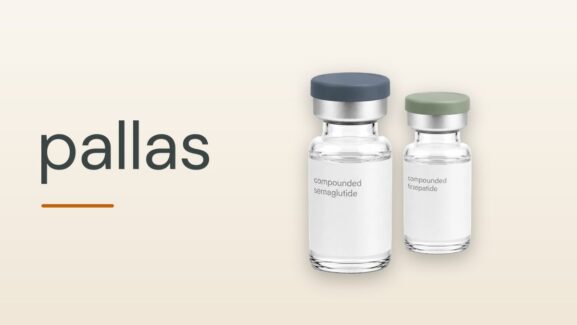
Compounded semaglutide and tirzepatide deserve their own safety conversation, because the added risk is real but specific. Compounded drugs are mixed by a pharmacy rather than manufactured as an FDA-approved product, so the FDA has not reviewed the finished compounded medication for safety, effectiveness, or quality. The agency has documented adverse events tied to unapproved GLP-1 products and dosing errors (people drawing up too much from a vial, dosing too often, or escalating too quickly), landing some in the ER with severe nausea, vomiting, and dehydration. The FDA has also warned about compounded products using semaglutide salt forms (sodium/acetate) that differ from the approved active ingredient.
On top of that, the 2026 regulatory picture is tightening: now that the semaglutide and tirzepatide shortages have ended, the FDA has moved to phase out large-scale (503B) outsourcing-facility compounding of these drugs. Reputable telehealth programs have adapted by working with state-licensed (503A) pharmacies and licensed clinicians who manage dosing for you. That’s the version of compounded GLP-1 that’s reasonable to consider, not a gray market vial off a website. Programs like ShedRx are LegitScript-verified, route prescriptions through licensed clinicians, and ship pre-dosed medication, which removes the most common sources of compounded-GLP-1 harm.
How to Use a GLP-1 Safely
- Get a real prescription from a licensed clinician. A legitimate program screens you for contraindications first: thyroid history, pregnancy, pancreatitis, medications.
- Use an accredited pharmacy. For compounded medication, that means a state-licensed (503A) or registered (503B) pharmacy, not an overseas or “research” vendor.
- Titrate slowly. Start low and increase only as directed. Most side effects come from going up too fast.
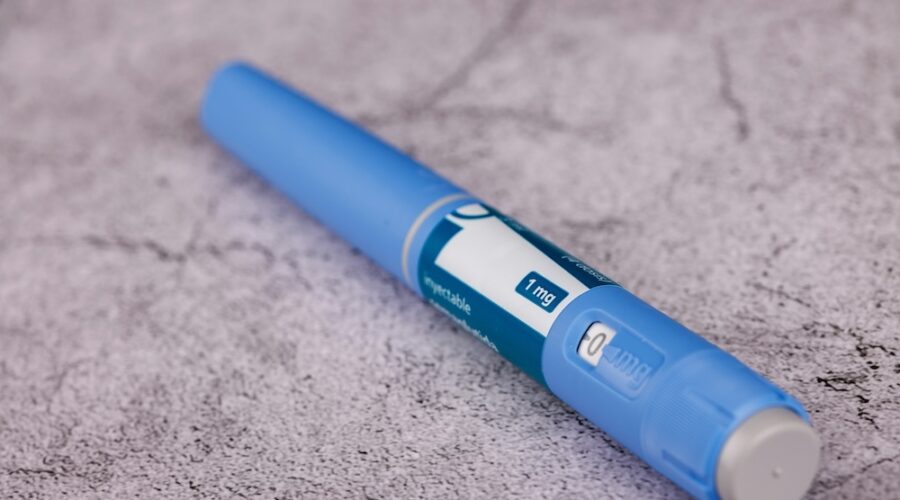
- Follow the dose exactly. Don’t “eyeball” doses from a vial or double up. Pre-filled or pre-dosed formats reduce error.
- Stay hydrated and prioritize protein. It eases GI side effects and protects muscle.
- Report warning signs. Severe abdominal pain, persistent vomiting, signs of dehydration, or a lump in the neck mean stop and call your clinician.
Red Flags: How to Spot an Unsafe GLP-1 Seller
- Sells GLP-1 “for research use only” or “not for human consumption”
- No prescription, no medical intake, no licensed clinician involved
- Ships from overseas, or won’t name its pharmacy
- Asks you to reconstitute powder and calculate your own dose with no guidance
- Prices that are implausibly low with no clinical oversight
- No way to reach a real provider with questions
Doctor-prescribed GLP-1s — delivered to your home
Get doctor-prescribed GLP-1s shipped straight to your door — no insurance needed, from $199/mo.
SkinnyRx pairs prescription GLP-1 medication with clinician-guided care: compounded semaglutide from $199/mo, or tirzepatide from $299/mo as a once-weekly injection or once-daily tablet. Online assessment, licensed provider review, free shipping, cancel anytime — FSA/HSA eligible.
Check If I Qualify →Provider consultation required. HealingMaps may earn a commission through this link — it doesn’t change your price. Compounded medications are not FDA-approved finished products; eligibility is determined by SkinnyRx’s licensed providers. 90-day money-back guarantee per SkinnyRx terms.
Frequently Asked Questions
Is compounded semaglutide safe?
The active ingredient is the same molecule as in brand-name semaglutide, but the compounded finished product is not FDA-reviewed for safety or quality. The realistic risk depends almost entirely on sourcing and dosing: a licensed clinician plus an accredited pharmacy and clinician-managed titration removes most of it. Gray market vials and self-dosing are where the documented harm comes from.
What are the most dangerous GLP-1 side effects?
The rare-but-serious ones are acute pancreatitis, gallbladder disease, and a rodent study thyroid tumor signal that drives the contraindication for people with a personal or family history of medullary thyroid cancer or MEN2. Severe, persistent abdominal pain is the symptom to never ignore.
Who should not take a GLP-1?
Anyone with a personal or family history of medullary thyroid carcinoma or MEN2, anyone pregnant or nursing, and people with active or prior pancreatitis (without specialist guidance). Several other conditions call for extra caution, which is why proper medical screening matters.
Are brand-name GLP-1s safer than compounded?
Brand-name Wegovy and Zepbound are FDA-approved, meaning the finished product has been reviewed for safety and quality, an advantage compounded versions don’t have. The drug’s own side effects and contraindications are the same. If FDA review is your priority and cost isn’t the obstacle, brand-name is the more conservative choice.
The Bottom Line
GLP-1s are not risk-free, but for most healthy adults without the key contraindications, they have a well-characterized safety profile when used under medical supervision. The side effects are mostly manageable, the serious risks are rare, and the people who should avoid them entirely are identifiable with proper screening. With compounded GLP-1 specifically, the medication isn’t the main risk. Sourcing and dosing are. Work with a licensed clinician and an accredited, verified pharmacy, follow the dose exactly, and never buy a GLP-1 sold “for research use only.”
This page is for general educational purposes only and is not medical advice. Compounded semaglutide and tirzepatide are not FDA-approved finished products, and the FDA has not reviewed them for safety, effectiveness, or quality. Always consult a licensed healthcare provider before starting, stopping, or changing any treatment. HealingMaps verifies that the partners it features are licensed and operating but does not provide medical care or endorse any specific protocol.