Patients Say There Is Nobody to Talk to After Ketamine. A Crisis Line Logged 705 of Those Calls
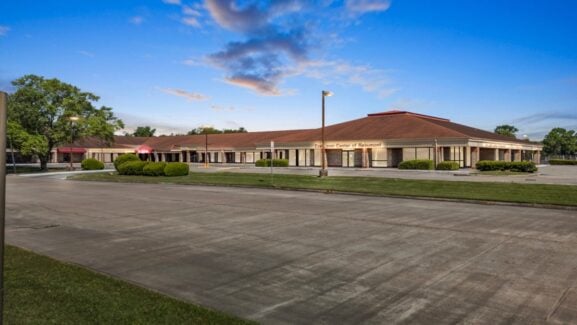
A ketamine patient posted on Reddit recently that the clinic they went to feels and smells like a hospital. The rooms are cold, they said, and there is nobody to talk to afterward about what they just went through. It reads like one person venting.
It is not. Between April 2021 and February 2026, a psychedelic support line took 705 calls about ketamine from people who had already finished their session. We pulled the underlying dataset and counted them.
HealingMaps GPO members save 40 percent or more on medical supplies and 15 to 20 percent on malpractice insurance. Joining is free. It is the first GPO built for the ketamine industry. Members also get 20 to 30 percent off HIPAA compliant payment processing and discounted LegitScript certification, with no obligation. See how much your clinic can save →
| Key Takeaway | Detail |
|---|---|
| The number | 705 ketamine calls in just under five years came after the experience, not during it |
| The inversion | 59% of ketamine calls were integration calls, against 36% placed mid-experience |
| Every other drug | Psilocybin, LSD and cannabis callers mostly phone while still in it |
| Who is calling | Of those with a social context recorded, 302 of 446 were alone |
| Not novices | 885 of 920 who answered said it was not their first time with psychedelics |
| The whole gap | 8,155 integration calls across the dataset in just under five years |
| What it is not | Evidence about your patients. Most of these callers were not in a clinic |
What the data actually shows
The Fireside Database covers 25,419 interactions handled by a psychedelic peer support line between April 2021 and February 2026. The authors released the de-identified data, and we reproduced their published figures before using any of it.
Ketamine appears in 1,194 of those interactions. Supporters code each one by when the caller reached out.
For ketamine, 705 calls came afterward as integration calls and 434 came in mid-experience. That is 59 percent against 36 percent.
Every classic psychedelic runs the other way. Psilocybin, LSD and cannabis callers mostly reach out while they are still in it. Ketamine and MDMA are the two that invert.
So the complaint in that Reddit post is not a mood. It is the shape of the whole dataset.
The part that changes who this is about
It would be easy to read 705 calls as evidence that clinics are failing their patients. The data does not support that, and the correction matters more than the headline.
Of the ketamine callers whose social context was recorded, 302 of 446 were alone. That is 67.7 percent.
People alone at home are mostly not clinic patients. They are the unsupervised population. We looked at them before in survey data showing unsupervised users rating ketamine just as effective, with far higher hallucination odds.
That reframes the opportunity. This is not an indictment of supervised care. It is a description of demand that supervised care is not currently serving.
These are not first timers
Of the 920 ketamine callers who answered the question, 885 said it was not their first time with psychedelics. That is 96.2 percent.
The population reaching for help afterward is experienced. They are not confused beginners who wandered into something, and they are not people who need the basics explained.
They had an experience significant enough to want to talk about it. The person who picked up was a volunteer.
What our own comment section says, and does not
We hold 593 substantive patient comments on HealingMaps going back to 2021. A hundred and sixty five of them mention ketamine.
The themes there are worth reporting carefully, because they complicate the story rather than confirming it.
Cost and insurance come up in 19 percent of those comments. Staff warmth is also 19 percent, and so is protocol and dosing. Setting and environment reach 11 percent. Aftercare and integration appear in 5 percent.
So where patients talk to us, money comes up roughly four times as often as integration. A clinic optimizing only for the depth of the experience may be answering the wrong question.
Those comments are also self-selected. People write in when they want to review a provider, which is not the same as a representative sample. We are reporting them as texture, not as statistics.
What a clinic can actually do with this
Three things, in order of effort.
First, decide whether integration is a service you sell or a thing you hope happens. The 8,155 integration calls in this dataset went to volunteers because no one else was offering.
Second, look at the room. Eleven percent of our ketamine comments mention it. The positive ones describe blankets, soft lighting and a quiet space rather than anything clinical.
Third, keep the cost conversation in front of the experience conversation. It is the thing patients raise most, and it is the one most clinics address last.
We have written that integration work is moving into the home as clinical models get leaner. This is where it lands when it gets there, and the number is 8,155.
Patients looking for supervised care can start with our directory of verified ketamine clinics.
This article is for informational purposes and is not medical advice. Figures are computed from the Fireside Database, released by its authors under an open license. Comment themes are from HealingMaps readers and are not a representative sample.