Microdosing Ozempic and Other GLP-1s: What It Actually Does — and How to Get a Supervised Low-Dose Protocol
Microdosing Ozempic has moved from biohacker forums into the mainstream. The pitch sounds simple. Take a fraction of the standard GLP-1 dose, keep most of the appetite control, and dodge the worst side effects. The reality is messier, and most coverage stops at a warning. Almost nothing answers the next question: is there a legitimate, supervised way to run a lower dose?
Key Takeaways
| Microdosing GLP-1s | |
|---|---|
| What it is | Running a GLP-1 at a fraction of the standard dose, usually for appetite control with fewer side effects. |
| How common | Nearly 1 in 7 injectable GLP-1 users report microdosing, most often to manage side effects or cost. |
| The evidence | Thin. The big weight loss numbers all come from trials at full FDA approved doses. |
| The real danger | DIY pen splitting. Counting clicks invites dosing errors, and clinicians report real harm. |
| The legitimate route | A supervised low dose protocol through a licensed provider. Compounded semaglutide starts at $139/mo. |
Supervised Low-Dose GLP-1 Programs You Can Start From Home
Affiliate disclosure: HealingMaps has affiliate partnerships with the programs below. We may earn a commission if you sign up through our links. That never changes your price, and every program here still requires evaluation by a licensed provider.
If cost is what brought you to microdosing, our guide to the cheapest GLP-1 programs of 2026 changes the math — some full-dose programs undercut a DIY split.
| Program | Our Pick | Pricing | Known For | Start From Home |
|---|---|---|---|---|
| Bodybuilding Health+Designed low-dose semaglutide track | From $139/mo12-mo bundle · month-to-month from $179 | The only program here offering microdosing in both oral and injection formats, adjusted by licensed providers. Read our full review → |
See Offer ↗From $139/mo ships to your door |
|
| SkinnyRxMicrodose-friendly tablets or injections | From $199/motirzepatide from $299/mo | Semaglutide and tirzepatide with a microdose option — once-daily tablet or weekly injection. 90-day money-back guarantee. | See Offer ↗From $199/mo ships to your door |
|
| ShedRxFull-dose and brand-name route | From $159/moon 12-month plans · $199/$299 monthly | Prescribes brand-name Wegovy and Zepbound where appropriate, plus compounded formats. Lose 5% or hit your goal weight in 120 days or your money back, per ShedRx terms. Read our full review → |
See Offer ↗From $159/mo ships to your door |
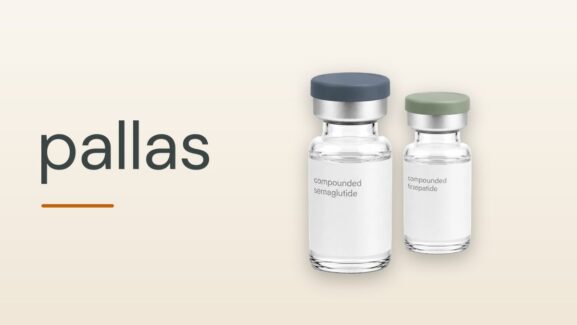
One clarification up front. Ozempic is a brand name semaglutide pen, and it is FDA approved for type 2 diabetes. The supervised low dose programs covered in this guide do not hand out Ozempic pens. They prescribe compounded semaglutide, the same active molecule, at doses a licensed provider sets and adjusts.
This guide is for the lifter who wants help with a cut and worries about muscle loss. You should not have to feel wrecked on a full dose to get there. Here is what a lower dose actually does, what it costs, and where to get a real protocol.
What Does Microdosing a GLP-1 Actually Mean?
Microdosing means staying well below the standard titration schedule. Semaglutide normally starts at 0.25 mg per week and climbs toward 1 mg or more. A microdoser might hold near that starting dose, or below it, indefinitely. The goal is a quieter version of the drug. You keep some appetite regulation with fewer digestive complaints and less of that flattened, food-is-boring effect.
This is now a measurably common behavior. Health research company Evidation surveyed more than 60,000 injectable GLP-1 users. Nearly 1 in 7 reported microdosing. The top reasons were managing side effects, saving money, and shifting into weight maintenance. More than a third of current microdosers were making dosing decisions entirely on their own. That last number is the problem, and it is where this trend goes wrong.
Microdosing is an off label pattern with thin evidence behind it. This guide takes that seriously rather than pretending otherwise.
Does Microdosing Ozempic Actually Work?
The strongest results people associate with GLP-1s come from full doses. In Cedars-Sinai’s review of the microdosing trend, obesity medicine director Dr. Amanda Velazquez is blunt. No evidence shows that low dose, intermittent use produces meaningful, sustained weight loss or broader health benefits.
Her colleague Dr. Jeremy Korman puts numbers on it. At very low doses, weight loss tends to land around 5 to 6 percent of body weight. Full FDA approved doses produce 15 to 20 percent in trials. So a microdose is not a cheat code. It is a weaker signal, and for some people it may do very little.
Context matters, though. For a 200 pound lifter wanting a controlled cut, 5 to 6 percent is 10 to 12 pounds. Some clinicians report that lower doses give certain patients enough appetite control to hold a deficit without misery. That is a plausible use case, not a proven one. Nobody can promise you those results, and anyone who does is selling something.
Why Do Doctors Warn Against DIY Microdosing?
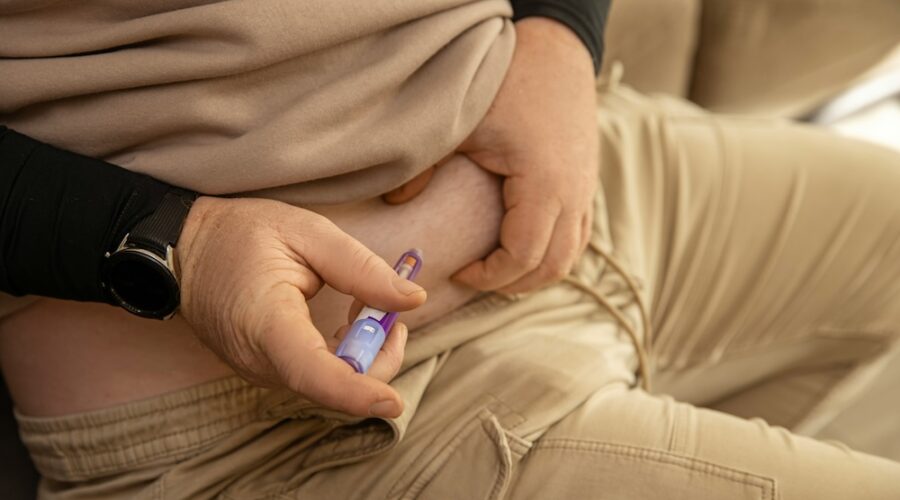
The warnings are not really about low doses. They are about how people get to them. The most common DIY method is counting the clicks on an Ozempic or Wegovy pen to eyeball a partial dose. Medical News Today’s review of the practice notes that Novo Nordisk, maker of both pens, discourages click counting. The method produces inaccurate and inconsistent doses. The pens were engineered to deliver fixed amounts. They were never designed to be split.
It gets worse from there. Drugs.com’s clinical answer on microdosing flags the downstream risks: dosing errors, contamination from stretched pens and mishandled vials, and injection site infections. U.S. News reports that the FDA has logged dosing errors with compounded GLP-1s. Some people took too much and ended up dehydrated, fainting, or in severe gastrointestinal distress.
The clinical establishment has taken a formal position. The American Association of Clinical Endocrinology does not support routine microdosing of GLP-1 medications and recommends sticking to FDA approved dosing. That position deserves weight. It is also aimed squarely at improvised, unsupervised microdosing, which is what most of the survey data describes.
The part the warnings leave out
Here is the gap in almost every article on this topic. A prescription drug does not have a DIY tier and a forbidden tier. It has an unsupervised tier and a supervised one. A licensed provider can legally start a patient low, keep them low, and adjust when needed. The dose comes measured, from a state licensed pharmacy, instead of estimated from pen clicks. If a lower dose interests you, that is the version worth pursuing. The rankings below cover who actually offers it.
Does a Lower Dose Protect Your Muscle?
Muscle loss is the objection that stops most lifters, and it is legitimate. A 2024 commentary in The Lancet Diabetes and Endocrinology estimates that 25 to 39 percent of GLP-1 weight loss can come from fat free mass. That includes muscle. The authors blame the sheer speed and size of the loss, more than the drug itself.
That detail cuts both ways for microdosing. A smaller dose driving slower, smaller loss should cost you less lean mass in absolute terms. But no trial has tested whether a microdose protects muscle, so treat that as a reasonable hypothesis rather than a finding.
What actually protects muscle on any GLP-1 dose is not the dose. It is the same two levers that built the muscle. Keep protein near 0.7 to 1 gram per pound of target body weight daily. Keep lifting heavy through the deficit. The Lancet authors call for exactly this pairing of the drugs with resistance training and adequate protein. If you already train, you are ahead of the average GLP-1 patient by a wide margin. Appetite suppression makes protein targets harder to hit. That is one more argument for the gentlest dose that still works.
Is Microdosing a GLP-1 Cheaper?
Cost is the second most common reason people microdose, per the Evidation data. The math people run: brand pens commonly list near or above 1,000 dollars a month before insurance. Stretching one pen across extra weeks feels like found money. But stretched pens sit in use far past their intended window, and doses become guesswork. The savings evaporate the first time a dosing error sends someone to urgent care.
Compounded semaglutide is the legitimate version of the same math. It prices a supervised low dose at a flat monthly rate. Programs in the table below run 139 to 179 dollars a month for semaglutide. You get the savings people chase with pen splitting, minus the guesswork. Our compounded GLP-1 cost guide breaks down what every major program charges at real doses.
Where Can You Get a Supervised Low-Dose Protocol?
Whatever program you pick, demand four things. A licensed prescriber must review your intake before anything ships. Medication must come from a state licensed U.S. pharmacy. Pricing must be published. And the program should offer an actual low dose protocol, not a shrugged okay to take less. That last one is rarer than it sounds. As U.S. News notes, there is no standard microdosing protocol across providers. Most compounded programs leave low dose plans improvised. The rankings below reflect that gap.
All three programs require an online medical evaluation before anything ships, and none bills insurance. Our pick for the supervised low-dose route:
This is the only program in the table built around a designed low dose track. It comes in oral or injection formats, with licensed providers adjusting the protocol. Most compounded programs never formalized one. Compounded semaglutide comes in 1, 3, 6, or 12 month bundles, from $139 a month on 12 month terms. Month to month runs $179 for the first month, then $279. One limit to know: it is compounded only, with no brand name pens. If you want the low dose route done properly, this is the pick.
Microdosing GLP-1s: Common Questions
Can you microdose with the Ozempic pen itself?
Not reliably, and the manufacturer discourages it. The pens deliver fixed doses, and click counting produces inconsistent amounts. Supervised low dose programs sidestep the pen entirely with compounded semaglutide in measured formats, including oral options. If needles are the sticking point, see our guide to oral and needle free GLP-1 options.
Is microdosing a GLP-1 safe long term?
Unknown. No long term safety data exists at microdoses. Known GLP-1 risks, including gallbladder disease and pancreatitis, do not disappear at lower amounts. That is the strongest argument for running any low dose plan through a provider who monitors you, rather than solo.
Does microdosing help with maintenance after you hit your goal?
Maintenance was the third most common reason for microdosing in the Evidation survey. Some clinicians report moving patients to lower doses after goal weight. It is a reasonable strategy with, again, thin trial evidence. Taper decisions change your relapse risk, so make them with your prescriber, not a forum.
The Bottom Line: Who Should Skip Microdosing?
Microdosing is the wrong tool for several groups, and it helps to be direct about them.
- You have type 2 diabetes or significant weight to lose. Full FDA approved dosing is where all the proven benefit lives. Work with your doctor; do not water down a drug that works.
- You were planning to split pens yourself. The dosing error and contamination risks are the one part of this topic every expert agrees on. Do not do it.
- You have a history of pancreatitis, medullary thyroid cancer, or MEN2, or you are pregnant or planning to be. GLP-1s need a physician conversation regardless of dose.
That leaves the reader this guide was written for: modest cut in mind, side effect averse, and willing to work through a licensed provider. For that person, a supervised low dose protocol is a defensible experiment. It has a clear exit if it does nothing. Counting pen clicks does not. If that is you, the full GLP-1 program comparison pairs well with the table above.