New Research Points to TMS and Ketamine as a Powerful Combination for Treatment Resistant Conditions
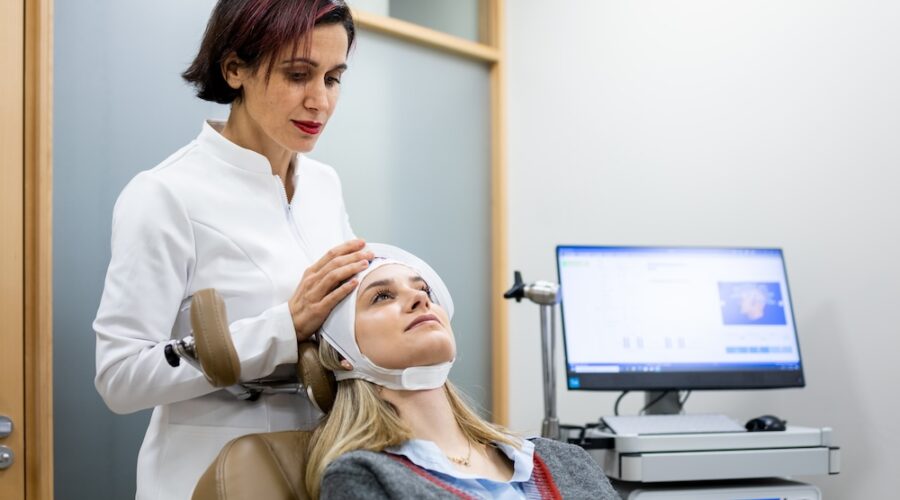
For patients who have tried everything and found no relief, a new approach offers genuine hope. Researchers are finding that combining transcranial magnetic stimulation with ketamine therapy produces better outcomes than either treatment alone. This dual approach targets depression, neuropathic pain and substance use disorder simultaneously.
New: Interested in Being Part of a Psychedelics-Focused Clinical Trial? Sign Up Here
| Key Takeaways |
|---|
| Combining TMS and ketamine delivers stronger results than either treatment alone |
| Three brain networks play central roles in depression, pain and addiction |
| TMS calms the salience network while ketamine quiets the default mode network |
| This office based approach works for patients who failed conventional treatments |
| Over 15 years of clinical evidence supports this combination therapy |
Looking for treatment? Find ketamine clinics closest to you as well as other psychedelic therapies in your area.
Understanding the Brain Networks Involved
The science behind this approach starts with brain networks. Three interconnected systems drive much of what goes wrong in these conditions.
The salience network coordinates emotional responses. When it becomes overactive, patients experience heightened pain and emotional reactivity. The default mode network controls self referential thinking. Overactivity here fuels rumination, depressive thoughts and cravings. The central executive network enables cognitive control over emotions and behavior. Reduced activity in this region appears in depression and impulsivity.
These networks do not operate in isolation. Problems in one affect the others.
How TMS and Ketamine Work Together
TMS targets the salience network directly. By recalibrating this system, it reduces pain sensitivity and emotional dysregulation. Ketamine takes a different path. It dampens overactivity in the default mode network and enhances neuroplasticity. This interrupts the cycles of negative thinking and addictive craving that trap so many patients.
Together, these treatments restore more normalized brain activity and connectivity. Clinical reports document dramatic recoveries in patients with severe depression, chronic pain and histories of relapse.
What This Means for Patients
This combination therapy represents a shift in how clinicians approach complex cases. Rather than treating depression, pain and addiction as separate problems, this method addresses the shared brain dysfunction underlying all three.
The approach works in standard office settings. It requires no hospitalization. For the millions who have exhausted conventional options, this integration of TMS and ketamine opens a new door. Future research may refine these protocols further and help clinicians identify which patients will benefit most.