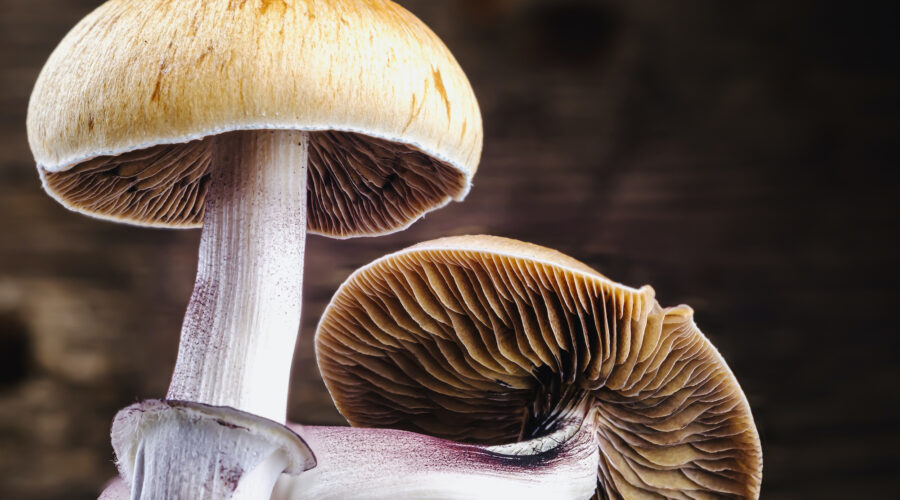
A Single Dose of Psilocybin May Leave Lasting Changes in the Brain
A single dose of psilocybin may do more than briefly alter perception. A new study suggests it may also leave measurable changes in the brain that last for weeks. For patients, clinicians, and researchers watching the future of psychedelic medicine, the finding adds another piece to a central question: how can one guided experience produce changes that seem to outlast the drug itself?
New: Get Pre-Screened for a Psychedelic Clinical Trial
| Key Takeaway | What It Means |
|---|---|
| One dose was linked to brain changes | Researchers found measurable anatomical changes after a 25 mg dose of psilocybin. |
| Changes lasted at least one month | Brain imaging showed differences weeks after the psychedelic effects had passed. |
| The study involved healthy volunteers | The results do not prove the same effects will occur in patients with depression or anxiety. |
| Brain entropy increased during the experience | The brain appeared to enter a more flexible and less rigid state. |
| More research is needed | The findings are promising, but still early. |
Looking for treatment? Find Spravato clinics (which is covered by insurance) and ketamine clinics closest to you as well as other psychedelic therapies in your area.
What The Study Found
Researchers studied 28 healthy adults who had never taken a psychedelic before. Participants first received a very low 1 mg dose of psilocybin. One month later, they received a 25 mg dose, which is strong enough to produce a full psychedelic experience.
The researchers used EEG, fMRI, and diffusion tensor imaging to study the brain before, during, and after dosing. During the acute experience, brain activity became more “entropic,” meaning it showed more variability and flexibility.
That matters because rigid brain patterns are often discussed in depression, addiction, and other mental health conditions. A more flexible brain state may help explain why some people report new emotional insight after psilocybin therapy.
Why Lasting Brain Changes Matter
The most striking finding came later. One month after the 25 mg dose, brain scans still showed anatomical changes. These appeared in white matter pathways, which help different parts of the brain communicate.
This does not mean psilocybin “rewires” the brain in a simple or guaranteed way. The brain is more complicated than that. But it does suggest that psilocybin may affect both short term brain activity and longer lasting brain structure.
For psychedelic assisted therapy, that distinction is important. The experience itself may open a window. Therapy, preparation, and integration may help determine what happens during that window.
What This Means For Patients
This study did not test psilocybin as a treatment for depression, PTSD, or addiction. It studied healthy volunteers. So the results should not be read as proof that one dose can treat a mental health condition.
Still, the research helps explain why psilocybin continues to draw serious clinical interest. If a single supervised dose can produce measurable brain changes for weeks, researchers have a clearer biological target to study.
For patients, the takeaway is not to seek psilocybin outside medical or legal settings. The takeaway is that the science is becoming more precise. Researchers are moving beyond symptom reports and looking at what changes in the brain itself.
The Bigger Picture
Psychedelic medicine is often described in emotional terms: insight, openness, connection, release. This study adds a physical layer to that story.
A psilocybin session may be brief. Its effects on the brain may not be. That is why the next phase of research will matter so much. Scientists still need larger studies, patient populations, and long term follow up.
For now, the finding supports a careful but meaningful idea: psilocybin may create a temporary period of brain flexibility, and that period may help explain its therapeutic potential.