Colorado Certifies First 51 Psilocybin Facilitators
Last reviewed and updated: June 25, 2026.
Key Takeaways
| Program launch | Colorado began certifying facilitators in 2024 with 51-person inaugural cohort; hundreds certified by mid-2025 |
| vs Oregon | Colorado allows personal possession (21+) + covers DMT/ibogaine/mescaline; Oregon: service center only, psilocybin only |
| Session cost | $500–$2,500 per session; not covered by insurance; significant access barrier |
| How to become a facilitator | Complete 80–150hr DORA-approved training program; apply for DORA Natural Medicine Division license; no therapist credential required |
| Legal status | State-legal for adults 21+; federal Schedule I unchanged; federal prosecution unlikely but theoretically possible |
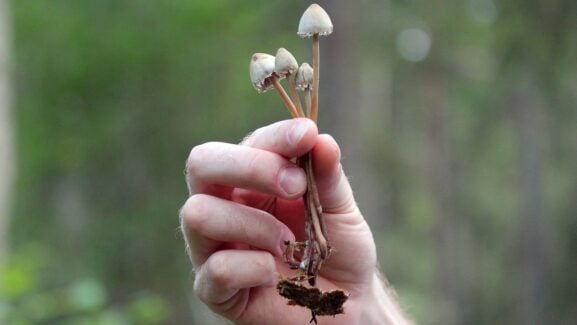
In a landmark development, Colorado has certified its inaugural cohort of 51 psilocybin facilitators. This marks a significant step in integrating psychedelic-assisted therapy into mainstream mental health treatment.
New: Interested in Being Part of a Psychedelics-Focused Clinical Trial? Sign Up Here
Historical Context and Legalization
The therapeutic use of psychedelics, particularly psilocybin, has been explored for conditions like PTSD, anxiety, and depression. Recent legislative changes in Colorado have legalized these treatments within supervised clinical settings. This shift reflects a growing acceptance of alternative therapies in mental health care.
Looking for treatment? Find ketamine clinics closest to you as well as other psychedelic therapies in your area.
Insights from a New Facilitator
Lisa Snyder, one of the recent graduates, emphasizes the importance of proper training in administering psilocybin therapy. She notes that while the concept of mushroom healing is ancient, its current application requires professional oversight. Snyder states, “It’s old medicine, but it’s in this iteration, it’s in its new state and I don’t agree with people who are not trained in any way, shape or form to be messing with people’s psyches.”
RELATED: The Cost of Becoming a Psilocybin Facilitator in Oregon
The Role of Trained Professionals
Snyder highlights the profound healing experiences reported by individuals undergoing psychedelic-assisted therapy. She underscores the necessity of licensed facilitators guiding these sessions due to the powerful effects of psychedelics. “It opens up the mind and it turns down the volume on this part of the brain that kind of protects and manages things and allows our brains to talk to different pieces that it doesn’t normally get a chance to have a conversation with,” Snyder explains.
Ensuring Accountability and Safety
The certification of facilitators by the Colorado Department of Regulatory Agencies (DORA) introduces a level of accountability previously absent in underground practices. Snyder believes that state oversight will enhance public confidence in these therapies. She remarks, “There’s no accountability in underground, community accountability. We don’t really know how far that goes, but accountability with the state is a completely different experience. And I think people are going to feel safer coming into this space, into the legal space, if they know that people can and will be accountable for their actions.”
Looking Ahead
With the certification of these facilitators, Colorado is poised to expand access to psychedelic-assisted therapy. As treatment centers begin operations across the state, the emphasis on trained professionals ensures that individuals seeking alternative mental health treatments can do so safely and effectively.
See also: — our psilocybin retreats guide.
See also: — our psilocybin retreats guide.
Colorado’s Psilocybin Program: From 51 to Hundreds of Facilitators — What’s Changed
When Colorado certified its inaugural cohort of 51 psilocybin facilitators in 2024, it marked the launch of the second legal supervised psilocybin program in the United States (after Oregon’s Measure 109). In the year that followed, the program has expanded significantly. By mid-2025, hundreds of facilitators have been certified through Healing Arts Institute and other approved training programs, and licensed service centers have begun operating across the state — primarily in Denver, Boulder, and mountain communities like Aspen and Telluride that attract wellness-oriented visitors.
Colorado vs. Oregon: key differences now that both are operational. Colorado’s framework (under Proposition 122, passed November 2022) is notably more permissive than Oregon’s. Colorado allows personal possession and home cultivation for adults 21+ of psilocybin, psilocin, dimethyltryptamine (DMT), ibogaine, and mescaline — in addition to supervised service center access. Oregon (Measure 109) covers psilocybin only, requires sessions at licensed facilities with licensed facilitators, and does not permit personal possession. Colorado’s natural medicine framework is the broader of the two, with a path to add additional compounds through regulatory review. This distinction has made Colorado a more attractive market for facilitators and service center operators — and for patients who want to access legal psilocybin without traveling to a licensed center.
What psilocybin-facilitated sessions look like in practice. A typical facilitated psilocybin session in Colorado involves preparation, the session itself (typically 4–8 hours as the psilocybin experience unfolds), and integration support. Service centers establish minimum standards for set and setting, screening for contraindications (psychiatric history, medications), and post-session support. Facilitated sessions are not therapy in the clinical sense — facilitators are not licensed therapists, though many therapists are pursuing facilitator certification as a complement to their clinical practice. Costs range from approximately $500–$2,500 per session depending on the service center, location, and level of preparation and integration support included.
The path to becoming a certified psilocybin facilitator in Colorado. Facilitator training programs must be approved by the Colorado Department of Regulatory Agencies (DORA). Training includes curriculum covering psilocybin pharmacology, ethics, safety protocols, facilitated session techniques, trauma-informed care, and supervised practicums. Programs typically run 80–150 hours over several months. The Healing Arts Institute and other DORA-approved programs offer the training. Facilitators are licensed by DORA’s Natural Medicine Division after completing approved training and passing background checks. As of 2025, Colorado has more licensed facilitators than Oregon and is processing new license applications on an ongoing basis.
Frequently Asked Questions
How do you become a psilocybin facilitator in Colorado?
Becoming a licensed psilocybin facilitator in Colorado requires completing an approved training program through a DORA (Colorado Department of Regulatory Agencies) -certified school, such as the Healing Arts Institute. Training programs cover pharmacology, ethics, trauma-informed facilitation, safety protocols, and include supervised practicums. Programs typically run 80–150 hours. After completing training, candidates apply for a facilitator license through DORA’s Natural Medicine Division, which includes a background check. There is no requirement to be a licensed therapist or healthcare provider — facilitation is a distinct licensed profession in Colorado. Renewal and continuing education requirements apply to maintain the license.
How much does a psilocybin session cost in Colorado?
Colorado psilocybin service center sessions typically range from $500 to $2,500 per session, depending on the service center, location, and what is included. Higher-cost sessions typically include more extensive preparation sessions, higher facilitator experience, and post-session integration support. Some practitioners offer multi-session packages. The cost is not covered by health insurance — psilocybin remains Schedule I federally and is not an FDA-approved therapy, so insurance plans do not cover it regardless of Colorado’s state legalization. Financing options are offered by some service centers. This out-of-pocket cost is a significant barrier to access, particularly compared to what insurance-covered Spravato or IV ketamine might cost for patients with coverage.
Is psilocybin legal for personal use in Colorado?
Yes, under Proposition 122 (passed November 2022), adults 21+ in Colorado may possess, use, and home-cultivate psilocybin and psilocin mushrooms without criminal penalty. This personal-use right does not require visiting a licensed service center. Colorado also extended this to DMT, ibogaine, and mescaline — making it one of the broadest natural psychedelic legalization frameworks in the world. Critically: this does not mean federal law changed. Psilocybin remains Schedule I federally. Colorado’s legalization protects against state charges only — the federal government could technically prosecute under federal law, though this is considered very unlikely in practice. It also does not legalize commercial sale of psilocybin outside the licensed service center framework.
How is Colorado’s psilocybin program different from Oregon’s?
Key differences: (1) Personal possession — Colorado allows it for adults 21+; Oregon does not; (2) Substances covered — Colorado includes psilocybin, DMT, ibogaine, and mescaline; Oregon covers only psilocybin; (3) Program launch — Oregon began accepting service center license applications in 2023; Colorado began facilitator licensing in 2024; (4) Therapy-centeredness — Oregon’s program was designed with more clinical/therapeutic framing; Colorado’s framework is broader and includes wellness and personal exploration uses; (5) Facilitator training — both require approved training programs; specifics differ. Both states protect against state-level prosecution; neither changes federal Schedule I status.