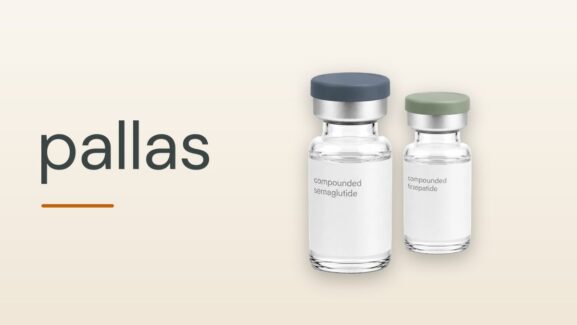
GLP-1s Got You Here — Now What? The Next Frontier of Peptide Wellness
Ozempic and Wegovy did something unprecedented. They brought peptide therapy into everyday conversation. Millions of people learned — often without realizing it — that a weekly injection of a small protein fragment could produce results that decades of diet culture could not. Now those same patients are asking a natural next question. If one peptide can do all that, what else is possible? The answer is more than most people expect.
Interested in peptide therapy? Find vetted peptide therapy clinics near you.
| Key Takeaway | What It Means |
|---|---|
| GLP-1s created a peptide-curious public | Mass adoption of semaglutide opened the door to broader peptide awareness |
| The peptide landscape extends far beyond weight loss | Tissue repair, cognition, mood, and longevity are all active areas of research |
| Mental health is a major frontier | Peptides like Semax and Selank show promise for mood, anxiety, and neuroplasticity |
| Ketamine patients are strong candidates | The neuroplasticity window after ketamine may be supported by specific peptide protocols |
| Provider selection is critical | Look for experience with compounded therapies, not just telehealth convenience |
The GLP-1 Effect on Public Perception
GLP-1 receptor agonists were not new when Ozempic became a household name. The FDA approved semaglutide after years of clinical research. Researchers had studied them for years. What changed was visibility. When the mainstream media normalized weekly peptide injections for metabolic health, the category suddenly had a mass audience.
That audience is now curious. Patients on semaglutide are asking their doctors about BPC-157. People who would never have considered injectables two years ago are reading about NAD+ therapy. The GLP-1 wave has created a generation of peptide-curious patients.
Doctor-prescribed GLP-1s — delivered to your home
Get doctor-prescribed GLP-1s shipped straight to your door — no insurance needed, from $199/mo.
SkinnyRx pairs prescription GLP-1 medication with clinician-guided care: compounded semaglutide from $199/mo, or tirzepatide from $299/mo as a once-weekly injection or once-daily tablet. Online assessment, licensed provider review, free shipping, cancel anytime — FSA/HSA eligible.
Check If I Qualify →Provider consultation required. HealingMaps may earn a commission through this link — it doesn’t change your price. Compounded medications are not FDA-approved finished products; eligibility is determined by SkinnyRx’s licensed providers. 90-day money-back guarantee per SkinnyRx terms.
Beyond Weight Loss: What Other Peptides Do
The GLP-1 category focuses primarily on metabolic function — insulin regulation, appetite suppression, and weight management. The broader peptide landscape does much more.
Tissue repair peptides like BPC-157 and TB-500 accelerate healing of tendons, muscles, and the gut lining. Cognitive peptides like Semax and Selank, originally developed in Russian neurology research, show promise for mood regulation, anxiety reduction, and mental clarity. Growth hormone secretagogues like Ipamorelin and CJC 1295 stimulate natural growth hormone release without introducing synthetic hormones directly. Each category works through different receptors and biological pathways.
The Longevity Connection
One of the fastest growing areas of peptide research involves aging and cellular health. NAD+ precursors, Epithalon, and thymic peptides have all attracted serious interest from researchers studying biological aging. The premise is not immortality. It is compression of morbidity — staying healthier longer before decline begins.
This framing resonates strongly with the same demographic that embraced GLP-1s. People who invested in metabolic health are now asking about the next layer of optimization. Peptide longevity protocols are one serious answer practitioners are exploring.
Mental Health Applications
This is where peptide therapy intersects directly with the integrative mental health world. Several peptides show meaningful promise for neurological and psychiatric applications.
Semax has been studied for its nootropic and anxiolytic effects. It appears to increase brain-derived neurotrophic factor, a key molecule in neuroplasticity. Selank has shown effects on anxiety and stress regulation. For patients who have completed a ketamine treatment series and are looking for maintenance support, certain peptide protocols may offer a complementary tool for sustaining neuroplasticity and mood stability. Research into combined treatment approaches for treatment resistant conditions supports this direction.
How to Know If You Are a Candidate
Peptide therapy is not one-size-fits-all. The right starting point depends on the patient’s goals. Someone dealing with a chronic injury has different needs than someone focused on cognitive performance or metabolic health.
A thorough intake with a qualified provider should include current health status, medications, and specific goals. Bloodwork is often useful before starting protocols that affect hormonal or metabolic systems. The more precise the goal, the more targeted the protocol can be.
Finding a Qualified Provider
The GLP-1 boom created a market of telehealth providers willing to prescribe semaglutide with minimal evaluation. That model produced real problems with oversight and patient safety. The peptide space should not repeat that pattern.
Patients should seek providers with specific experience in peptide therapy. Ketamine clinics, functional medicine practices, and integrative health centers are often well positioned. They operate in a cash pay model, have experience with complex compounded therapies, and prioritize patient monitoring over volume.
Doctor-prescribed GLP-1s — delivered to your home
Get doctor-prescribed GLP-1s shipped straight to your door — no insurance needed, from $199/mo.
SkinnyRx pairs prescription GLP-1 medication with clinician-guided care: compounded semaglutide from $199/mo, or tirzepatide from $299/mo as a once-weekly injection or once-daily tablet. Online assessment, licensed provider review, free shipping, cancel anytime — FSA/HSA eligible.
Check If I Qualify →Provider consultation required. HealingMaps may earn a commission through this link — it doesn’t change your price. Compounded medications are not FDA-approved finished products; eligibility is determined by SkinnyRx’s licensed providers. 90-day money-back guarantee per SkinnyRx terms.
The Bottom Line
GLP-1s opened the door. The rest of the peptide landscape is waiting on the other side. For patients already committed to proactive health, the next step is straightforward. Find a qualified provider, define specific goals, and start a conversation about which peptide protocols make sense for where you are in your health journey.
Ready to compare actual providers? We’ve vetted four GLP-1 telehealth programs on price, refund policies, and pharmacy quality — see our 2026 GLP-1 telehealth programs comparison for the side-by-side.