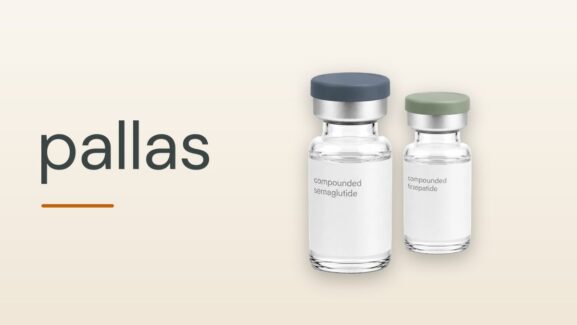
Why Ketamine Clinics Are Perfectly Positioned to Add Peptide Therapy
Ketamine clinics occupy a unique position in American medicine. They operate outside the insurance system, attract patients committed to investing in their health, and already deliver complex injectable and infusion therapies. Those characteristics describe the ideal environment for peptide therapy. The overlap is not coincidental. It is structural.
Interested in peptide therapy? Find vetted peptide therapy clinics near you.
| Key Takeaway | What It Means |
|---|---|
| Infrastructure already exists | Injection protocols, compounded pharmaceutical workflows, and monitoring staff are already in place |
| Ketamine patients are ideal peptide candidates | Cash pay willingness, health investment mindset, and trust in the practice are already established |
| Neuroplasticity is the clinical bridge | Peptides like Semax and NAD+ may support and extend the neuroplasticity window created by ketamine |
| Recurring revenue opportunity | Monthly peptide protocols create ongoing patient engagement between ketamine series |
| Regulatory due diligence is essential | Source from licensed 503A or 503B pharmacies and stay current on FDA guidance |
The Shared Infrastructure
Most ketamine clinics already have what peptide therapy requires. Infusion suites and injection protocols are standard. Staff trained in monitoring patients through novel therapies is in place. The clinical workflow for receiving, storing, and administering compounded pharmaceuticals already exists.
Adding a peptide service does not require significant infrastructure investment. It requires staff training, updated intake procedures, relationships with licensed compounding pharmacies, and a clear clinical protocol. For practices already running smooth ketamine operations, these additions are manageable.
The Patient Alignment
Ketamine patients are not average patients. They have opted out of the insurance-driven model. They have accepted a level of clinical novelty in pursuit of meaningful results. They are often highly educated about their own health and motivated to explore additional tools.
These characteristics describe the ideal peptide patient as well. Cash pay willingness, interest in emerging therapies, and a relationship with a trusted clinical team all make the conversation straightforward. Patients who have benefited from ketamine are often already asking what else the practice can offer.
The Neuroplasticity Bridge
The strongest clinical argument for pairing ketamine with peptides is neuroplasticity. Ketamine works in part by promoting rapid synaptogenesis — the growth of new neural connections. Research supports a critical window after treatment during which the brain is especially receptive to growth and change.
Certain peptides may extend or support that window. Semax has been studied for its ability to increase brain-derived neurotrophic factor, a key molecule in neuroplasticity. NAD+ therapy supports the mitochondrial function that underlies neural repair. BPC-157 has shown neuroprotective effects in animal models. The clinical rationale for a combined protocol is legitimate and worth exploring with each patient.
Revenue and Retention
The business case is straightforward. Peptide protocols can be offered as standalone services or bundled with maintenance ketamine programs. Monthly or quarterly protocols create recurring revenue in a model that often relies on episodic treatment cycles.
Retention is the larger opportunity. A patient engaged in an ongoing peptide protocol maintains regular contact with the practice. That contact creates natural touchpoints for discussing mental health maintenance, the next ketamine series, or other integrative services. The relationship stays active between treatment series. Pricing benchmarks vary by market, but peptide protocols typically range from $200 to $800 per month depending on compounds and administration frequency.
The Regulatory Considerations
Peptide therapy through compounding pharmacies is legal with a valid prescription from a licensed provider. The FDA outlines compounding pharmacy requirements under Section 503B from a licensed provider. Clinic operators should understand the current FDA status of specific compounds before adding them to a service menu.
The FDA has issued guidance letters regarding certain peptide compounds in recent years. Staying current on FDA guidance is essential. Sourcing exclusively from licensed 503A or 503B pharmacies provides the strongest compliance footing. Legal counsel familiar with compounding pharmacy regulation is a worthwhile investment before launching a peptide service. The stakes of getting marketing language right are rising as well, as the FDA’s compounded drug crackdown shows.
Getting Started: Four Steps
The practical path forward is clear. First, establish a relationship with one or two licensed compounding pharmacies with strong peptide programs. Second, identify two or three protocols most aligned with the existing patient population — a healing and recovery protocol, a cognitive and mood protocol, and a general optimization protocol cover most use cases. Third, develop intake and consent documentation specific to peptide therapy. Fourth, train clinical staff on administration, monitoring, and patient education.
The practices that move early into peptide therapy, much like those that were early to add Spravato, will have a head start on building expertise and patient outcomes data. That expertise will become a competitive differentiator as the category matures.
The Bottom Line
Peptide therapy is not a distraction from the core ketamine mission. For the right practices, it is an extension of it. The patients, the infrastructure, and the clinical rationale all align. The practices that recognize that alignment now will be well positioned when peptide therapy becomes a standard component of integrative mental health care.
Frequently Asked Questions
Why are ketamine clinics adding peptide therapy?
Peptide therapy expands a clinics revenue without requiring new specialty training for staff. Existing infrastructure (injection supplies, lab work partnerships, patient monitoring) transfers directly. Patients already in a ketamine clinic often have overlap with peptide interest, particularly for weight loss, recovery, and anti aging goals.
How much revenue does peptide therapy add to a ketamine clinic?
Clinics report $30,000 to $100,000 in additional monthly revenue after adding peptide therapy, depending on patient volume and peptide menu breadth. Semaglutide alone can drive significant revenue due to strong demand for weight loss. GLP-1 offerings have the highest single peptide revenue potential.
What peptides should a ketamine clinic offer?
Start with high demand peptides like semaglutide and tirzepatide for weight loss. Add BPC-157 and TB-500 for injury recovery patients. CJC-1295 Ipamorelin and Sermorelin cover anti aging demand. Thymosin Alpha-1 serves immune support. Sexual health peptides like PT-141 round out a comprehensive menu.
Find verified providers in our BPC-157 & recovery peptide clinic directory.
Do I need a new license to offer peptide therapy?
In most states, the same physician or nurse practitioner license that allows ketamine prescribing also permits peptide prescribing. Clinics do need to establish relationships with a 503A or 503B licensed compounding pharmacy for peptide sourcing. No additional DEA licensure is required for non controlled peptides.