
Mushrooms Go Hand-in-Hand With Somatic Therapy
Last reviewed and updated: July 4, 2026.
Key Takeaways
| Body-based modalities | Internal Family Systems (IFS), Somatic Experiencing (SE), and EMDR are the therapeutic modalities most commonly paired with psilocybin in clinical settings |
| Facilitator training | Oregon and Colorado’s licensing programs for psilocybin facilitators increasingly include somatic training components — recognizing the body-centered nature of psychedelic experiences |
| Neurobiological overlap | Psilocybin promotes neuroplasticity and reduces default mode network rigidity — the same mechanisms targeted by somatic therapies for trauma |
| Integration focus | Somatic therapy practitioners are becoming psilocybin facilitators at higher rates than other mental health professions, drawn to the modalities’ shared body-forward philosophy |
| Session design | Sessions that incorporate somatic awareness practices (breathwork, body scanning, movement) before and during psilocybin experiences show improved integration outcomes in preliminary research |
This post was written by Andrew Tansil of Sayulita Wellness, a premiere wellness retreat located in Mexico.
The body is a temple. Psychedelics may hold the key.
Somatic therapy has long been the treatment of choice for PTSD sufferers. This is a matter of working with the body alongside the mind. And, according to recent findings, psilocybin can assist, strengthen and improve favorable outcomes.
Psilocybin can assist people in overcoming a variety of emotional and psychological difficulties. Including anxiety, depression, and PTSD, when used in controlled doses under the supervision of a qualified therapist.
Somatic therapy concentrates on the relationship between the mind and body. It teaches people how to pay attention to their bodily feelings and how to use them to analyze their emotional experiences. Those who suffer can benefit greatly from this kind of therapy.
RELATED: Here’s How Long it Takes for Magic Mushrooms to Kick In
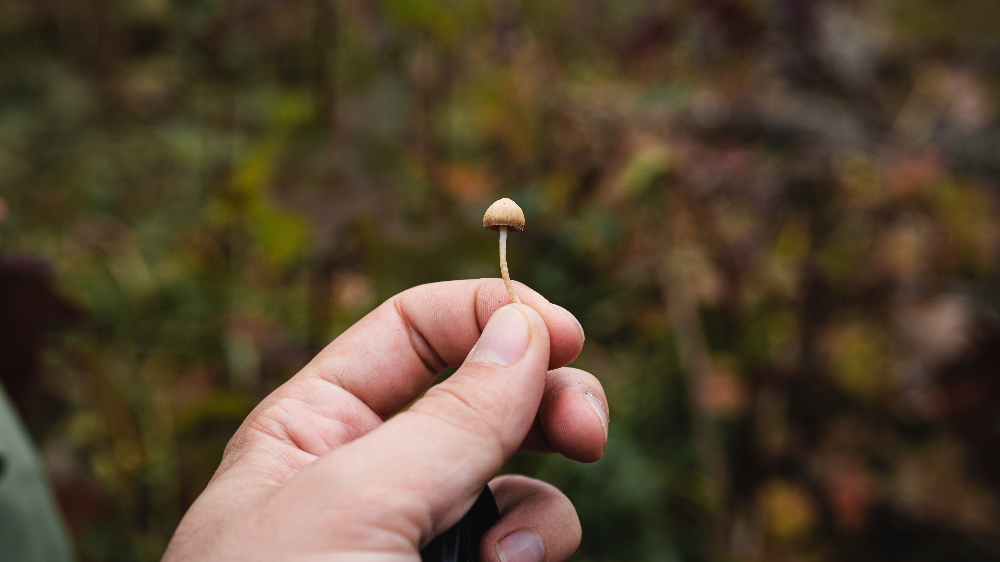
Mushrooms Can Amplify Somatic Therapy
Combining psilocybin with somatic therapy can enhance the therapeutic experience and lead to more profound healing. Psilocybin has been shown to increase connectivity in the brain, allowing individuals to make new connections and gain fresh perspectives on old problems. This increased connectivity can also improve communication between the mind and body, making it easier to access and process emotions.
RELATED: Shrooms Dosage: Chart, Calculator & How-To Guide
One of the most significant benefits of somatic therapy with psilocybin is that it can help individuals feel more grounded and connected to their bodies. Many people who struggle with anxiety or trauma may feel disconnected from their physical sensations and find it challenging to identify and manage their emotions. Somatic therapy can help individuals reestablish that connection and learn to use their physical sensations as a tool for emotional regulation.
Psilocybin can also help individuals let go of negative thought patterns and beliefs that may be holding them back. Through somatic therapy, individuals can identify and challenge these patterns and learn to replace them with more positive and constructive ways of thinking.
RELATED: Soma-Delics — How Psychedelics Can Heal the Body
‘Close Out Your Life on a High’
At Sayulita Wellness Retreat in Mexico, we use psilocybin therapy, among many other psychedelic practices, with the purpose of clearing the mind, restoring the nervous system, and promoting both emotional and physical wellbeing.
Sayulita Wellness Retreat consists of a total staff of 15 professionals who have provided over 4,324 successful psychedelic treatments, along with massage therapy, hypnotherapy, physical detox, breathwork and meditation practices, and have helped patients overcome addiction, as well as depression, anxiety, stress, overwhelm, and fatigue.
Our visitors testify to the effectiveness of our approach
“If you’re carrying any baggage that’s weighing you down, this is a fantastic opportunity to close out your life on a high,” says 74-year-old retired coach Alfred G., who had a previous alcohol addiction.
READ NEXT: Ayahuasca Helped Find Lost Amazonian Children. Can Psychedelics Really Give You Superpowers?
“… the mushrooms were pretty eye-opening…” says Jolie S. who struggled with drug and alcohol addiction. “I saw my path laid in front of me, confronted relationships with my family and relationships from my past. Some of it was difficult, but I felt really connected to myself, and so it just kind of melted… I never felt so alive.
Jolie continued, “I experienced what I would call a transcendent awaken where I saw the pieces of myself come back together. It was really special. I feel forever. Grateful for the practitioners for holding a safe and supportive space..”
Somatic therapy with psilocybin is not a one-size-fits-all approach, and it is not suitable for everyone. It is important to work with a trained therapist who can help guide you through the process and ensure that it is safe and effective for you.
RELATED: Mushroom-Testing Labs Find Huge Differences in Psilocybin and Other Compounds

READ NEXT: B+ Mushrooms: Psilocybin that’s Not a Quite a Perfect Score, Yet Never a Fail
2026 Update
The marriage of psilocybin and somatic therapy may not be intuitive — one is a pharmacological compound, the other a body-centered psychological modality — but clinicians working in both fields describe a natural alignment. Psilocybin’s disruption of the default mode network — the brain’s narrative self-referential system — creates a window where the body’s stored trauma patterns become accessible in ways that talk therapy alone often cannot reach. Internal Family Systems (IFS) practitioners in particular have embraced psilocybin-assisted work, with several prominent IFS trainers now incorporating psychedelic-assisted protocols into their advanced programs.
Oregon and Colorado’s regulatory frameworks have codified this integration: both states require psilocybin facilitators to complete preparation and integration training that draws heavily on somatic and trauma-informed approaches. Somatic Experiencing practitioners and EMDR therapists are licensing as psilocybin facilitators at high rates, seeing the modalities as complementary rather than competing. The 2025 research on polyvagal theory and psychedelics provided a neurobiological framework for why this works: psilocybin appears to shift the nervous system out of defensive states (sympathetic/dorsal vagal) and into the ventral vagal state associated with social engagement and healing — the same target as somatic therapies.
Frequently Asked Questions
- What is somatic therapy and why does it pair well with psilocybin?
- Somatic therapy addresses trauma and emotional distress through the body — using techniques like body scanning, titration, and pendulation to help the nervous system process stored experiences. Psilocybin disrupts the default mode network (the brain’s self-referential narrative system) and promotes neuroplasticity, creating a window where body-based processing becomes more accessible. Clinicians describe the combination as addressing trauma at both cognitive and somatic levels simultaneously.
- What therapeutic modalities are most commonly paired with psilocybin?
- Internal Family Systems (IFS), Somatic Experiencing (SE), EMDR, and trauma-focused CBT are the most common pairings in clinical psilocybin programs. Oregon and Colorado’s facilitator training programs include elements of all of these. The choice of modality often depends on the facilitator’s background and the specific nature of the patient’s condition.
- Do I need a therapist during my psilocybin session?
- In Oregon and Colorado’s licensed programs, a trained facilitator must be present during your session — but they are not required to be a licensed therapist. In clinical trial settings, sessions are co-facilitated by a therapist and a co-therapist or guide. Many practitioners advocate for a therapist’s presence to support integration, but the licensed framework allows for facilitators with somatic, wellness, or guide training rather than clinical licenses.
- How does psilocybin work with trauma specifically?
- Psilocybin appears to reduce activity in the default mode network — the brain’s self-referential narrative system — while simultaneously increasing connectivity across brain regions. This may explain the ‘reset’ quality many users report. For trauma specifically, this neurological shift may allow traumatic memories to be processed without the threat response that normally prevents integration. Combined with somatic therapy techniques that address the body’s held patterns, psilocybin-assisted trauma work shows promising outcomes in preliminary clinical data.
RELATED READING: What is Ketamine Therapy? | Psilocybin Therapy Guide | Psychedelic Therapy Overview