The Complete Guide to Magic Mushrooms Found in North America
North America hosts an incredible diversity of psilocybin-containing mushrooms. From the Pacific Northwest’s towering forests to the humid grasslands of the Southeast, dozens of psychoactive species thrive across the continent. Understanding these remarkable fungi opens doors to deeper appreciation of both their ecological roles and therapeutic potential.
Looking for treatment? Find ketamine clinics closest to you as well as other psychedelic therapies in your area.
| Key Takeaway | Details |
| Species Diversity | Over 40 psilocybin-containing species grow naturally across North America |
| Regional Hotspots | Pacific Northwest, Southeast coastal regions, and Great Lakes area |
| Peak Season | Fall months (September-December) offer optimal foraging conditions |
| Potency Range | Varies dramatically from 0.1% to 2.0% psilocybin content by dry weight |
| Legal Status | Federally illegal, though some municipalities have decriminalized possession |
| Safety Note | Professional identification essential due to deadly lookalikes |
RELATED: Shrooms Dosage: Our Strain Chart, Calculator & How-To Guide
Pacific Northwest: The Mushroom Capital
The Pacific Northwest stands as North America’s premier region for psilocybin mushrooms. Cool, moist conditions create perfect environments for multiple species to flourish.
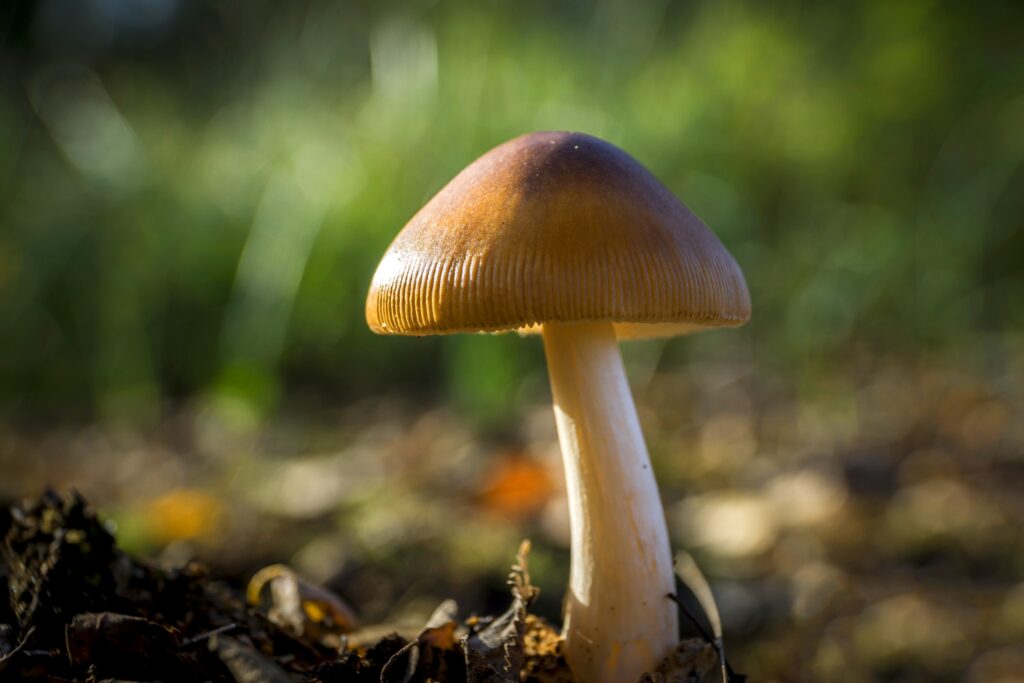
Psilocybe azurescens dominates this landscape. Known as “flying saucers,” these mushrooms pack extraordinary potency. Studies document psilocybin concentrations reaching 1.78 percent in dried specimens. They grow in coastal areas, with their natural range concentrated along the northern Oregon coast, and to a lesser extent in Washington and California. You’ll find them fruiting on wood debris, particularly alder and oak.
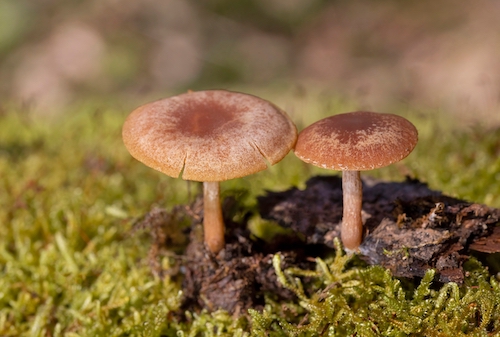
Psilocybe cyanescens earns its nickname “wavy caps” from distinctive undulating cap margins. These wood-loving mushrooms spread rapidly through urban areas via mulch. Their potency averages 0.85 percent psilocybin. Seattle and Portland residents often discover patches in city parks and residential gardens.
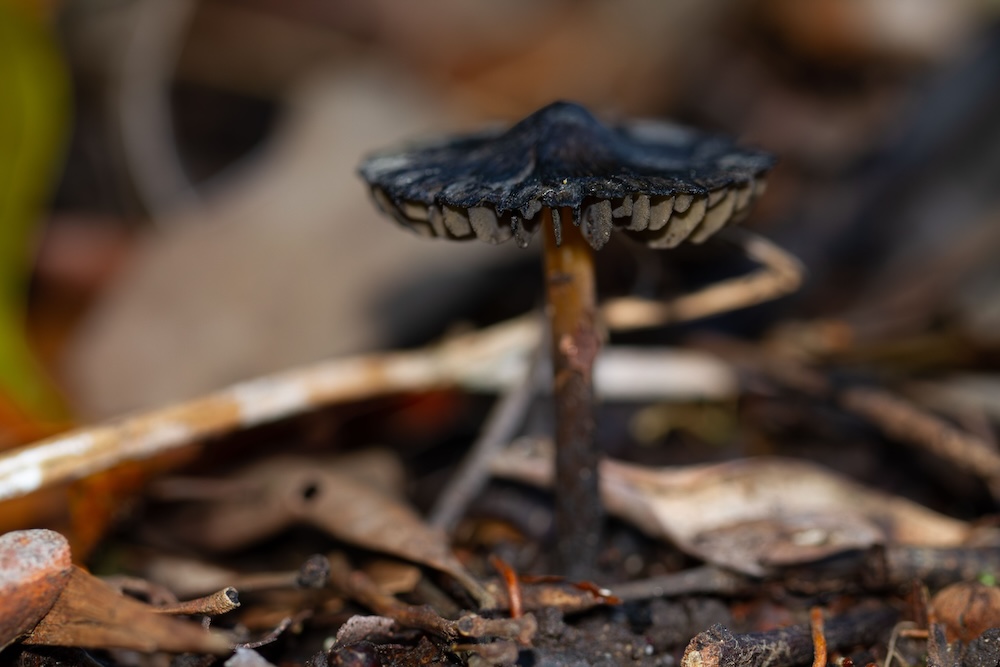
Psilocybe baeocystis completes the Pacific Northwest trinity. Called “bottle caps,” “blue bells,” or “knobby tops” for their small, brownish appearance, they grow in diverse habitats. Wood chips, bark mulch, and forest floors all support healthy populations. Potency ranges from 0.59 to 0.85 percent psilocybin.
Southeast Treasures: Heat and Humidity Specialists
The Southeast’s warm, humid climate nurtures different psilocybin species. These mushrooms adapt to intense summer heat and seasonal flooding.
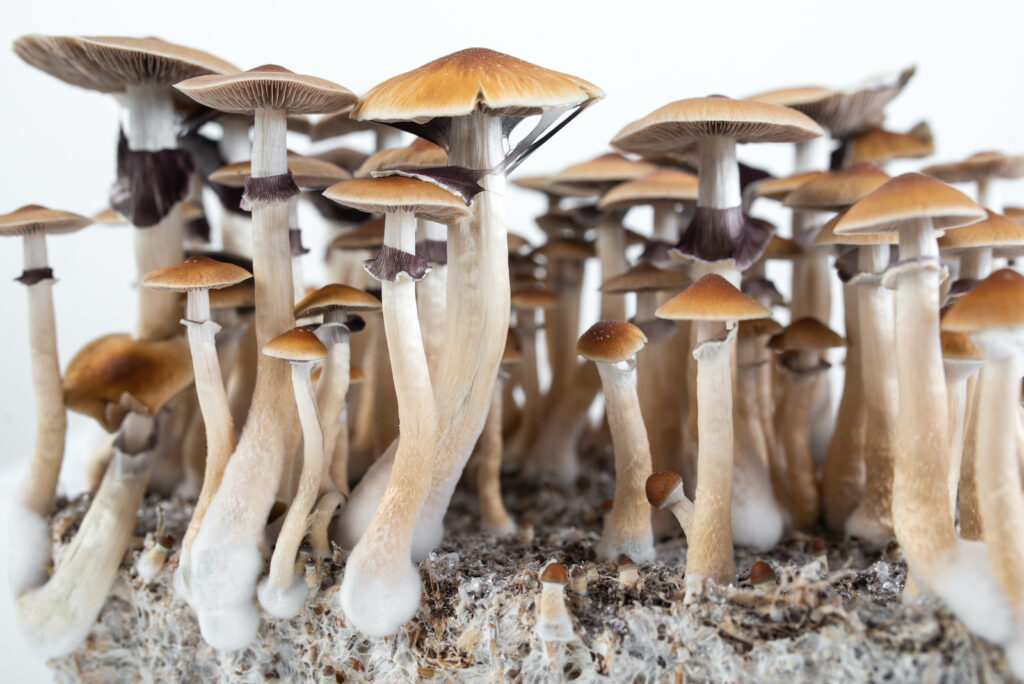
Psilocybe cubensis represents the region’s most recognizable species. These “golden caps” grow abundantly in cow pastures across Florida, Georgia, and the Gulf Coast. While naturally occurring populations contain modest psilocybin levels, their potency is highly variable depending on the strain. Their reliability and ease of cultivation made them globally famous.
Psilocybe ovoideocystidiata emerges as an eastern specialty. Discovered relatively recently in Pennsylvania, this species now appears throughout the Ohio River Valley. It fruits on hardwood debris during cool spring months. Potency studies remain limited, but anecdotal reports suggest moderate strength.
Eastern Forests: Wood and Soil Champions
The Eastern United States supports several unique psilocybin species adapted to a variety of habitats.
Psilocybe caerulescens grows in mixed hardwood forests in the southeastern United States. These mushrooms prefer rich, organic soils beneath mature trees. Their blue-bruising stems signal moderate psilocybin content. Local populations often fruit during brief autumn windows.
Panaeolus cinctulus spans broader territory than most psilocybin species. Known as “banded mottlegill,” these small mushrooms appear in grassy areas throughout temperate North America. They grow on dung and enriched soils from coast to coast. Potency varies significantly between collections.
Grassland Species: Prairie Psychedelics
North America’s vast grasslands host specialized psilocybin mushrooms that thrive in open environments.
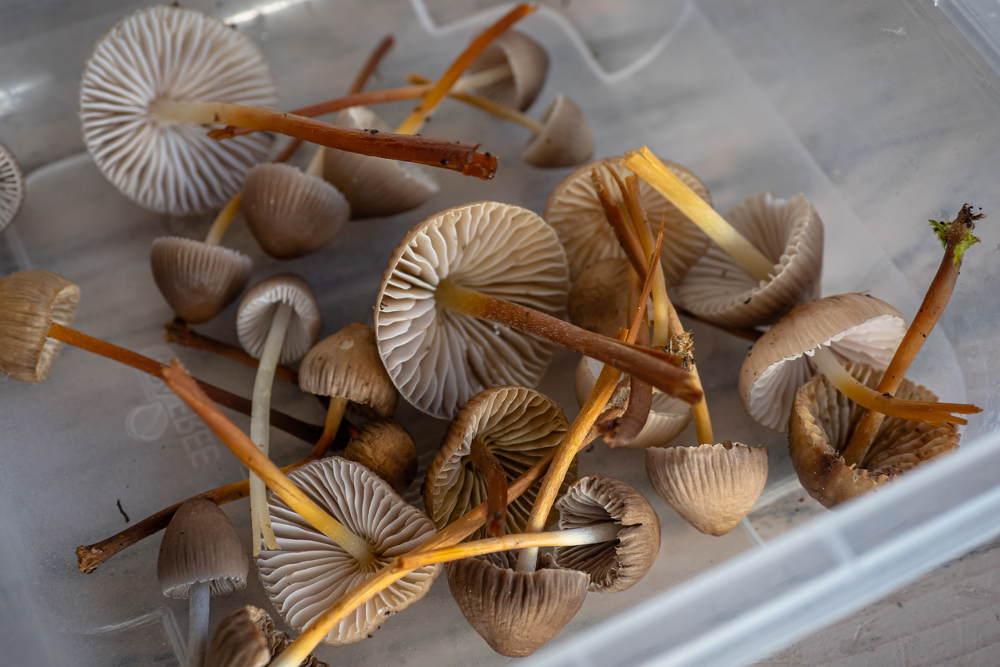
Psilocybe semilanceata stands as a prominent species in North America’s northern regions. These “liberty caps” grow in sheep and cattle pastures across areas like the Pacific Northwest and parts of Canada. Their pointed caps and slender stems create distinctive silhouettes. European populations often exceed 1 percent psilocybin content, though North American specimens show lower concentrations.
RELATED: What Are Liberty Caps – One Of The Most Potent Magic Mushrooms
Gymnopilus spectabilis creates massive clusters on decaying hardwood stumps. These orange-colored mushrooms can contain psychoactive compounds, but their potency is inconsistent and the active compounds are not always psilocybin. They fruit from late summer through fall across temperate regions.
Desert Adaptations: Arid Zone Specialists
Even North America’s arid regions support unique psilocybin species adapted to extreme conditions.
Psilocybe tampanensis originally came from Florida sandy soils. Though rare in nature, this species produces underground masses called sclerotia. These “philosopher’s stones” concentrate psilocybin and survive harsh conditions. Cultivation keeps this genetics available despite habitat loss.
Several Panaeolus species colonize desert grasslands of the Southwest. These heat-tolerant mushrooms fruit during brief rainy seasons. Their potency and distribution patterns remain poorly documented due to challenging collection conditions.
RELATED: This is The World’s Most Powerful Mushroom
Mountain Forests: High Altitude Varieties
Mountain forests across North America harbor lesser-known psilocybin species adapted to elevation and seasonal extremes.
Psilocybe montana grows in coniferous forests at moderate elevations. These small, brown mushrooms appear on rotting wood during summer months. Their scattered distribution makes encounters uncommon, though dedicated foragers locate productive sites.
RELATED: We Just Discovered a New Magic Mushroom Species
Seasonal Patterns and Timing
Understanding seasonal rhythms proves crucial for locating North American psilocybin mushrooms. Most species follow predictable fruiting patterns linked to temperature and moisture cycles.
Fall dominance characterizes the continent’s psilocybin mushroom activity. September through December provides optimal conditions across most regions. Cooling temperatures combined with autumn rains trigger massive fruiting events.
Spring emergence occurs in certain regions and species. The Southeast experiences early season activity as temperatures warm. Wood-loving species often fruit during spring moisture cycles before summer heat arrives.
Summer patterns vary dramatically by region. Northern areas see continued activity during cool, wet periods. Southern regions experience dormancy until fall rains return.
Identification Challenges and Safety
North American psilocybin mushrooms present serious identification challenges. Many dangerous species closely resemble psychoactive varieties.
Galerina species pose the greatest threat to mushroom hunters. These small, brown mushrooms contain deadly amatoxins identical to those in death cap mushrooms. They frequently grow alongside legitimate psilocybin species on wood substrates.
Cortinarius species create additional confusion. Some varieties closely mimic psilocybin mushrooms in appearance and habitat. While not immediately lethal, they cause severe kidney damage over weeks or months.
Professional identification becomes essential for safety. Even experienced foragers use microscopic examination and chemical tests to confirm species identity. No visual characteristics alone guarantee safe consumption.
Regional Legal Landscape
Psilocybin mushroom legality varies significantly across North America. Federal prohibition covers all species, but local enforcement patterns differ dramatically.
Decriminalization movements gain momentum in major cities. Denver, Oakland, and Seattle lead efforts to reduce penalties for personal possession. These changes don’t legalize mushrooms but decrease arrest likelihood.
Medical research expansion creates new legal pathways. FDA-approved studies now operate in multiple states. Participants gain legal access through clinical trial enrollment.
Indigenous rights receive growing recognition. Several tribes assert traditional use rights for psilocybin mushrooms. Legal challenges continue working through federal courts.
Ecological Roles and Conservation
North American psilocybin mushrooms serve critical ecological functions beyond their psychoactive properties. Understanding these roles helps protect vulnerable species and habitats.
Decomposer functions drive forest health across the continent. Wood-loving species like Psilocybe cyanescens break down dead trees and branches. This process recycles nutrients and prevents disease accumulation.
Habitat specialists indicate ecosystem health. Many psilocybin species appear only in pristine environments. Their presence signals intact ecological processes and biodiversity.
Urban adaptations demonstrate remarkable flexibility. Several species colonize city environments through mulch and landscaping. This adaptability helps species survive habitat loss but creates new identification challenges.
Cultivation and Domestication
North American psilocybin mushroom cultivation has evolved dramatically over recent decades. Wild species increasingly face domestication pressure as demand grows.
Genetic preservation efforts focus on maintaining wild characteristics. Spore libraries document natural populations before habitat changes occur. These collections preserve genetic diversity for future research and conservation.
Indoor growing systems eliminate seasonal limitations and geographic restrictions. Climate-controlled environments produce consistent harvests year-round. This technology reduces pressure on wild populations while meeting research demands.
Strain development creates varieties optimized for specific purposes. Potency breeding produces mushrooms with enhanced psilocybin content. Stability selection ensures consistent characteristics across generations.
Research Applications and Therapeutic Potential
North American psilocybin mushrooms drive groundbreaking medical research across the continent. Multiple universities now operate FDA-approved treatment studies.
Depression treatment protocols show remarkable success rates. Johns Hopkins University demonstrates sustained improvements in treatment-resistant cases. Single sessions produce benefits lasting months or years.
PTSD therapy applications expand through military and civilian programs. Veterans Affairs hospitals begin pilot studies using psilocybin-assisted psychotherapy. Early results suggest significant trauma symptom reductions.
Addiction recovery programs incorporate psilocybin treatment protocols. Studies target alcohol, nicotine, and opioid dependencies. Success rates exceed traditional treatment approaches in many cases.
Future Prospects and Challenges
North American psilocybin mushroom research and access face complex challenges ahead. Scientific advancement conflicts with legal restrictions while public opinion shifts rapidly.
Regulatory evolution appears inevitable as research data accumulates. Multiple states consider therapeutic access programs. Federal rescheduling discussions begin addressing medical applications.
Conservation priorities require immediate attention before habitat loss accelerates. Urban development threatens prime foraging locations. Climate change alters traditional fruiting patterns and distributions.
Education initiatives must address safety concerns while providing accurate information. Public understanding lags behind scientific progress. Harm reduction approaches balance risks with therapeutic benefits.
The diverse world of North American psilocybin mushrooms continues revealing new secrets about consciousness, therapy, and ecological interconnection. These remarkable fungi deserve both scientific respect and conservation protection as society navigates their complex legacy and promising future.