The World’s Most Powerful Mushroom
Last reviewed and updated: June 23, 2026.
Key Takeaways
| Most potent (common species) | P. azurescens (~1.78%) and Panaeolus cyanescens (1–2.5%+) — both 2–4x more potent per gram than typical cubensis (0.5–0.75%) |
| Dosing adjustment | Start at 1/3–1/2 the weight used with cubensis when using high-potency species; use a milligram-accurate scale |
| Potency factors | Harvest before veil breaks, low-temp drying (avoid heat >150°F), dark/cool/dry airtight storage + desiccant |
| Secondary tryptamines | Baeocystin, norbaeocystin, aeruginascin may contribute to qualitative experience differences — entourage effect hypothesis, preliminary research |
| Panaeolus cyanescens | Blue meanies: small (1–4cm cap), very high potency, tropical/subtropical, intense blue bruising — legal to cultivate in Colorado |
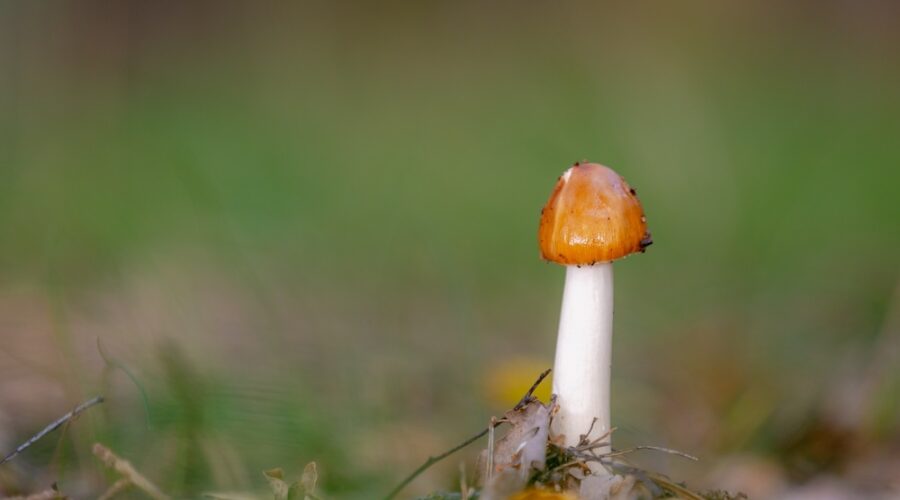
Let’s look back on the time psilocybin icon Paul Stamets took us into the woods to show us Psilocybe Azurescens, the world’s most powerful magic mushroom.
Here’s a little about Psilocybe azurescens
Psilocybe azurescens is widely regarded as the most potent species of magic mushroom. Known for its high concentrations of psilocybin, psilocin, and baeocystin, this mushroom can produce intense psychoactive effects. Here’s a closer look:
Origin and Habitat
- Natural Habitat: Found predominantly in the Pacific Northwest of the United States, particularly along the coastal regions of Oregon and Washington.
- Preferred Environment: It thrives in sandy soils with decaying wood or lignin-rich debris, often near dune grasses or forested areas.
Key Features
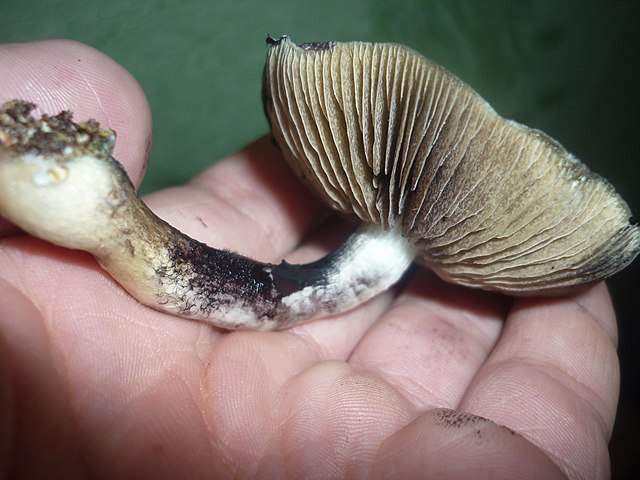
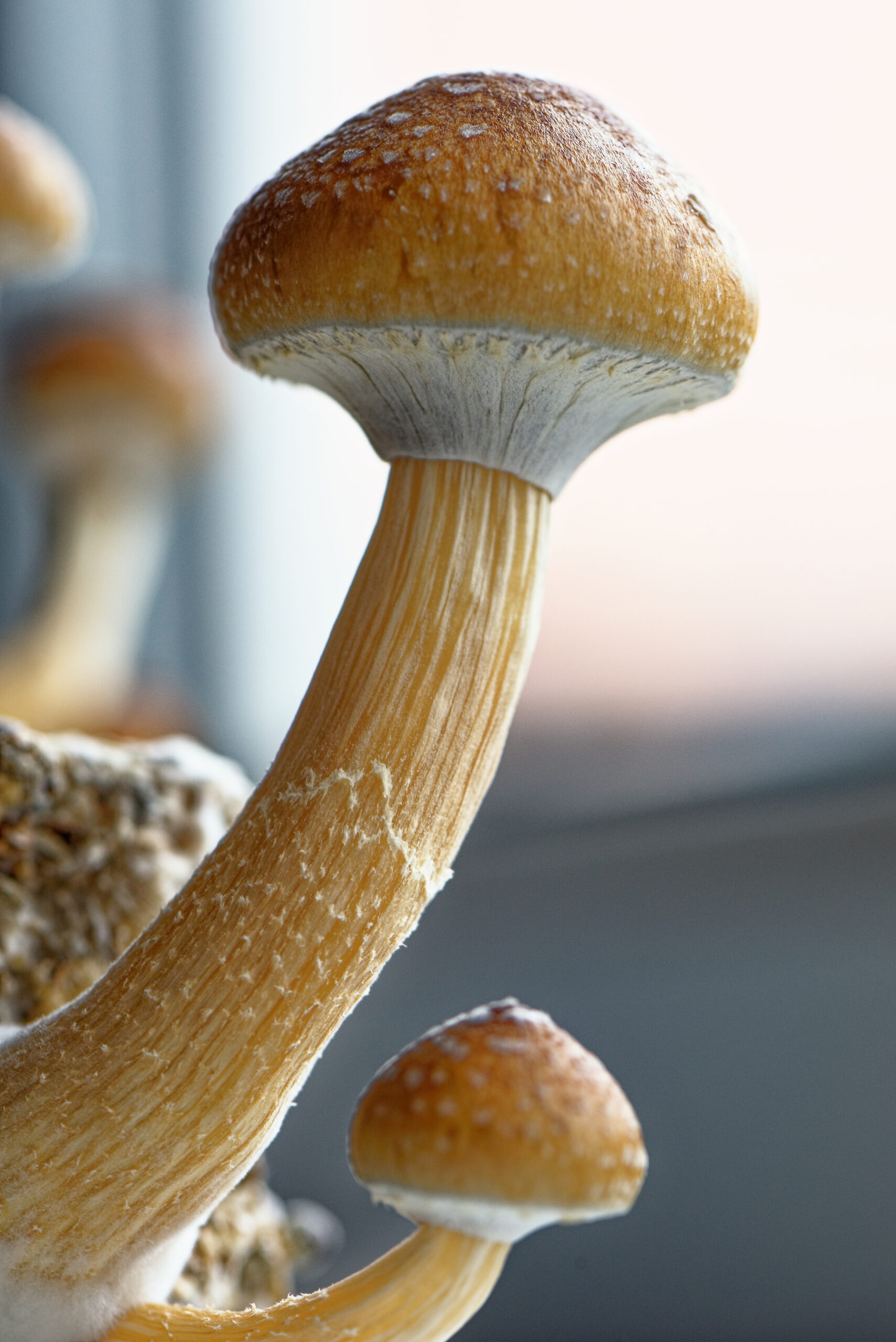
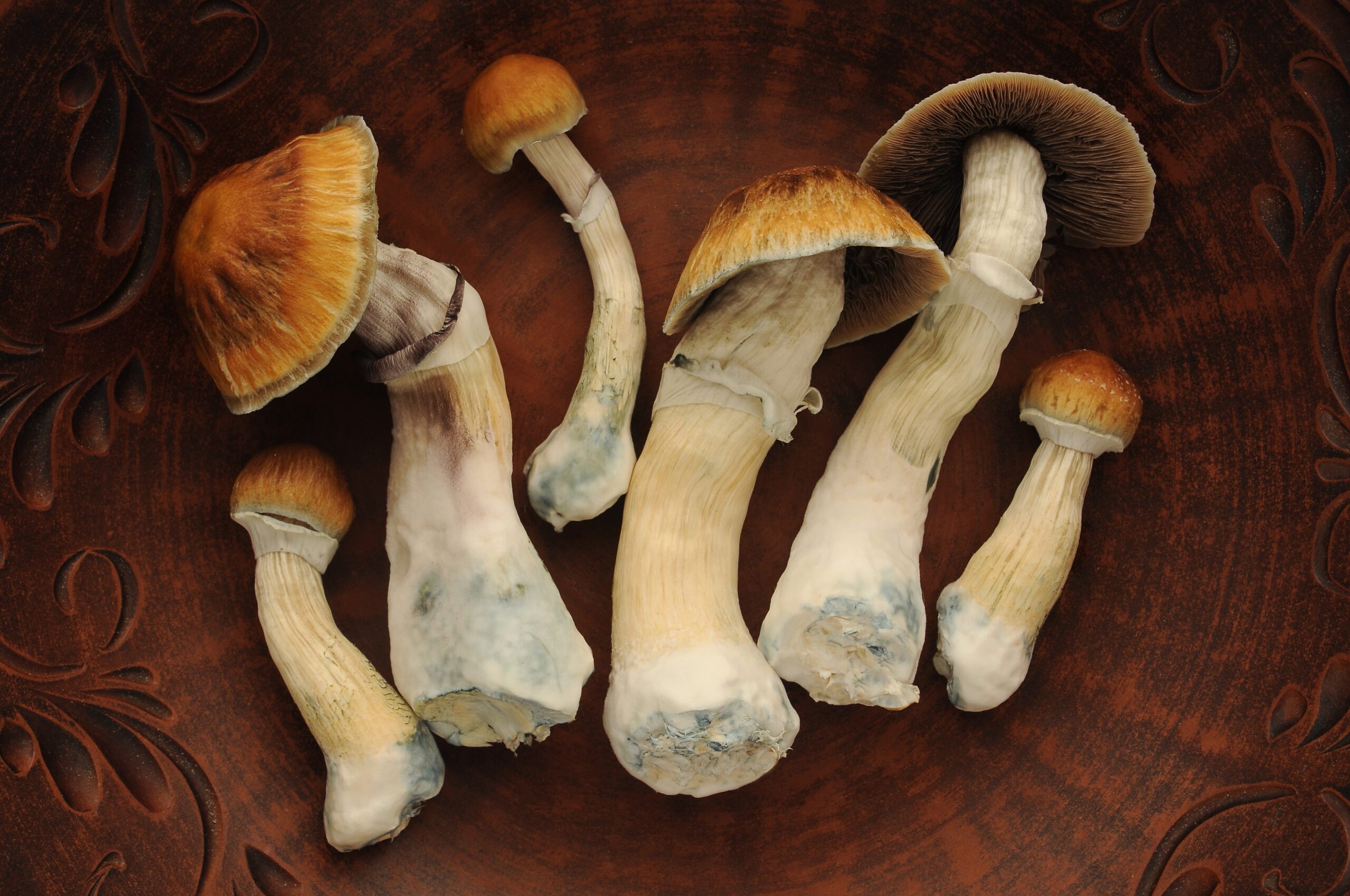
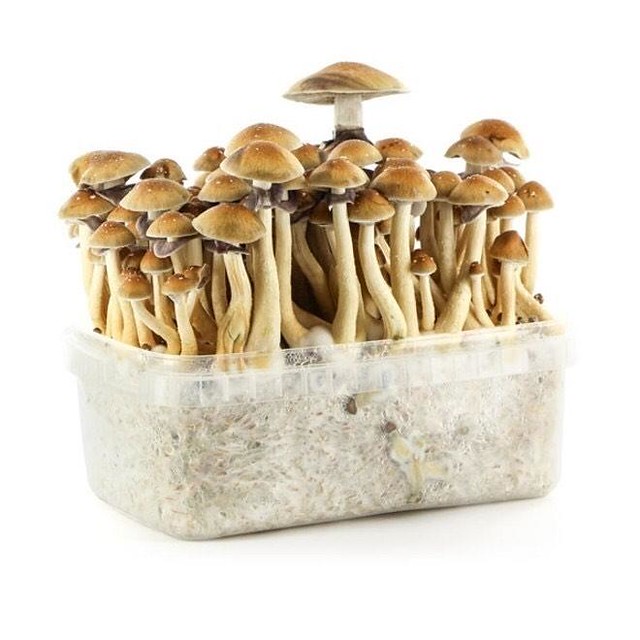
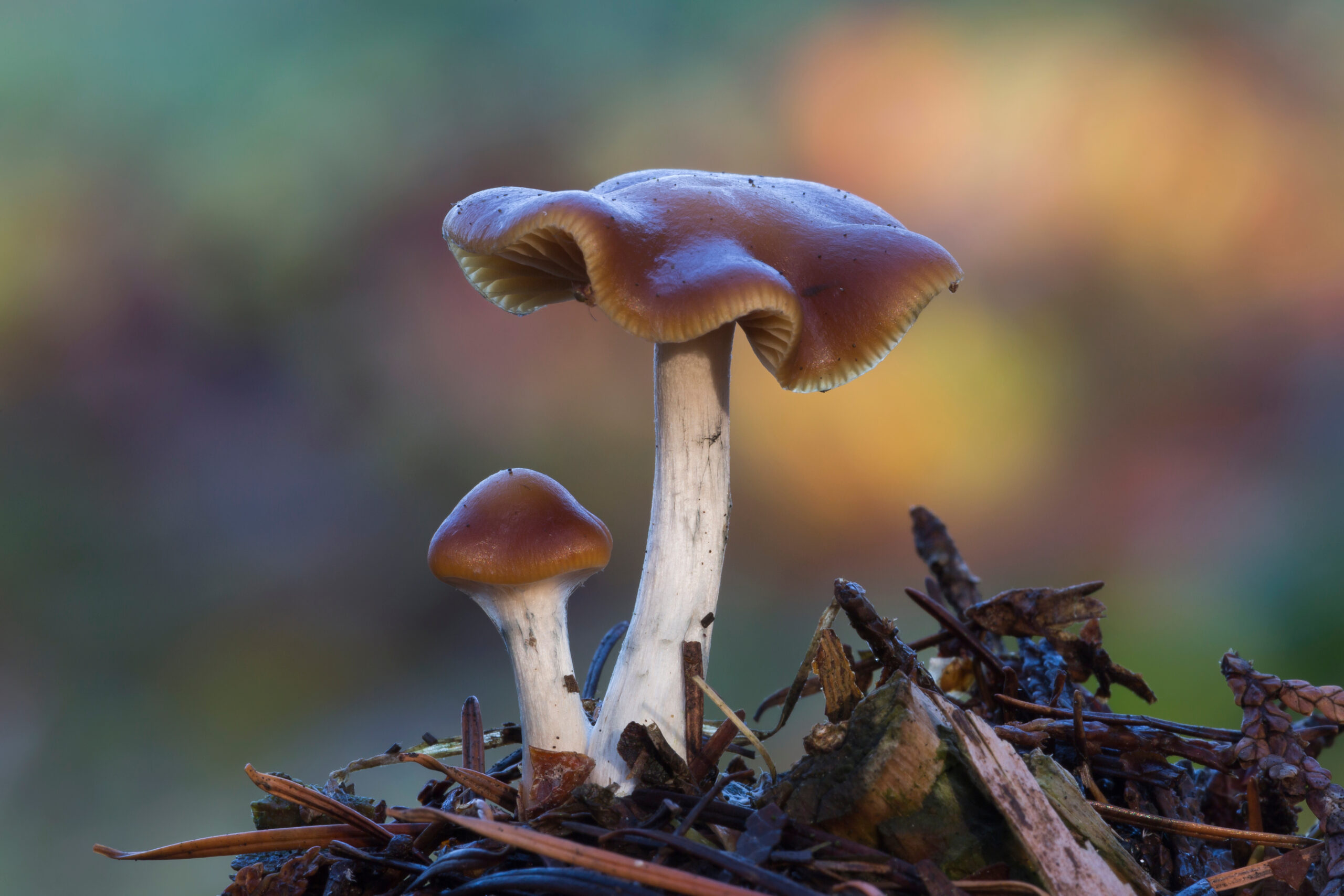
- Appearance: Features a caramel-colored, convex cap that often has a distinct nipple-like protrusion at the center. The stem is slender and white, with a tendency to bruise blue when handled, indicating the presence of psilocybin.
- Size: Caps range from 3 to 10 cm in diameter, and the stems can grow up to 20 cm tall.
- Spore Print: Produces a dark purplish-brown spore print.
Potency
- Psilocybin Content: Contains approximately 1.78% psilocybin and 0.38% psilocin by dry weight, with trace amounts of baeocystin. These levels are significantly higher than in other species like Psilocybe cubensis.
- Effects: Due to its potency, even small doses can result in profound visual, emotional, and introspective experiences. Users report heightened euphoria, time distortion, and deep spiritual insights.
Cultivation
- Challenges: Psilocybe azurescens is difficult to cultivate indoors due to its preference for outdoor, cool environments. It requires specific substrates, such as hardwood chips or outdoor beds with high humidity and moderate temperatures.
- Growth Season: Typically fruits in late fall, often after the first frost.
Risks and Considerations
- Dosage Sensitivity: Its high potency makes precise dosing crucial. Beginners should approach with caution to avoid overwhelming experiences.
- Legality: As with most psilocybin-containing mushrooms, Psilocybe azurescens is illegal in many countries. Ensure compliance with local laws before handling or consuming.
Cultural Significance
While Psilocybe azurescens is less common than other species, its reputation for potency has made it a favorite among experienced psychonauts and researchers exploring the therapeutic potential of psilocybin.
What Factors Go Into A Mushroom’s Potentcy?
| Factor | Description | Effect on Potency |
|---|---|---|
| Species | Different species of magic mushrooms (e.g., Psilocybe cubensis, Psilocybe azurescens) naturally contain varying levels of psilocybin and psilocin. | Species like Psilocybe azurescens are more potent due to higher psilocybin and psilocin concentrations. |
| Strain | Specific strains within a species can have genetic differences that influence psilocybin levels. | Strains like “Penis Envy” are known for higher potency compared to other Psilocybe cubensis strains. |
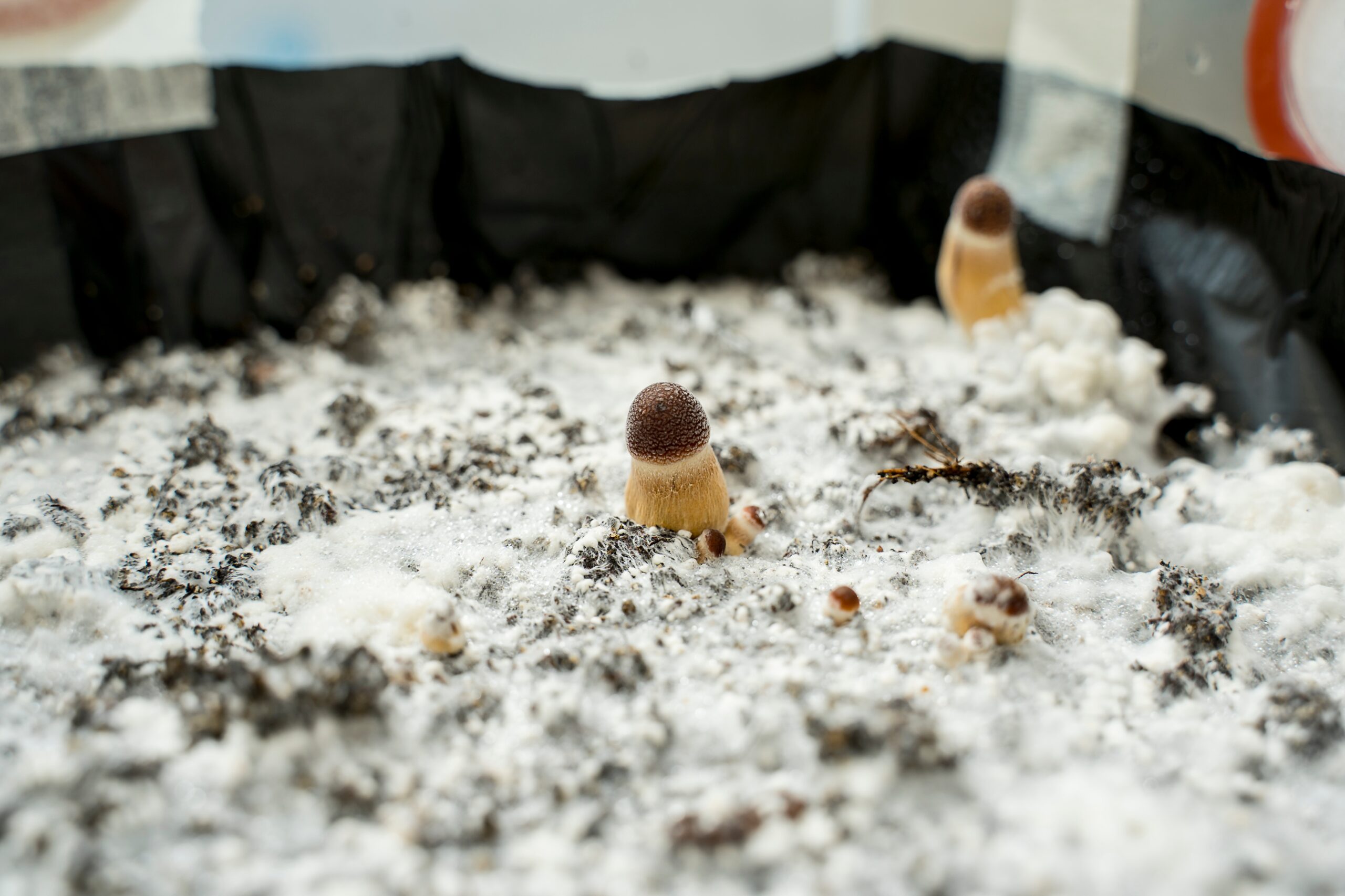
| Growing Conditions | Factors like substrate quality, temperature, humidity, and light exposure during cultivation impact alkaloid production. | Optimal conditions can increase psilocybin concentration, making the mushrooms more potent. |
| Harvest Time | The stage of growth when mushrooms are harvested affects their chemical composition. | Mushrooms harvested at their peak maturity often have higher psilocybin levels. |
| Storage | Exposure to light, heat, air, and moisture during storage can degrade psilocybin into less potent compounds. | Proper storage (cool, dark, and airtight) preserves potency for longer periods. |
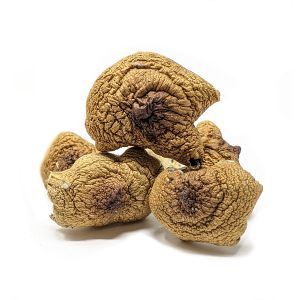
| Drying Method | How mushrooms are dried (e.g., air-drying, dehydrator) affects psilocybin retention. | Quick and low-temperature drying methods retain more psilocybin, increasing potency. |
| Fresh vs. Dried | Fresh mushrooms contain more water, which dilutes the concentration of active compounds compared to dried mushrooms. | Dried mushrooms are more concentrated and potent by weight than fresh mushrooms. |
| Genetics | The genetic makeup of the mushroom determines its baseline psilocybin production potential. | Selective breeding for potency can result in higher psilocybin content. |
| Environmental Stress | Stressors like irregular water supply or nutrient limitation during growth can trigger increased psilocybin production. | Stressed mushrooms may produce more psilocybin as a defense mechanism. |
| Age | The age of the mushrooms when consumed can affect their potency. | Overly mature or aging mushrooms may lose potency as psilocybin degrades over time. |
Learn More About Magic Mushrooms Strains
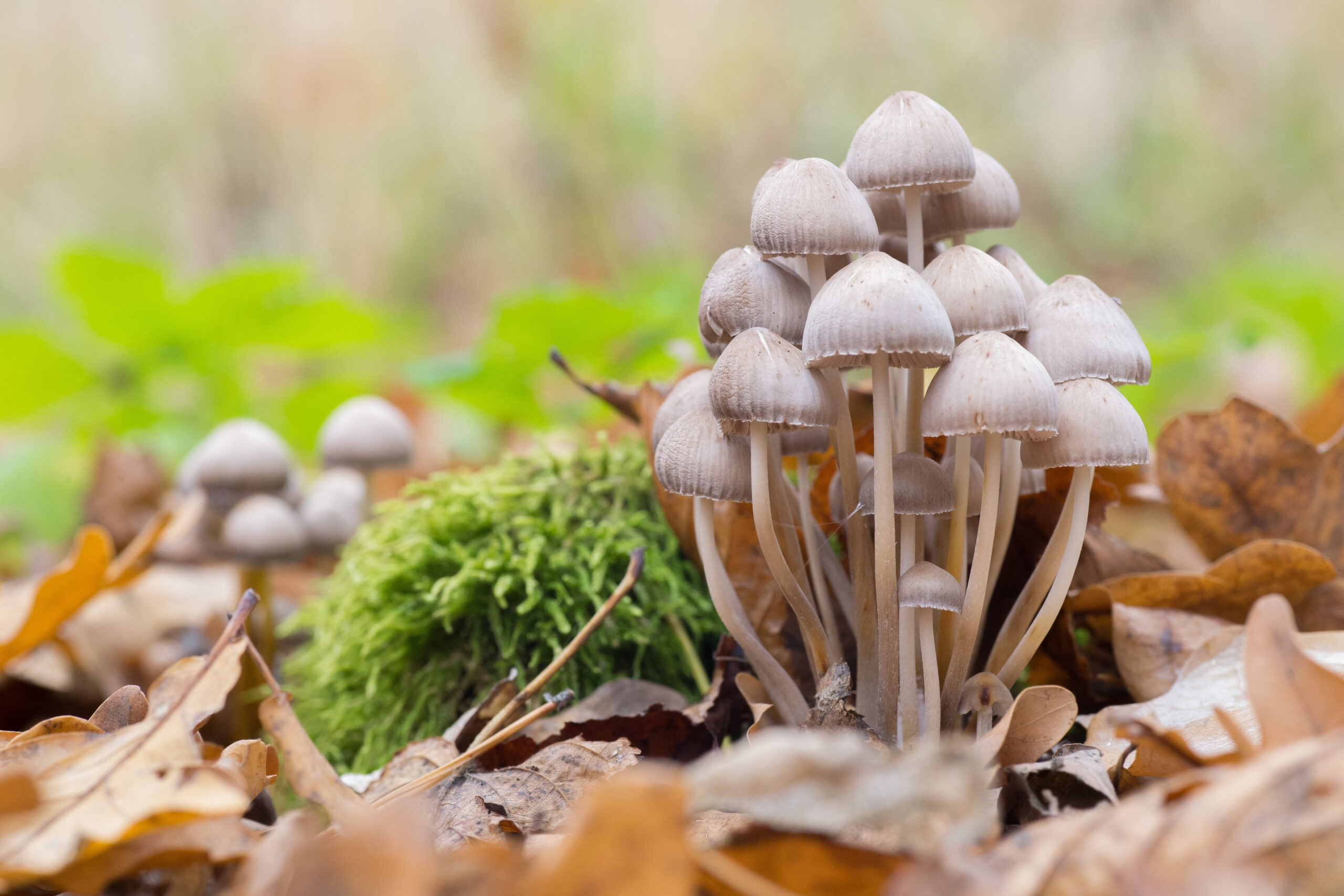
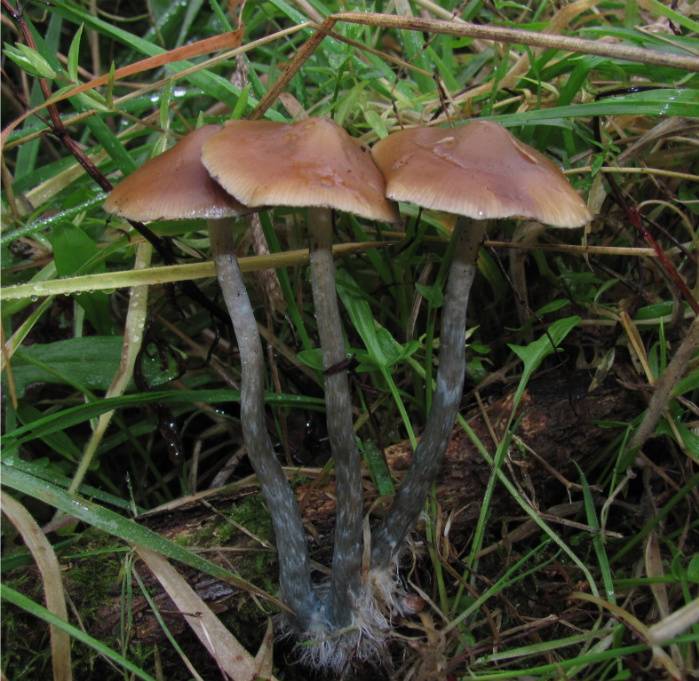
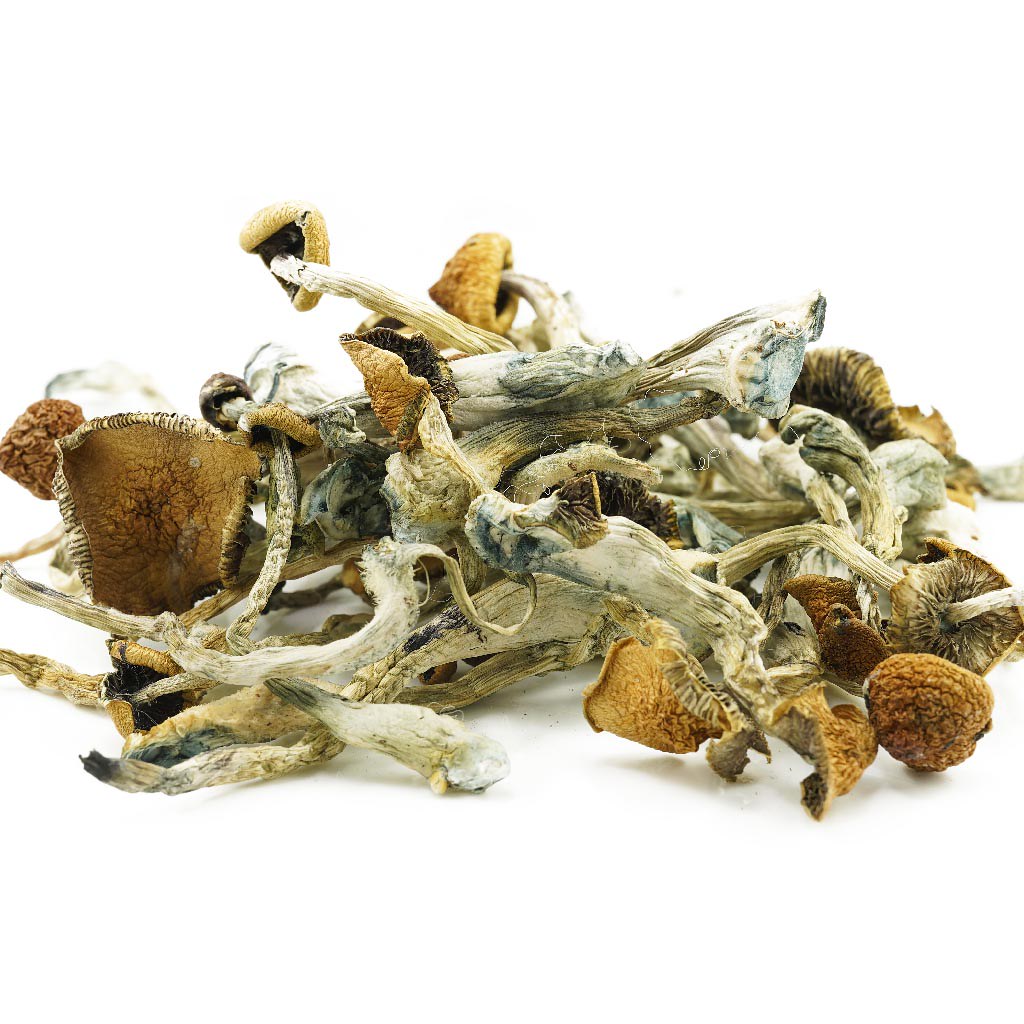
Interested in learning more about the different varieties of magic mushrooms strains? Click through our menu below for a deeper dive into each strain.
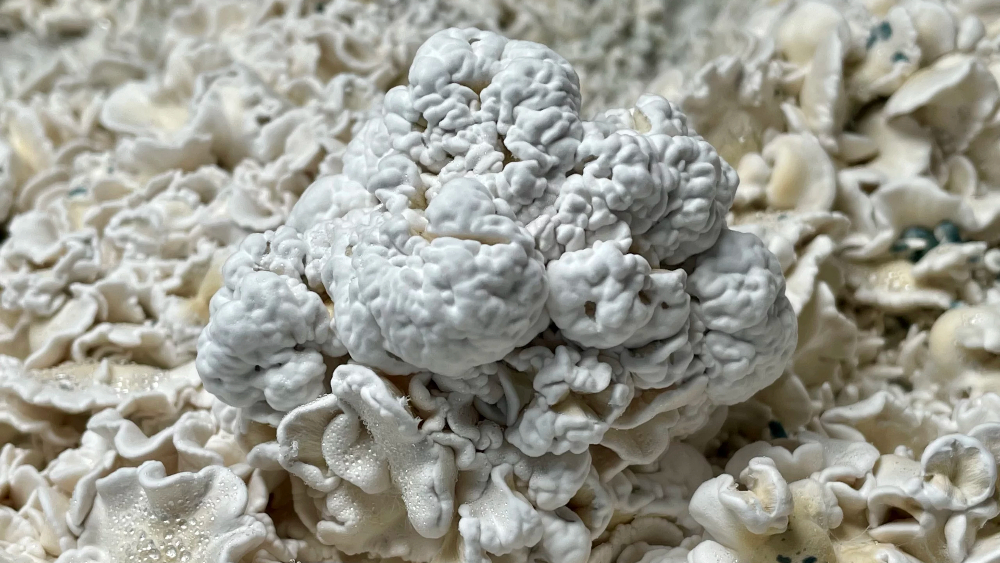
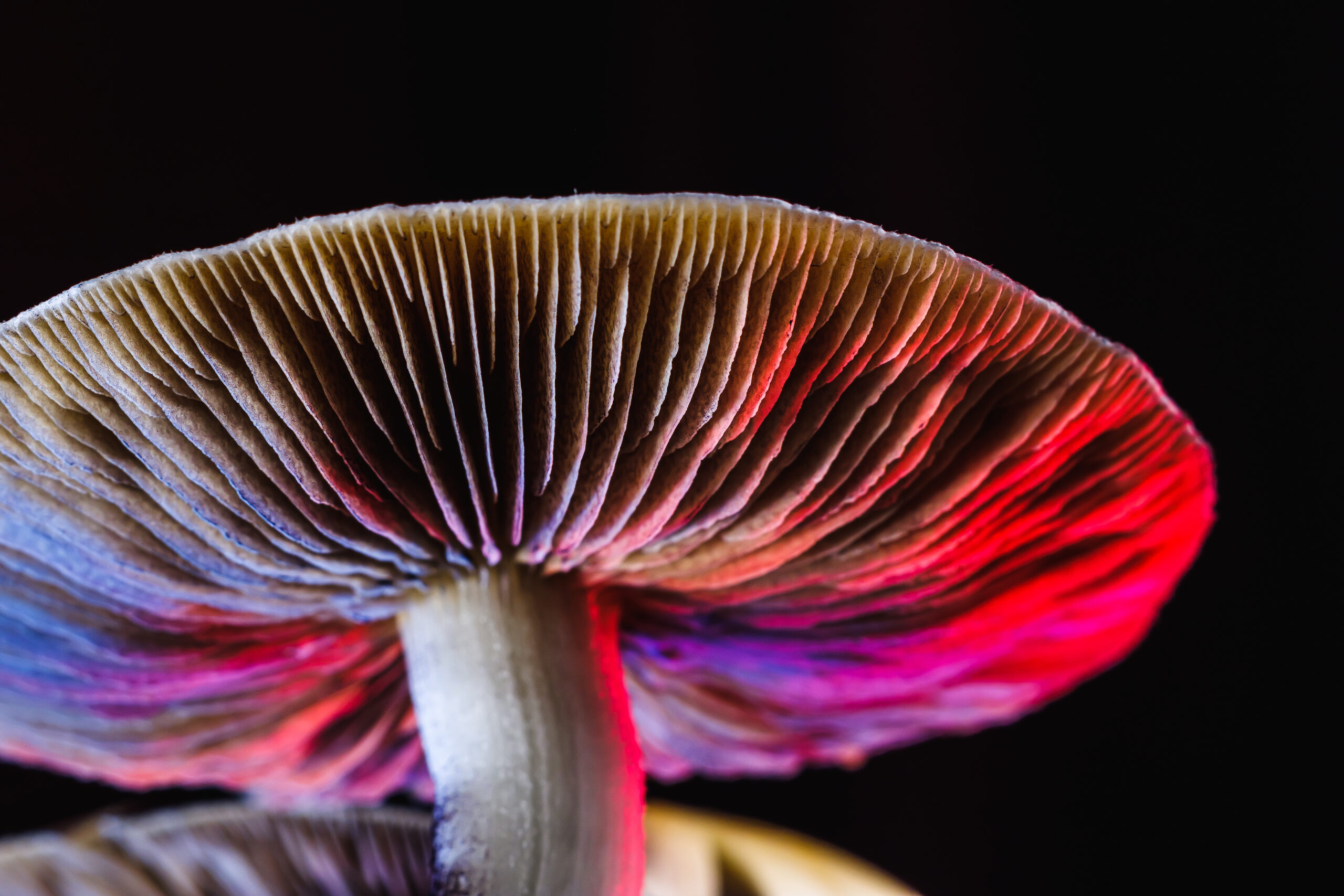
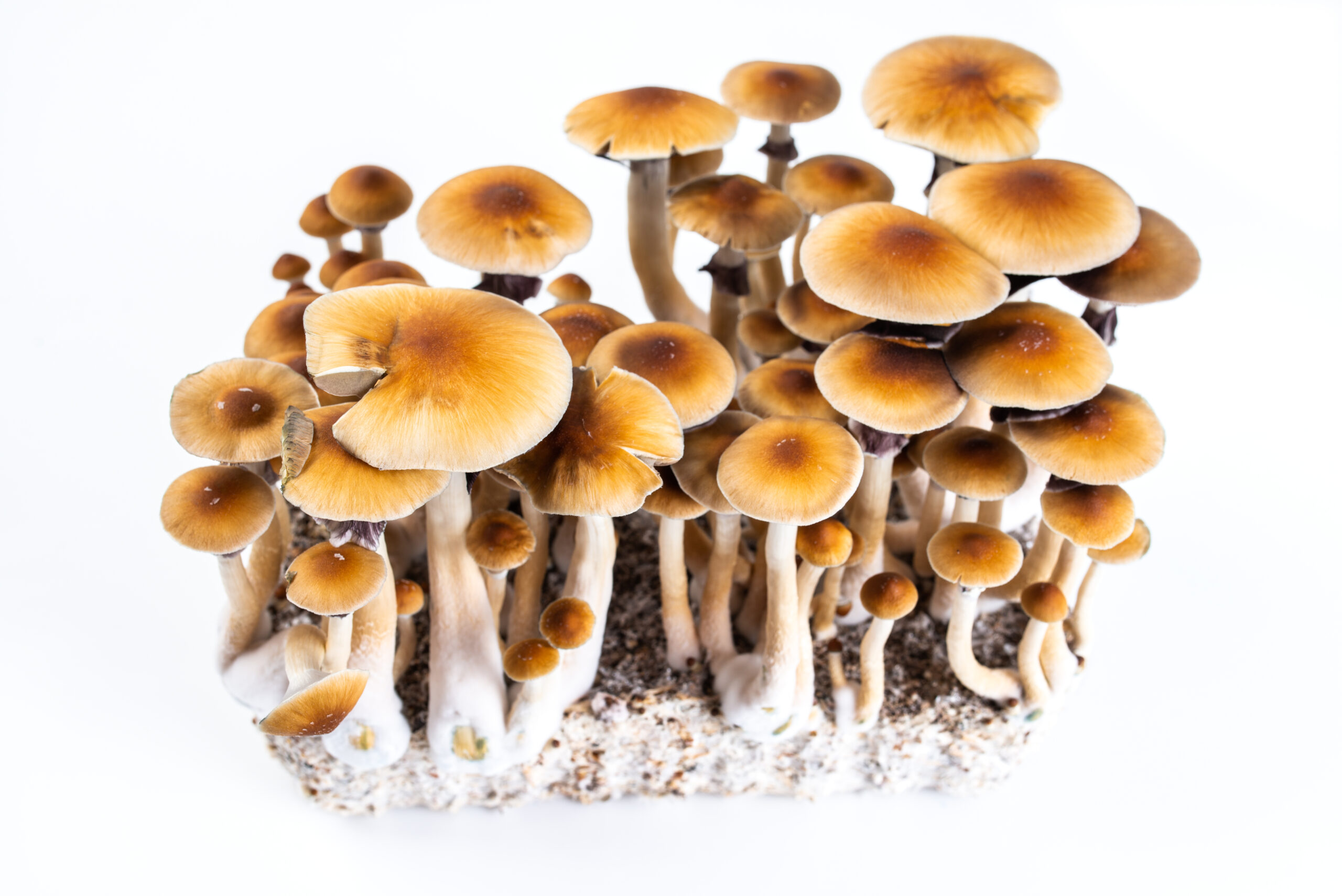
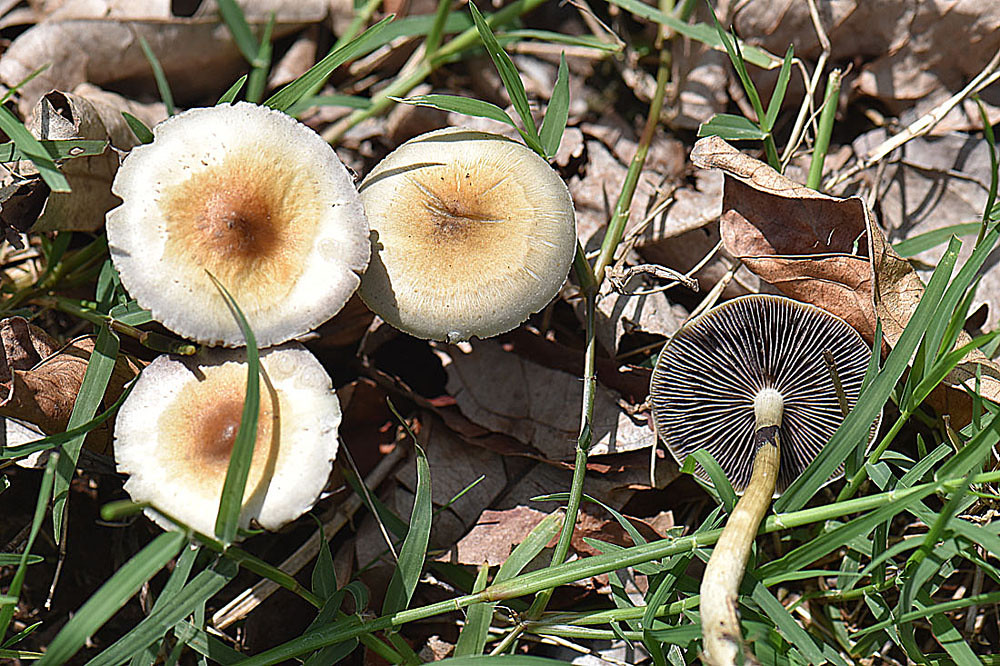
See also: — our psilocybin retreats guide.
Potency Rankings in 2025: What Testing Has Revealed About the Most Powerful Psilocybin Mushrooms
The question of which psilocybin mushroom is “most powerful” has become more answerable in recent years as lab testing of psilocybin content has expanded. Here is the updated picture from testing data and research.
The testing data: where Psilocybe azurescens and Panaeolus cyanescens rank. Consistent analytical testing has established a relatively clear potency hierarchy among commonly encountered psilocybin mushrooms. Psilocybe azurescens (flying saucer mushroom) regularly tests at approximately 1.78% total tryptamines by dry weight — making it the highest-potency commonly documented Psilocybe species. Panaeolus cyanescens (blue meanie) — a smaller but extremely potent species — tests in a similar range, often 1–2.5%+, and has been documented producing higher psilocin concentrations than most Psilocybe species (psilocin is the active form; mushrooms with higher psilocin-to-psilocybin ratios may have faster onset). These compare to typical Psilocybe cubensis at 0.5–0.75% total tryptamines. The practical implication: a gram of azurescens or blue meanies may be equivalent in effect to 2–4 grams of cubensis.
The role of growing conditions in potency variation. Potency varies significantly based on growing conditions, not just genetics. Key factors: (1) Substrate composition — nutrient-dense substrates generally produce higher alkaloid content; (2) Harvest timing — mushrooms harvested just before the veil breaks (cap still closed or just opening) typically have higher psilocybin content than fully open, spore-dropping specimens; (3) Drying method — excessive heat during drying degrades psilocybin; freeze-drying and low-temperature drying preserve alkaloids better; (4) Storage — cool, dark, dry conditions with desiccant preserve potency over time; heat and light degrade alkaloids. This variability means that even with a known “high-potency” strain, the actual alkaloid content of a specific batch can differ substantially from the average for that strain.
Beyond psilocybin: the entourage effect hypothesis. Research has increasingly focused on whether psilocybin concentration alone explains potency differences between mushroom species and strains. Baeocystin, norbaeocystin, and aeruginascin are secondary tryptamines present in varying amounts across Psilocybe and Panaeolus species. Anecdotal accounts and early research suggest that mushrooms with similar psilocybin concentrations but different secondary compound profiles may produce qualitatively different experiences — what some researchers call an “entourage effect” analogous to the cannabis terpene hypothesis. This research is preliminary; the human pharmacology of baeocystin and other secondary tryptamines is not well-characterized. But it offers a potential explanation for why experienced users report that different high-potency strains feel qualitatively distinct despite similar total alkaloid content.
Frequently Asked Questions
What is the most potent psilocybin mushroom species?
Based on published analytical testing, Psilocybe azurescens and Panaeolus cyanescens (blue meanies) are consistently among the most potent commonly encountered psilocybin mushroom species, both typically testing in the 1–2.5%+ total tryptamine range by dry weight. Psilocybe azurescens averages around 1.78% in published data. Compare this to typical Psilocybe cubensis at 0.5–0.75%. Some exotic or rare Psilocybe species (Psilocybe tampanensis, certain Panaeolus species) may test at similar or higher levels but are rarely encountered outside collections. Potency also varies significantly within a species based on growing conditions, harvest timing, and storage — a well-grown and properly stored cubensis can sometimes overlap with a poorly grown azurescens in actual alkaloid content.
How does potency affect dosing?
Potency differences have direct, practical implications for dosing. Standard cubensis dose ranges (e.g., 2–3.5g for a moderate experience) do not apply to high-potency species. With P. azurescens or Panaeolus cyanescens, the same experience level may be achievable at 0.5–1g. The rule of thumb: when moving from cubensis to a higher-potency species, start at one-third to one-half the weight you would use with cubensis and adjust from there. This is especially important because many potency-related accidents and unexpectedly intense experiences occur when people apply standard cubensis doses to significantly more potent species. A precise milligram-scale is essential for accurate dosing with high-potency mushrooms.
What factors affect psilocybin potency in mushrooms?
Several factors significantly influence the psilocybin content of a mushroom beyond genetics: (1) Harvest timing — harvesting before the veil breaks (just before or as the cap opens) typically maximizes psilocybin content; (2) Substrate — nutrient-rich substrates can enhance alkaloid production; (3) Drying method — low-temperature drying preserves alkaloids; heat above 150°F (65°C) degrades psilocybin; (4) Storage conditions — dark, cool, dry, airtight storage with desiccant slows degradation; (5) Flush number — first-flush mushrooms from a given substrate are often more potent than later flushes (some evidence for this, though not universal); (6) UV exposure — light degrades psilocybin; store dried mushrooms away from light.
What is Panaeolus cyanescens (blue meanies)?
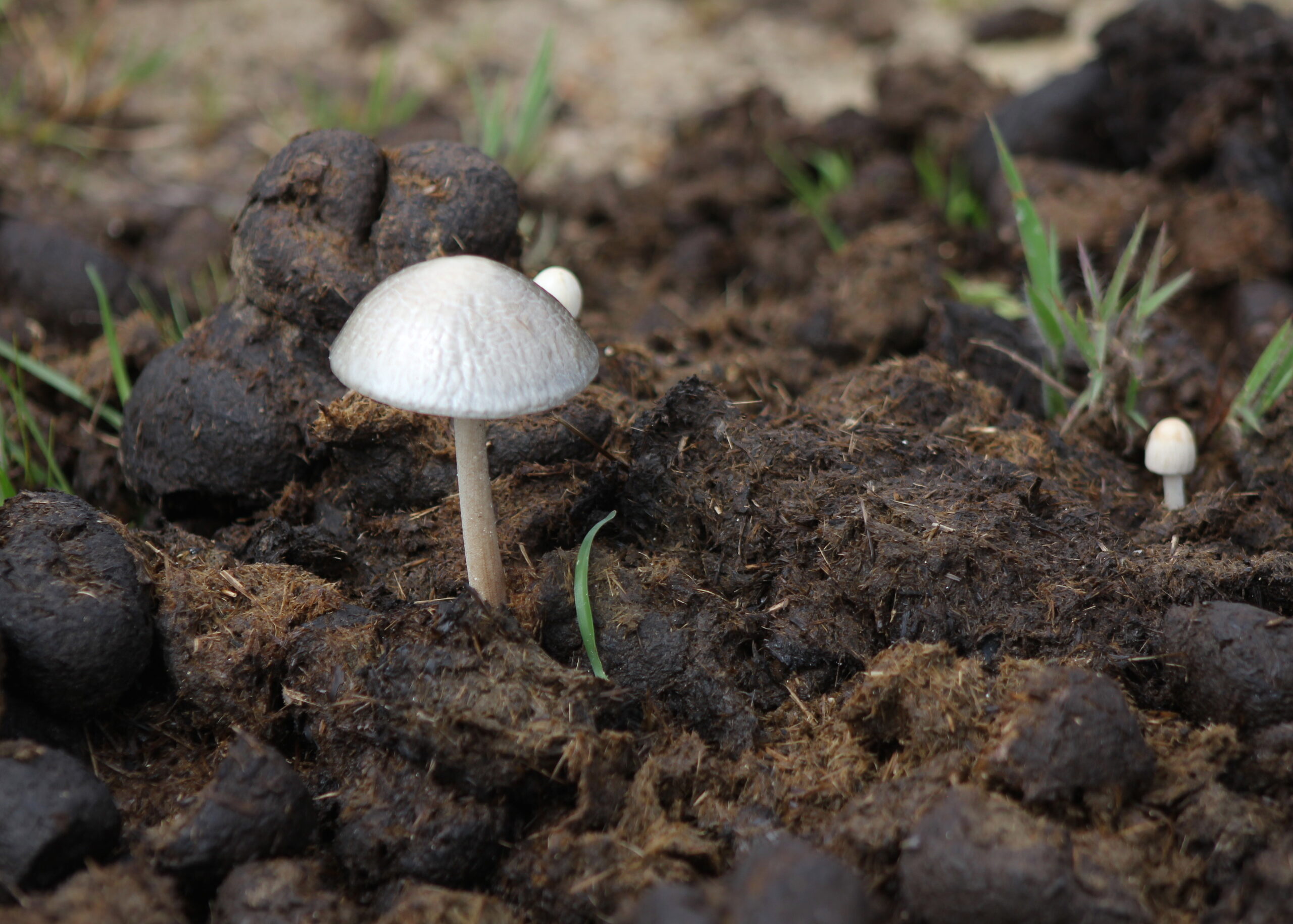
Panaeolus cyanescens (also called Copelandia cyanescens or “blue meanies”) is a tropical psilocybin mushroom species that grows widely in warm, humid regions worldwide, often in cattle dung and well-manured pastures. It is significantly smaller than P. cubensis — with caps typically 1–4 cm — but is among the most potent psilocybin mushroom species by weight, with psilocybin plus psilocin concentrations often exceeding 1.5–2%. Its small size and high potency mean it is easy to misjudge dose by appearance or habit if accustomed to cubensis. Blue meanies bruise intensely blue when damaged, which is diagnostic. They are cultivated in the same jurisdictions where other psilocybin mushrooms are legal (primarily Colorado for home cultivation). They are often encountered in tropical and subtropical regions during warm, wet seasons.