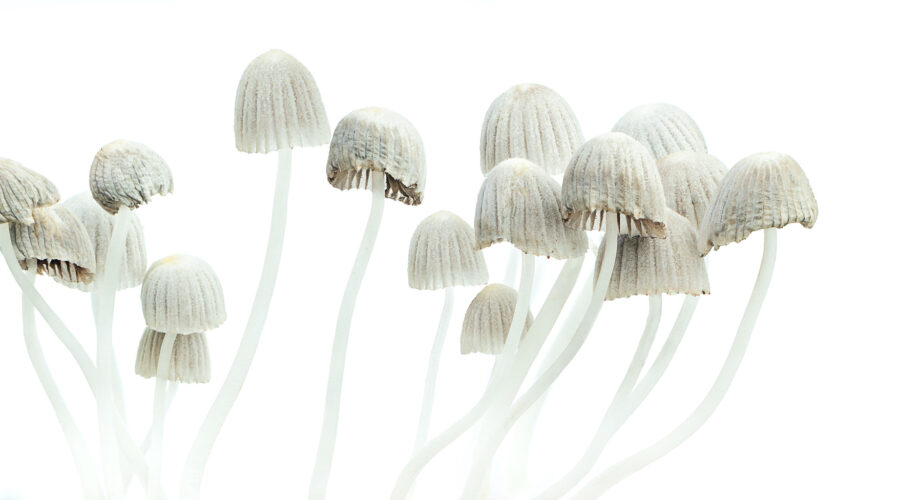
How to Grow and Identify the Psilocybe Mexicana Magic Mushroom
Last reviewed and updated: July 15, 2026.
Key Takeaways
| Species significance | Psilocybe mexicana is the mushroom Albert Hofmann used to first isolate psilocybin in 1958, with deep roots in Mazatec ceremonial tradition. |
| Potency | It is relatively mild compared with Psilocybe cubensis, which shapes both dosing and cultivation expectations. |
| Legal status | Psilocybin is federally illegal. Growing psilocybin mushrooms at home is illegal in most of the United States, even where personal possession is decriminalized. |
| Legal access instead | Oregon and Colorado offer supervised, licensed psilocybin services using standardized, lab-tested doses rather than home-grown mushrooms. |
| Identification caution | Wild Psilocybe species are easily confused with toxic look-alikes. Misidentification is a serious safety risk. |
Psilocybe mexicana is a species of psilocybin mushroom with a fascinating cultural history. Its first known usage was by the indigenous peoples of North and Central America over 2,000 years ago. The Aztecs used it as a religious sacrament and called it teotlnanácatl, which is made up of the Nahuatl words teotl (“god”) and nanácatl (“flesh”). So teotlnanácatl means “flesh of the gods”.
RELATED: Find vetted psilocybin retreats in Oregon and around the globe
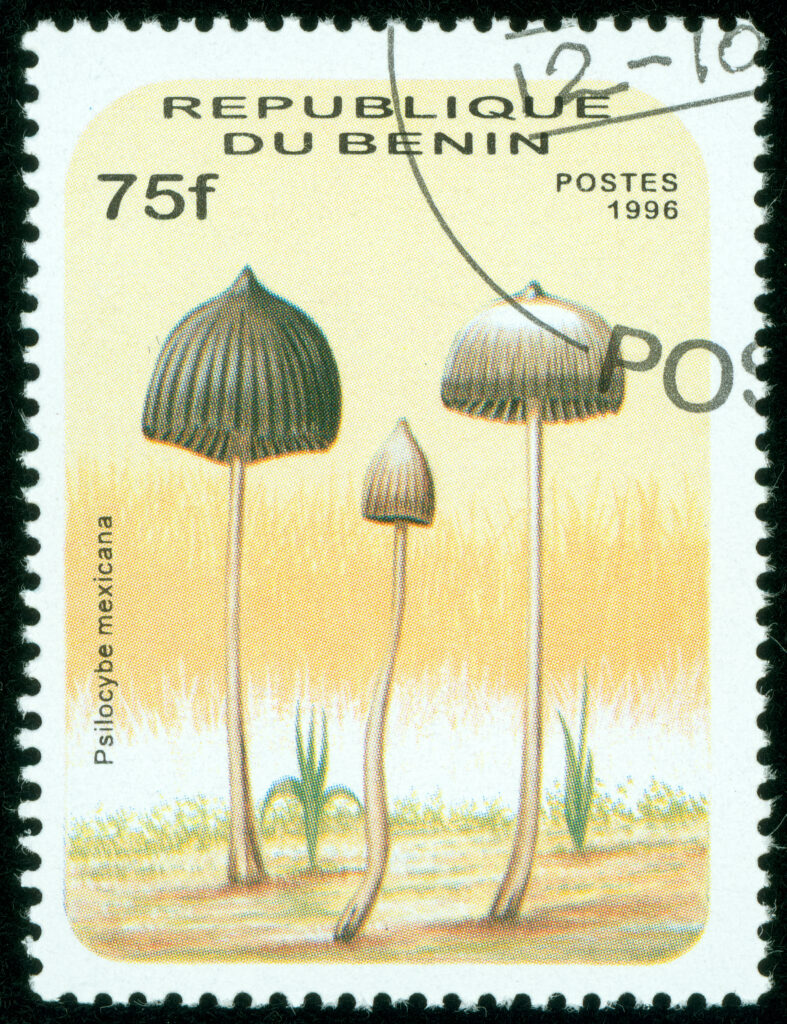
Here’s What People Like and Don’t Like About Psilocybe Mexicana
Identifying Psilocybe Mexicana And Its Lookalikes
The first thing to note is that Psilocybe mexicana grows in the wild. So if you want to go out and pick them in nature (instead of buying them from someone), then you need to know what they look like. We will explain how you can identify them, as well as point out Psilocybe mexicana lookalikes you should be aware of. (This species also produces sclerotia, although they can be hard to identify specifically as Psilocybe mexicana.)
New: Interested in Being Part of a Psychedelics-Focused Clinical Trial? Sign Up Here
Where Does Psilocybe Mexicana Grow?
If you want to successfully find Psilocybe mexicana in nature, then you need to know where it grows. This means being aware of both the type of habitat and the countries they grow in.
Habitat
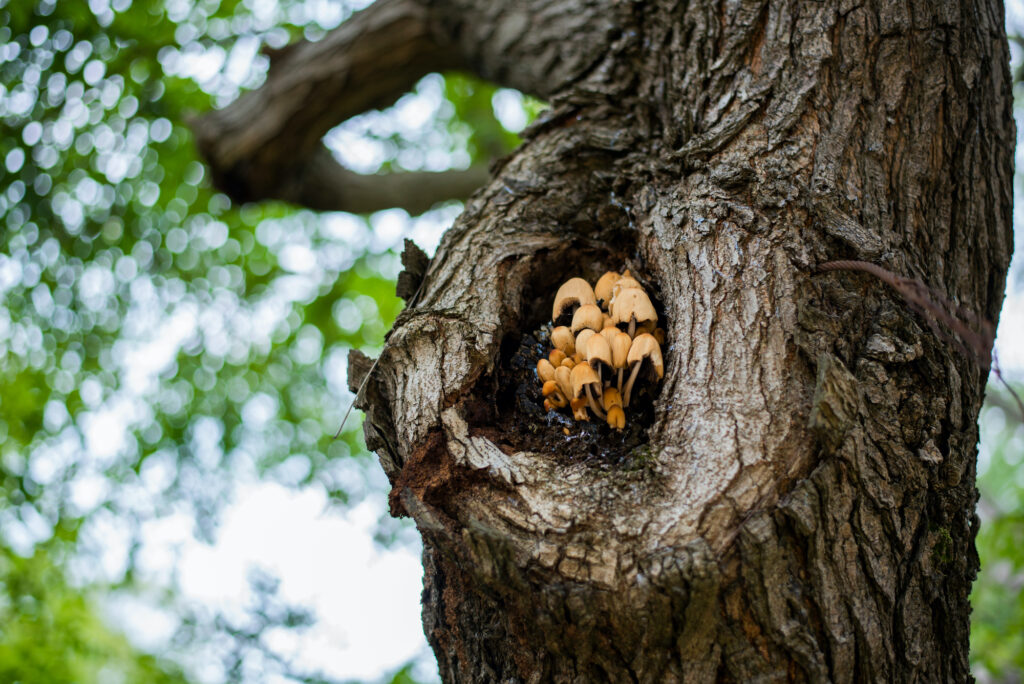
Psilocybe mexicana grows alone or in small groups among moss along roadsides and trails, in humid meadows or cornfields, and in particular, in the grassy areas bordering deciduous forests. It is common at elevations between 300-505 meters, and rare in lower elevations.
RELATED: 10 Most Potent Magic Mushrooms
Distribution
Psilocybe mexicana is known to only occur naturally in Mexico, Costa Rica, and Guatemala. This is why the mushroom has a rich history of cultural use in Mexico, for instance, but not elsewhere in the world.
How To Identify Psilocybe Mexicana
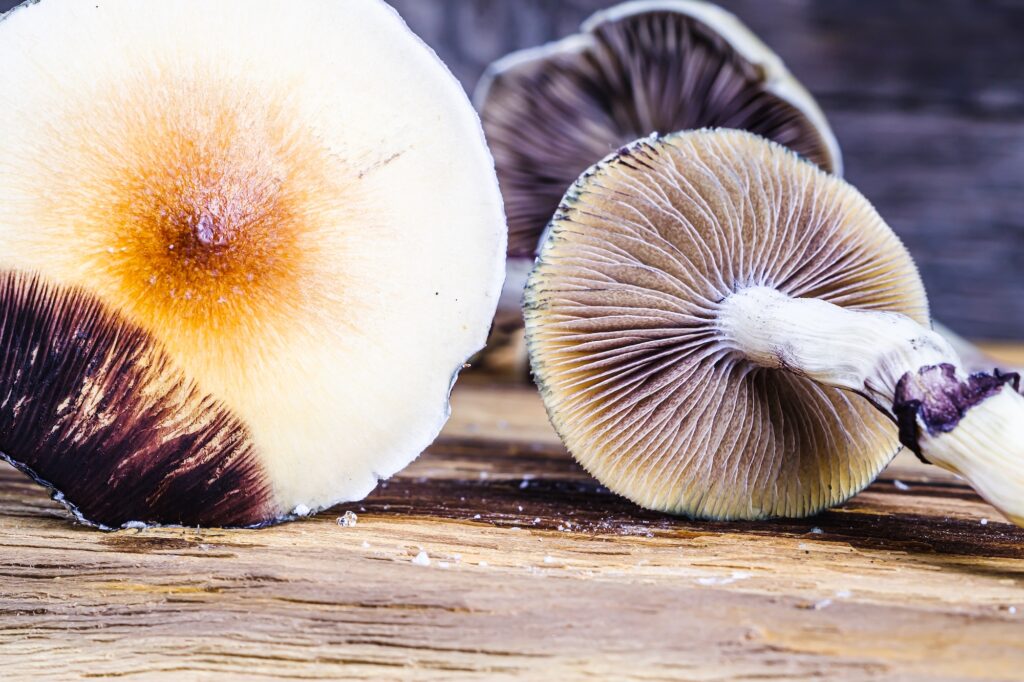
You’ll be able to identify Psilocybe mexicana mushrooms by knowing their distinctive features:
- Cap (pileus): 0.5-3 cm in diameter, convex or cone-shaped, with margins that flare out to resemble a bell (campanulate). The caps often have a slight papilla (a nipple-shaped structure, which liberty caps also have). The caps are hygrophanous (they change color based on the loss or absorption of water), ocherous to brown or beige to straw color as they age, sometimes with blueish or greenish, and they easily turn blue when injured.
- Gills (lamellae): Adnate or adnexed, gray to purple-brown with whitish edges.
- Stem (stipe): 4-10 cm tall and thin, equal, and hollow. It is straw color to brownish or reddish-brown, becoming darker where injured. An annulus (the ring-like structure found on the stipe) is absent.
- Odor and Taste: Farinaceous (“flour-like”).
Psilocybe Mexicana Lookalikes
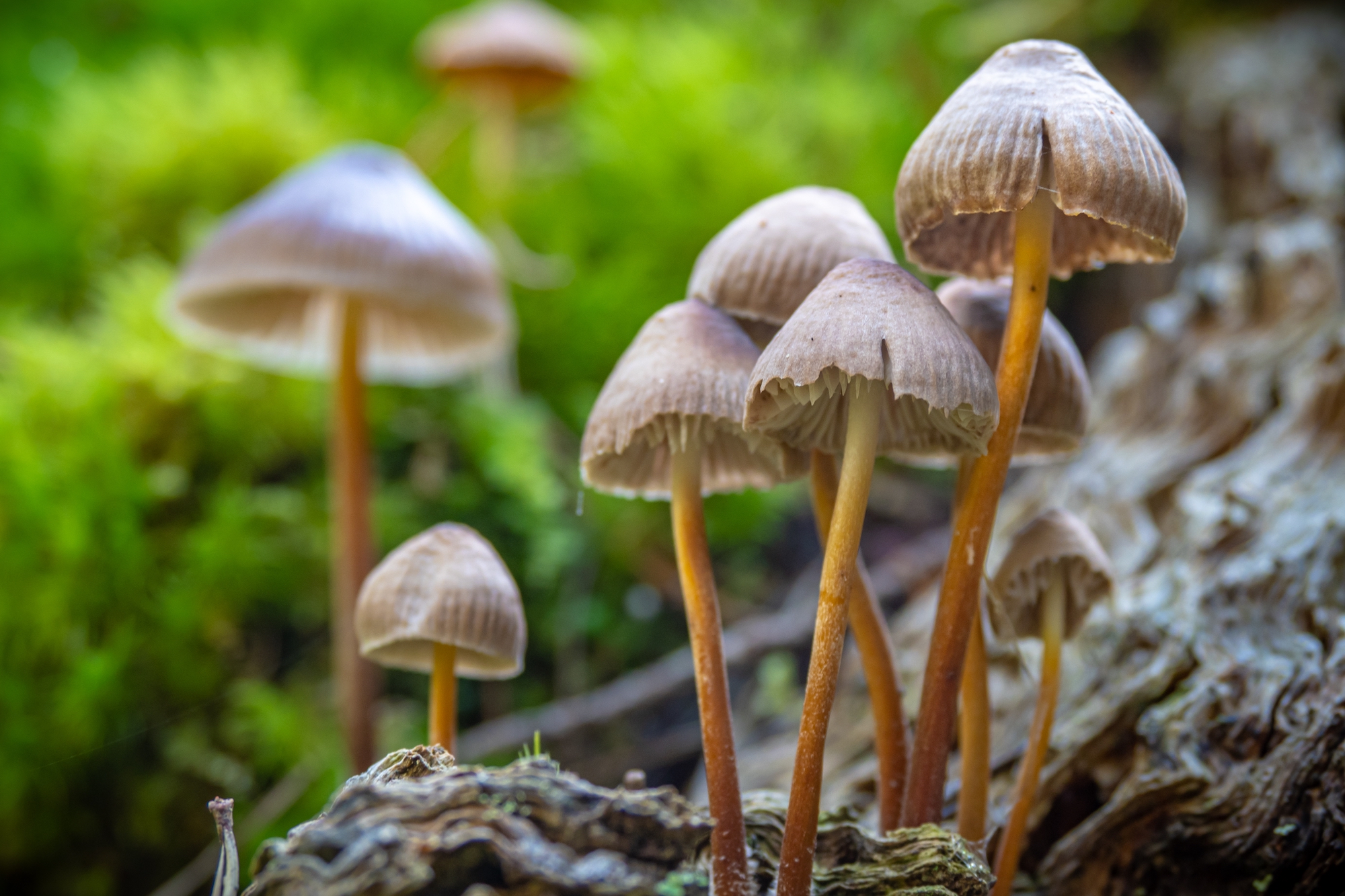
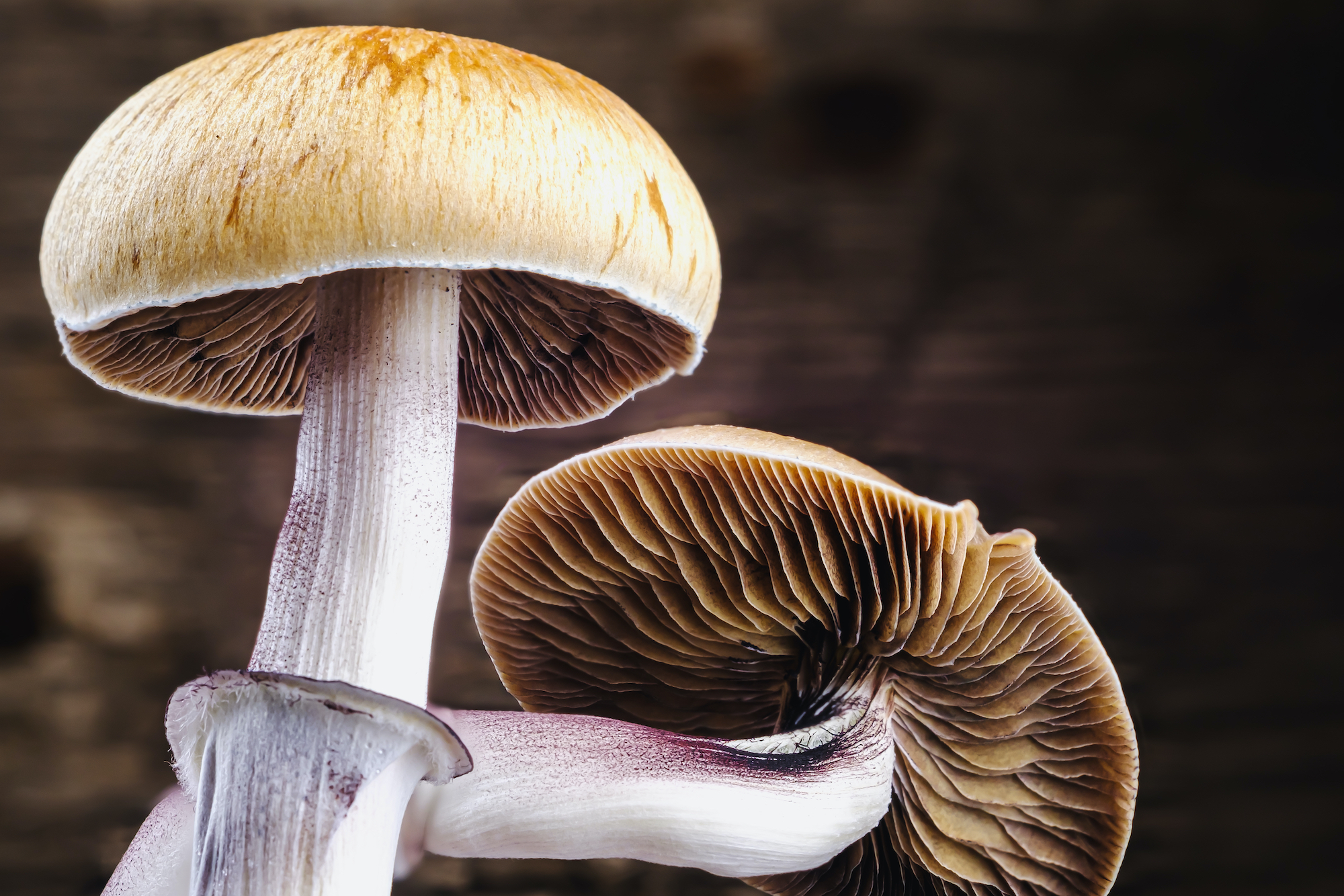
Psilocybe mexicana can look similar to other species from the genus of Psilocybe, such as Psilocybe azurescens and Psilocybe semlianceata (liberty caps). However, it’s easy to tell them apart based on the country you’re in. Neither of these other lookalikes grows naturally in Mexico, Costa Rica, and Guatemala.
Yet there are other Psilocybe species that do occur in these countries, such as Psilocybe cubensis, which, like Psilocybe mexicana, also likes to grow in manure deposits in grasslands. Some features that make Psilocybe cubensis distinct, however, include a flattish cap, a well-developed, persistent ring (annulus), and an earthy taste.
If you want to try to find mushrooms in the wild, it’s best to head out with a more experienced guide, rather than relying on just photos or descriptions. You can look online for local mycology groups in the area to see if there are any mushroom hunts that you can join.
Nonetheless, you should be aware that these groups may not have a strong interest in psychedelic mushrooms like you do, so get a sense first of how the group feels about foraging for them.
How To Grow Psilocybe Mexicana
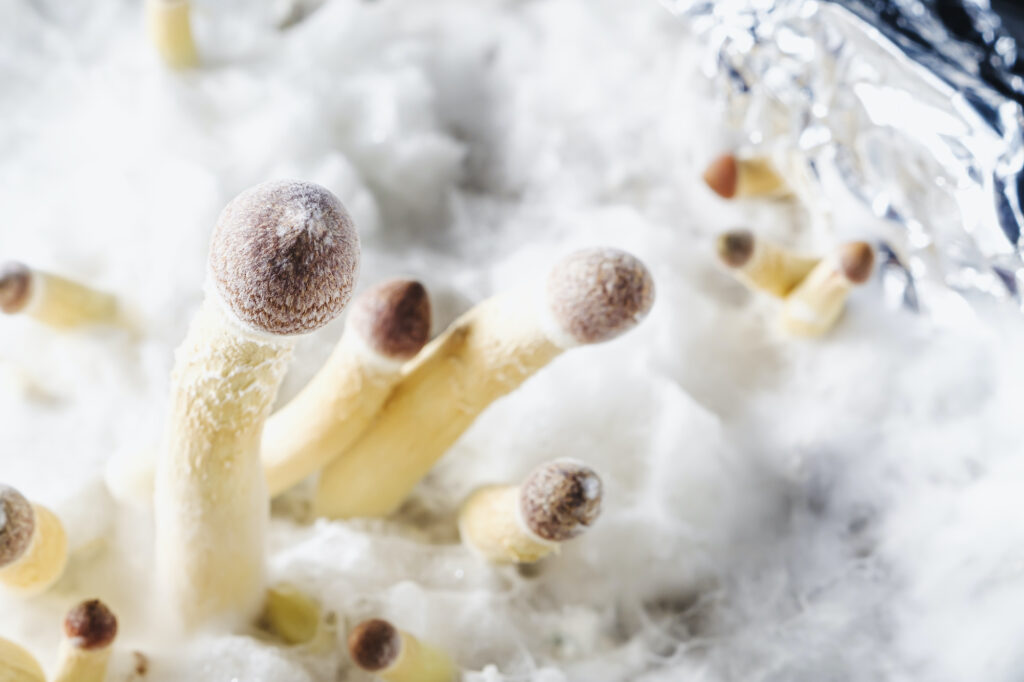
Growing magic mushrooms like Psilocybe mexicana is illegal in most countries because they contain the controlled substance psilocybin. However, it is legal to buy Psilocybe mexicana spores. These are the reproductive cells that allow the mushroom to grow.
Magic mushroom spores do not contain psilocybin, so they are not themselves illegal. But once they germinate and begin producing mycelium, psilocybin will be produced, making the end product illegal. Nevertheless, magic mushroom spores are illegal in California, Georgia, and Idaho. In the other 47 states, you’re free to buy and possess them.
Growing Psilocybe mexicana mushrooms requires a bit more care.
In terms of growing Psilocybe mexicana at home, most cultivators tend to grow the sclerotia. To grow the sclerotia of Psilocybe mexicana, you need dark, nutrient-rich conditions (whereas mushroom production is favored when cultures are exposed to daylight in growth media that are less nutrient-rich).
Growing Psilocybe mexicana sclerotia in lolium (rye grass) seeds works well. The sclerotia will appear after 3-12 weeks. If these cultures are exposed to daylight and less nutrient-rich growth media, adult mushrooms will grow instead within a week or two.
For this reason, if you want to successfully cultivate the mushrooms rather than the sclerotia, then you should consider gathering spores from multiple sources or vendors.
Potency
Jochen Gartz, in his book Magic Mushrooms Around the World (1996), states that Psilocybe mexicana has psilocybin concentrations comparable to those found in Inocybe aeruginascens. Based on five different dried samples of the latter, the psilocybin content ranged from 0.11 percent to 0.38 percent.
Based on the maximum concentrations of psilocybin and psilocin, Psilocybe mexicana appears to be less potent than the more commonly grown Psilocybe cubensis, which is itself a medium-strength mushroom. Specimens of the latter are reported to contain a maximum of 1.3 percent psilocybin and 0.35 percent psilocin.
Nonetheless, some who have tried both have said that Psilocybe mexicana has a similar or even greater potency than Psilocybe cubensis. Anecdotally, Psilocybe mexicana sclerotia are often as potent as Psilocybe cubensis mushrooms.
This confusion can often be explained by the fact that magic mushrooms in general vary widely in potency depending on how they’re grown. So making comparisons between species is difficult.
Moreover, few scientific studies exist on potency and trip reports can be difficult to interpret. This uncertainty is compounded by the fact that there are fewer trip reports for Psilocybe mexicana than for other magic mushroom species.
Dosage
Because Psilocybe mexicana may be less potent than many other species, you will need to take a higher dosage compared to more potent magic mushrooms, assuming you want to get the same intensity of effects.
For example, Erowid lists the following dosages for Psilocybe cubensis, a medium strength psilocybin mushroom:
- Threshold: 0.25 g
- Light: 0.25-1 g
- Common: 1-2.5 g
- Strong: 2.5-5 g
- Heavy: 5+ g
Based on the maximum psilocybin and psilocin content of Psilocybe mexicana, it is generally recommended to take the same or slightly higher dosage than the normal dose of Psilocybe cubensis.
The website Shroomery has its own Magic Mushroom Dosage Calculator, which can tell you how many grams of a particular species of magic mushroom you should consume based on how intense you want the experience to be.
With this in mind, as well as Erowid’s dosage recommendations for Psilocybe cubensis, the following dosages for Psilocybe mexicana mushrooms are a good rule of thumb:
- Threshold: 0.30 g
- Light: 0.30-1.25 g
- Common: 1.25-2.75 g
- Strong: 2.75-5 g
- Heavy: 5+ g
A Strong Dose Of Psilocybe Mexicana Can Induce Mystical Effects
If taking a strong dose of magic mushrooms, you can experience mystical effects, which classically include:
- A sense of unity or interconnectedness with all things
- Transcendence of ordinary time and space
- A noetic quality, a feeling of encountering a deeper truth or reality
- A sense of sacredness or reverence
- Deeply felt positive mood, such as peace, joy, or awe
- Ineffability, the sense that the experience resists full description
Where Psilocybe Mexicana Stands in 2026
Psilocybin is a Schedule I substance under federal law, so it remains illegal nationwide. Home cultivation of psilocybin mushrooms is also illegal in most states. Some cities, including Denver and Oakland, have decriminalized personal possession. Decriminalization lowers enforcement priority, but it is not legalization, and it does not permit growing mushrooms. This guide is informational. Readers should understand the legal reality before they weigh anything else.
Oregon and Colorado now run licensed psilocybin programs for adults. Both rely on standardized, lab-tested psilocybin rather than cultivated mushrooms, because potency varies widely. A 2025 Oregon analysis found that some commercial psilocybin products contained little or no measurable psilocybin. That gap is the exact problem lab testing solves. In a supervised program, a trained facilitator guides the session at an approved service center.
Psilocybe mexicana still holds a unique place in the science and history of psychedelics. Albert Hofmann first isolated psilocybin from this species in 1958, and Mazatec communities used it in ceremony long before that. Its relatively mild potency and long cultural history keep it interesting to researchers and enthusiasts. The legal path to psilocybin now runs through licensed programs rather than home cultivation.
Frequently Asked Questions
- Is it legal to grow Psilocybe mexicana?
- No. Psilocybin is a federally illegal Schedule I substance, and cultivating psilocybin mushrooms is illegal in most of the United States. Some cities have decriminalized personal possession, but decriminalization is not legalization and generally does not permit cultivation.
- How potent is Psilocybe mexicana compared to other magic mushrooms?
- Psilocybe mexicana is relatively mild compared with Psilocybe cubensis, the most common cultivated species. Its lower average psilocybin content means the same weight of dried mushroom produces a gentler experience. Exact potency varies with growing conditions.
- Why is Psilocybe mexicana historically important?
- It is the species from which Albert Hofmann first isolated psilocybin in 1958, and it has a long history of use in Mazatec ceremonial traditions in Mexico. That makes it central to both the science and the cultural history of psychedelics.
- Where can I access psilocybin legally?
- Oregon and Colorado operate licensed, supervised psilocybin programs for adults, using standardized, lab-tested psilocybin rather than home-grown mushrooms. These programs require working with a licensed facilitator at an approved service center or healing center.