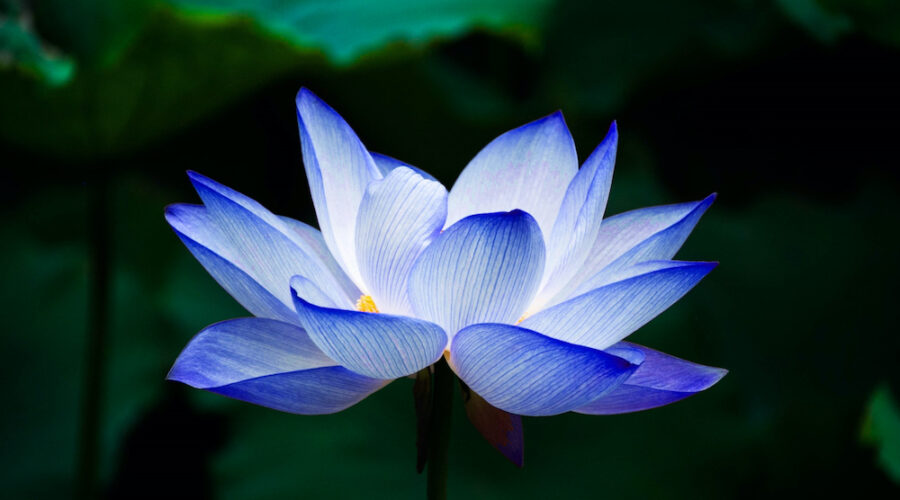
The Relaxing, Anti-Anxiety Mystery of the Blue Lotus Flower
Last reviewed and updated: June 23, 2026.
Key Takeaways
| Active compounds | Nuciferine (D2 antagonist + 5-HT2A activity) and aporphine (dopaminergic) — mild psychoactive effects; not hallucinogenic at typical doses |
| Legal status | Legal and unscheduled in most U.S. states and countries; Louisiana exception (2005 ban); unregulated for quality control |
| Effects | Mild relaxation, anxiety reduction, gentle euphoria, mild sedation; onset 20–40 min (tea); duration 2–4 hrs |
| Key warning | Do not combine with CNS depressants (alcohol, benzos, opioids) — potentiation risk; do not drive after use |
| Preparation | Steep 3–5g dried flowers in 175–190°F water for 10–15 min; or in warm white wine (traditional); buy from reputable tested sources |
The enchanting blue lotus flower, scientifically known as Nymphaea caerulea, has captivated humans for centuries with its mystical allure and stunning blue petals. Originating from the Nile region, this aquatic plant holds cultural, historical, and medicinal significance. In this comprehensive guide, we will delve into the benefits, potential side effects, and other intriguing aspects of the this beguiling flower.
Unveiling the Rich Tapestry of Blue Lotus History and Culture
The blue lotus flower has deep roots in ancient Egyptian culture, where it played a prominent role in religious ceremonies and was associated with the sun god Ra and the afterlife. Its symbolic importance is depicted in various rituals and art forms, showcasing its reverence in ancient society.
New: Interested in Being Part of a Psychedelics-Focused Clinical Trial? Sign Up Here
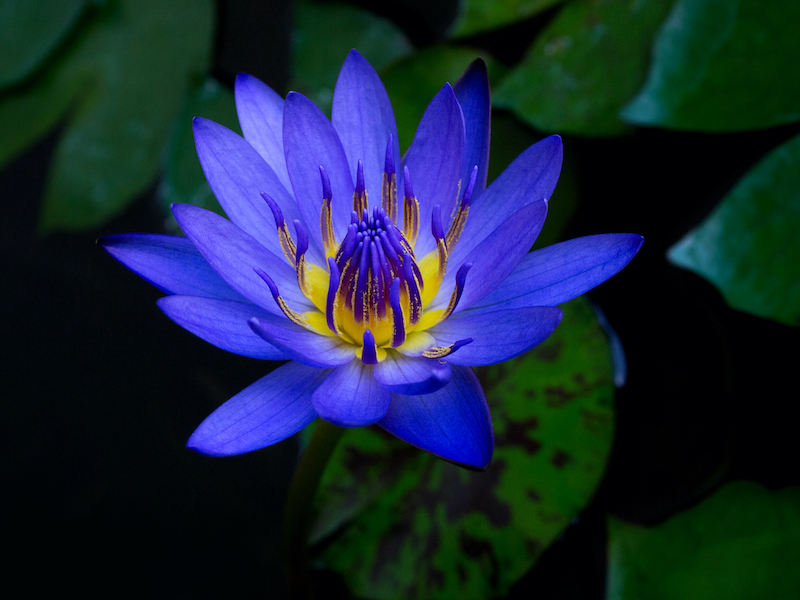
Discovering the Potential Benefits of Blue Lotus Flower
The blue lotus offers a range of potential benefits that have been cherished by cultures throughout history. But there’s not a lot of clinical research on it. Let’s explore some of its most remarkable potential qualities:
1. Relaxation and Stress Relief
One of the most well-known properties of the blue lotus flower is its ability to induce relaxation and provide natural stress relief. This can be attributed to the presence of compounds that have a calming effect on the nervous system, making it a popular choice for those seeking a natural remedy for stress.
2. Mood Enhancement
Many users report experiencing mood enhancement after consuming blue lotus flower products. This subtle euphoria can contribute to an improved sense of well-being and mental clarity. Incorporating it flower into your self-care routine may help uplift your mood and promote a positive mindset.
3. Aphrodisiac Properties
In various cultures, it has been associated with romance and intimacy. Its potential aphrodisiac properties have led to its use in traditional practices aimed at enhancing the romantic experience. By incorporating it into your intimate moments, you may deepen your connection with your partner and create a more sensual atmosphere.
4. Improved Sleep Quality
The calming effects of the flower extend to promoting better sleep quality. Many individuals use it as a natural remedy for insomnia, finding that it helps them relax and unwind before bedtime. If you struggle with sleep issues, adding it to your nighttime routine may help you achieve a restful night’s sleep.
5. Lucid Dreams?
It has recently garnered attention for its potential to induce lucid dreams. It contains compounds like apomorphine and nuciferine. Both of which are believed to interact with the brain’s dopamine and serotonin receptors. Such interactions are thought to potentially heighten sensory experiences and alter states of consciousness, paving the way for vivid and lucid dreaming. When consumed in the form of tea or extracts, the BLF might act as a catalyst for entering a dream state where one becomes fully aware and can exert control over the dreamscape. This remarkable ability to bridge the conscious and subconscious realms has intrigued both dream enthusiasts and researchers alike, suggesting a fascinating area for further scientific exploration into the mysteries of our mind and the ethereal world of dreams.
5. Anti-Anxiety Effects
While research is still ongoing, preliminary studies suggest that certain compounds in the blue lotus flower may have anti-anxiety effects. These compounds may help reduce symptoms of anxiety, providing a potential natural alternative to pharmaceutical interventions. However, it is important to note that further studies are needed to fully understand and validate these potential benefits.
RELATED: Can You Smoke Blue Lotus Flower?
Exploring the Depths: How to Experience Blue Lotus Flower
There are several methods to experience the benefits of the blue lotus flower. Here are some popular ways to incorporate it into your routine:
1. Blue Lotus Tea
One of the most traditional and popular ways to enjoy the blue lotus flower is by brewing a calming tea. Steeping the dried flowers in hot water releases its compounds, creating a fragrant and soothing beverage. Sipping on a cup of blue lotus tea can be a delightful and relaxing experience.
2. Tinctures and Extracts
For a more concentrated experience, some individuals opt for blue lotus flower tinctures or extracts. These products are created by extracting the active compounds from the plant, providing a potent form of blue lotus. They can be easily added to beverages or consumed directly for a stronger effect.
3. Aromatherapy
The blue lotus flower has a delightful fragrance that can be enjoyed through aromatherapy. Essential oils derived from the flower can be diffused or applied topically, allowing you to experience its calming and mood-enhancing properties in a different way. Incorporating blue lotus flower essential oil into your self-care routine may help create a serene and peaceful environment.
4. Bath Soaks
Indulge in a luxurious bath experience by adding dried blue lotus flowers or blue lotus flower essential oil to your bathwater. This can create a soothing and aromatic atmosphere, promoting relaxation and rejuvenation. Soaking in a blue lotus-infused bath can be a wonderful way to unwind after a long day.
Navigating the Waters: Potential Side Effects of Blue Lotus Flower
While it is generally considered safe when used responsibly, it is important to be aware of potential side effects. Here are some possible considerations:
1. Mild Sedation
Some users may experience mild sedation, especially when consuming higher doses of blue lotus. It is advised to avoid activities that require full attention, such as driving, when under the influence of blue lotus flower.
2. Allergic Reactions
As with any botanical substance, there is a potential for allergic reactions. Individuals with known allergies to similar plants should exercise caution and, if necessary, consult with a healthcare professional before using blue lotus flower products.
3. Gastrointestinal Discomfort
In some cases, the consumption of blue lotus may lead to mild gastrointestinal discomfort. Starting with a small dose and gradually increasing can help minimize the risk of these effects. It is essential to listen to your body and adjust the dosage accordingly.
4. Medication Interactions
Individuals taking medications, particularly those with sedative effects, should consult with a healthcare provider before incorporating blue lotus flower into their routine. There is the potential for interactions that could impact the effectiveness of certain medications.
Cultivating a Responsible Relationship with Blue Lotus Flower
To fully enjoy the benefits of the this flower while minimizing risks, it is important to cultivate a responsible relationship with it. Here are some guidelines to consider:
1. Start with a Low Dose
When trying it for the first time, start with a low dose to gauge your individual sensitivity and response. This approach allows you to gradually explore its effects without overwhelming your system. It is always better to start with caution and adjust the dosage as needed.
2. Choose High-Quality Products
When purchasing blue lotus flower products, it is important to choose high-quality options. This ensures that you are getting a reliable and consistent experience. Look for reputable brands and sources that prioritize quality and transparency.
3. Personal Intention
Before incorporating blue lotus flower into your routine, clarify your intentions. Whether you are seeking relaxation, mood enhancement, or a connection to ancient traditions, having a clear purpose can guide your experience and help you derive the most benefit from it.
The Future of Blue Lotus Flower Research
While the historical and anecdotal evidence surrounding the blue lotus flower is fascinating, ongoing research is shedding light on its potential therapeutic properties. Scientists and researchers are exploring its broader applications in the realms of mental health and holistic well-being. As our understanding of this mystical flower deepens, we can expect to uncover more of its secrets and benefits.
Blue Lotus in 2025: What the Research Shows and What to Know Before Using
Blue lotus (Nymphaea caerulea) has surged in popularity as interest in legal, mild psychoactive plants has grown. Here is the current evidence and safety context.
The active compounds: nuciferine and aporphine. Blue lotus contains several alkaloids, with nuciferine and aporphine being the most studied. Nuciferine acts as a dopamine D2 receptor antagonist and has also shown 5-HT2A (serotonin) receptor activity — the same receptor that classical psychedelics like psilocybin and LSD primarily target, though blue lotus acts at much lower potency and through a different pharmacological profile. Aporphine has dopaminergic activity. The mild psychoactive effects of blue lotus — relaxation, mild euphoria, gentle visual enhancement, and reduced anxiety — are attributed primarily to these alkaloid interactions. The research base on nuciferine in humans is limited; most studies are preclinical. The effects are reliably mild compared to classical psychedelics, which is part of its appeal as a legal option.
Legal status in 2025: mostly unscheduled but with some restrictions. Blue lotus is legal in most U.S. states and most countries — it is not scheduled under federal law, and psilocybin’s Schedule I classification does not apply. However, a small number of jurisdictions have specifically restricted it: Louisiana banned it in 2005 (under Revised Statute 40:989.1, which prohibits plants containing specific alkaloids used for intoxication), and Poland has restricted it. Always verify current status in your specific jurisdiction before purchasing. Blue lotus is sold as a botanical, incense, or tea in many stores and online. The lack of federal scheduling means it is widely available but also unregulated from a quality-control standpoint.
Consumption methods and harm reduction. Blue lotus is consumed as a tea (dried flowers steeped in hot water), as a tincture in wine (historically), or smoked/vaped. Smoking or vaping provides faster onset but carries the respiratory risks associated with inhaled smoke generally. Tea preparation produces a gentler, slower-onset effect. Effects typically begin within 20–40 minutes of tea consumption and last 2–4 hours. The most important harm reduction considerations: (1) avoid combining with other CNS depressants (alcohol, benzodiazepines, opioids) — blue lotus’s sedative and CNS-active compounds can potentiate these; (2) do not use before driving or operating machinery; (3) pregnant or breastfeeding individuals should avoid it (insufficient safety data); (4) people on antipsychotic medications should be aware of nuciferine’s dopamine receptor activity.
Frequently Asked Questions
What does blue lotus feel like?
Blue lotus produces mild psychoactive effects that are reliably gentler than classical psychedelics. Most users report: mild relaxation and anxiety reduction; a warm, slightly euphoric feeling; gentle visual enhancement or dreamlike quality (particularly with higher doses); and mild sedation. The experience is often compared to a moderate dose of cannabis in terms of intensity — perceptible but not overwhelming. The onset via tea is gradual (20–40 minutes), with effects lasting 2–4 hours. Effects at typical doses are not hallucinogenic in the classical sense — there are no geometry or ego-dissolution effects at reasonable quantities. People with anxiety specifically often report it as calming without the dissociative quality of some other anxiolytics.
Is blue lotus legal?
Blue lotus (Nymphaea caerulea) is legal in most U.S. states and countries — it is not federally scheduled. Louisiana is a notable exception, having banned plants containing psychoactive alkaloids used for intoxication (2005 law). Poland has also restricted it. The lack of federal scheduling means it is widely available in botanical shops and online. Because it is unscheduled, it is also unregulated for quality control — there is no FDA oversight of purity, potency, or adulteration for blue lotus products sold as botanicals. Buy from reputable suppliers who test their products and can verify species authenticity (Nymphaea caerulea specifically, not substitutes).
How do you prepare blue lotus tea?
Standard blue lotus tea preparation: bring water to just below boiling (around 175–190°F / 80–88°C) — not a full boil, which can degrade alkaloids. Steep 3–5 grams of dried blue lotus flowers in the hot water for 10–15 minutes. Strain and drink. You can add honey or lemon to improve the slightly bitter flavor. Some people steep the flowers in warm white wine (the traditional Egyptian preparation) rather than water. Effects begin within 20–40 minutes; start with a moderate amount and wait before adding more. Combining with alcohol (wine or otherwise) amplifies the sedative effects — adjust quantity accordingly and avoid combining at higher doses.
What are the risks of blue lotus?
Blue lotus’s primary risks: (1) CNS depressant combinations — avoid combining with alcohol, benzodiazepines, or opioids; the sedative effects can potentiate these substances unpredictably. (2) Driving and machinery — even mild sedation impairs reaction time; do not drive after use. (3) Antipsychotic interactions — nuciferine’s dopamine D2 antagonism could interact with antipsychotic medications that work on the same receptor; consult a doctor before use if on antipsychotics. (4) Pregnancy — insufficient safety data; avoid during pregnancy or breastfeeding. (5) Quality control — unregulated product means variable potency and occasional mislabeling; buy from tested, reputable suppliers. (6) Respiratory risks from smoking/vaping — if you choose to smoke, standard inhaled-smoke respiratory risks apply.