
Kanna: The Legal, Natural ‘Heart Opener’ Similar to MDMA
Last reviewed and updated: June 21, 2026.
Key Takeaways
| Mechanism | Serotonin transporter (SERT) inhibition + PDE4 inhibition — distinct from MDMA; closer to mild SSRI-plus-nootropic |
| Effects | Mood elevation, calm well-being, reduced anxiety, mild empathogenic warmth; no visual hallucinations; 1–3 hour duration |
| Key research | Zembrin RCT: improved cognitive flexibility + executive function; amygdala reactivity reduction (anxiolytic mechanism) |
| Critical safety | DO NOT combine with SSRIs, SNRIs, MAOIs, tramadol — risk of serotonin syndrome (potentially life-threatening) |
| Legal status | Legal in U.S., UK, most of Europe, Australia; not FDA-approved for health claims |
You may have heard of a new psychoactive (but not psychedelic) substance called kanna. Some people are using it to treat depression, anxiety and other issues. While others are calling it ‘nature’s MDMA’. The truth is it has been around for centuries. Here’s everything you need to know about kanna.
Interested in joining a Psychedelics Clinical Trial? Sign up here now and we will connect you with a clinical trial in your area when one becomes available.
What is Kanna?
Of the 200+ psychoactive plants that have been identified around the world, nearly 90% originate in the Americas. Kanna is a rare exception to the norm.
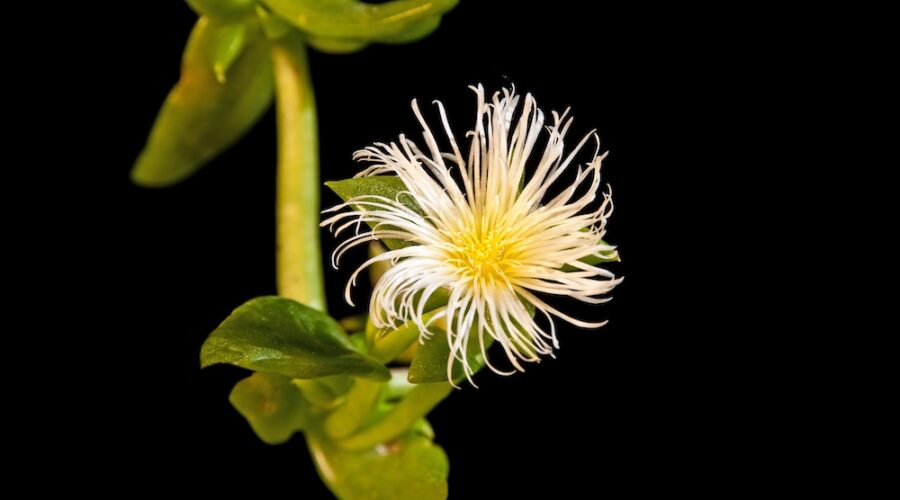
Kanna, also known as Sceletium tortuosum, (and also goes by the names Channa and Kougoed) is a succulent plant native to South Africa that has been used for centuries by the San and Khoikhoi people. They have traditionally used it as a mood enhancer, appetite suppressant, and pain reliever. In recent years, it has gained popularity as a recreational drug and natural remedy for anxiety, depression, and stress.
RELATED: FDA Warns Against Amanita Muscaria Mushroom Edibles
While the plant is believed to have been used by native African peoples of the San and Khoikhoi tribes for millennia, one of the first known instances where it was documented was in 1685 by Dutch colonist and Cape of Good Hope Governor Simon van der Stel. van der Stel wrote that kanna had a “curious, stimulating effect” on the local tribesman.
Academics Gericke and Viljoen wrote one of the most comprehensive articles on kanna in 2008. They said that the plants had been used “for the relief of thirst and hunger, to combat fatigue, as medicines, and for social and spiritual purposes by San hunter-gatherers (historically referred to as Bushmen) and Khoi pastoralists (historically referred to as Hottentots) for millennia before the earliest written reports of the uses of these plants by European explorers and settlers.”
The active compounds in kanna, known as mesembrine alkaloids, have been shown to have anxiolytic (anxiety-reducing) and mood-enhancing effects. They work by inhibiting the reuptake of serotonin, dopamine, and norepinephrine, which are neurotransmitters that play a key role in regulating mood, motivation, and emotional well-being.
RELATED: Our 5 Favorite Kanna Extracts, Capsules and Products
What Does Kanna Feel Like?
There’s a reason that many people refer to it as the legal and natural version of MDMA, and a “heart opener.” When taken in doses larger than microdoses, kanna has a rather powerful calming yet euphoric effect that increase levels of empathy (something we all could use a little more of.) It can reduce anxiety while making your body feel light and stimulated. This makes it ideal for building community and connection with those who take it together. This “heart opening” creates a feeling of a safe space and connection that can be profound in some.
When taken as a microdose it can have a wide range of effects — from helping with mood, depression, energy, focus and anxiety.
How is Kanna Consumed?
The term kanna literally means to chew or chewable. And while some people chew the plant, it is available in various forms. Including raw plant material, extracts, teas, capsules, tinctures, and powders. It can be bought online or at some health food stores and alternative medicine shops. However, it is important to note that the production and sale of kanna are not regulated in most countries. So the quality and purity of the products can vary widely
Kanna Dosage Guide
One of the most interesting aspects of kanna is that it can be consumed any number of ways. Each method of consumption provides slightly different results. Which allows you to find the best way that’s suited for you.
Chewing Kanna — the most traditional form of kanna consumption:
Microdose: 10-30 mg
Light: 50-150 mg
Common: 150-250 mg
Strong: 300-500 mg
Pros of chewing kanna: You get to feel like you’re consuming kanna in the most authentic way possible.
Cons of chewing kanna: Chewing plant matter, swallowing your saliva and spitting out what’s left can get a little messy. Even if you combine it with flavored chewing gum.
Kanna capsules — the most common form of consumption:
Microdose: 3-20 mg
Light: 500-750 mg
Common: 750-1500 mg
Strong: 1500-2500 mg
Kanna Tea
Microdose: 100 mg
Light: 200 mg
Common: 400 mg
Strong: 800 mg
Pros of kanna capsules and tea: Capsules are the easiest way to consume kanna. And that’s also why it’s the most common.
Cons of kanna capsules and tea: There’s no glaring cons to kanna capsules or tablets. But kanna tea isn’t as potent as the capsules. The lack of potency isn’t necessarily a con, but just know that kanna tea is better suited for relaxation. And kanna tea doesn’t taste great.
Sublingual Tincture — held under the tongue; liquid form:
Microdose: 5-25 mg
Light: 50-100 mg
Common: 100-200 mg
Strong: 200-300 mg
Pros of sublingual consumption: Holding a kanna tincture under your tongue is a great way to consume lower doses of kanna.
Cons of sublingual kanna consumption: Most brands that offer kanna sublinguals deliver it with an extremely powerful minty flavor. Which makes it difficult to consume a lot of it. Be prepared.
Smoking or Vaping:
Light: 50-100 mg
Common: 100-200 mg
Strong: 200-400 mg
Pros of vaping kanna: Vaping or smoking allows you to feel the effects of kanna much faster.
Cons of vaping kanna: Be very careful if you’re vaping kanna for the first time as you can easily overdo it. Start extremely low and slow until you figure out what’s best for you.
RELATED: Natural Supplements to Enhance Psychedelic Therapy
How Long Does Kanna Last?
How long a Kanna experience last depends on the way it’s being consumed. Here’s a breakdown of how long the effects of kanna last based on consumption methods:
Chewing Kanna:
How Long it Takes to Kick In: 30-60 minutes
Duration: 3-5 hours
Kanna Capsules:
How Long it Takes to Kick In: 20-60 minutes
Duration: 4-6 hours
Kanna Tea:
How Long it Takes to Kick In: 15-30 minutes
Duration: 1-3 hours
Sublingual Kanna:
How Long it Takes to Kick In: 5-20 minutes
Duration: 1-3 hours
Smoking or Vaping:
How Long it Takes to Kick In: ~1-2 minutes
Duration: 1-2 hours
What are the benefits of Kanna?
While the drug is known for its potentially euophoric effects, there are key differences in the ways that kanna and MDMA effect the human brain that are worth looking into. MDMA produces serotonin, while kanna acts as a serotonin reuptake inhibitor (SRI), meaning that it binds to serotonin receptors and disables them. These serotonin receptors are part of the cannabinoid system. Among other things, the cannabinoid system effects appetite, mood, and energy – explaining why it is generally seen as an appetite suppressant and mood enhancer.
Sinisi, who has used kanna, described the benefits of the drug: “Roughly two hours after consumption, people feel markedly calmer, more content, and happier. The world feels like all is as it should be, and life seems worthwhile.”
Kanna has been studied for its potential therapeutic benefits in several areas, including anxiety, depression, stress, and cognitive function. While there have only been a limited number of studies measuring its effects, there is some evidence demonstrating its positive effects.
Focus
There is some tentative evidence showing that kanna can help with concentration and cognitive ability. In one study, subjects who received a single 25mg or 50mg dose of Zembrin performed better on measures of cognitive function and memory than subjects who were given a placebo.
Stress Reduction
Kanna has also been studied for its potential benefits in lowering stress. In a small study of 10 healthy volunteers, a single dose of kanna extract was found to significantly reduce cortisol levels, a hormone that is often higher in response to stress. However, more research is needed to determine whether kanna can effectively reduce stress in clinical populations.
Two studies published in the Journal of Ethnopharmacology found that kanna extract had anti-depressant and anti-anxioltic effects when given to rats, with the researchers suggesting that kanna may have similar effects in humans.
In a randomized, double-blind, placebo-controlled trial of 36 healthy older adults, a daily dose of kanna extract for four weeks was found to significantly improve cognitive flexibility, attention, and executive function compared to placebo. It’s a small sample size. But it’s promising.
Used as an SRI
A serotonin reuptake inhibitor (SRI) is a type of medication that works by blocking the reuptake of serotonin in the brain. Serotonin is a neurotransmitter that regulates mood, appetite, and sleep, among other functions. SSRIs (Selective Serotonin Reuptake Inhibitors) are a class of SRIs commonly used to treat depression, anxiety, and other mood disorders. By inhibiting the reuptake of serotonin, SSRIs increase the amount of serotonin available in the brain, leading to an improvement in mood and a reduction in anxiety symptoms.
Kanna also works as a serotonin reuptake inhibitor, but it contains a different set of alkaloids than those found in SSRIs. Some research suggests that it may be a promising alternative to traditional SSRIs. Unlike prescription SSRIs, which can take several weeks to start working, kanna can take effect within minutes to hours of ingestion. Additionally, it has a lower risk of side effects compared to traditional SSRIs, making it a potentially safer alternative for those who cannot tolerate the side effects of prescription medications.
What is the legal status of Kanna?
Kanna is not regulated or controlled at the federal level in the United States. However, some individual states have their own laws and regulations regarding the use, sale, and possession of Kanna.
There are no U.S. states that had specifically banned kanna. However, it is important to note that its legal status may change over time, so it is important to check with your local laws and regulations.
In some countries, kanna is regulated or banned. For example, in Australia, kanna is considered a controlled substance, and its use, possession, sale, and importation is illegal without a license or permit. In some European countries, such as Denmark and Switzerland, it is regulated as a medicinal plant, and its use and sale is allowed only under certain conditions. It is important to note that laws and regulations regarding this plant can vary widely depending on the country and jurisdiction, and can change over time, so it is always advisable to check with your local laws and regulations before using or buying anything.
What are the potential risks?
Kanna is generally considered safe. But there is limited research on its long-term effects and potential interactions with other medications or supplements. It is also important to note that the quality and purity of kanna products can vary widely. So it is important to purchase from a reputable source and start with a low dose.
Kanna can cause a range of side effects, including nausea, dizziness, headache, and dry mouth. It may also interact with certain medications, such as antidepressants, so it is important to talk to your healthcare provider before trying kanna if you are taking any other medications.
Kanna in 2025: What Research Says and What to Know About Safety
Kanna (Sceletium tortuosum) has attracted growing interest from both researchers and consumers since its introduction to Western markets. Here is an updated picture of the pharmacology, research, and safety considerations that have emerged.
The pharmacology is better understood than the article title suggests. Kanna is often described as “similar to MDMA” because of its empathogenic and mood-enhancing qualities, but the mechanisms are meaningfully different. Kanna’s primary active alkaloids — mesembrine, mesembrenol, and mesembrenone — work primarily through serotonin transporter (SERT) inhibition (similar in mechanism to SSRIs) and phosphodiesterase 4 (PDE4) inhibition. The PDE4 inhibition is particularly interesting: PDE4 inhibitors reduce inflammation and have been studied for antidepressant and pro-cognitive effects (the prescription drug rolipram is a PDE4 inhibitor). This dual mechanism gives kanna a profile that is distinct from classical psychedelics and from empathogens like MDMA — closer to a mild SSRI-plus-nootropic than a true entactogen.
Human clinical research has expanded. Several small human trials have been published since kanna entered wider Western markets. A 2013 double-blind, randomized, placebo-controlled trial published in the Journal of Ethnopharmacology found that a standardized kanna extract (Zembrin) significantly improved cognitive flexibility and executive function in healthy subjects. A 2014 study using neuroimaging found that kanna extract reduced amygdala reactivity to threatening stimuli, suggesting a potential anxiolytic mechanism. More recent work has examined kanna in the context of depression and stress. While these are small trials and the evidence base is still developing, kanna is one of the better-researched botanical “mild psychoactives” in terms of having published RCT data.
Drug interaction warnings are the most important safety consideration. Because kanna inhibits serotonin reuptake, it carries meaningful drug interaction risks that are not always flagged prominently in popular content: (1) SSRI/SNRI combinations: combining kanna with prescribed antidepressants that affect serotonin can risk serotonin syndrome — a potentially serious and occasionally life-threatening condition involving agitation, high heart rate, hyperthermia, and in severe cases, seizures. (2) MAOI combinations: kanna should not be combined with monoamine oxidase inhibitors (MAOIs), including ayahuasca vine — the combination could cause dangerous serotonin excess. (3) Tramadol and other serotonergic medications: similar caution applies. People taking any serotonergic medication should consult their prescriber before using kanna.
Frequently Asked Questions
What does kanna feel like?
Kanna effects vary by dose and preparation, but users commonly describe: mood elevation and a sense of calm well-being; reduced anxiety and social inhibition; mild empathogenic warmth (the “heart opener” quality in the name); improved cognitive clarity and focus; and at higher doses, mild euphoria. The effects are generally mild compared to classical psychedelics or MDMA — closer to a pleasant, mood-lifting botanical than a strong psychedelic. Effects typically onset within 30–60 minutes (sublingual preparations are faster), last 1–3 hours, and don’t leave an afterglow of the magnitude that MDMA does. There are no visual hallucinations at normal doses.
Is kanna legal?
Yes — kanna (Sceletium tortuosum) is legal to buy, sell, and possess in the United States, the UK, most of Europe, and Australia. It is not scheduled or controlled in most jurisdictions. In South Africa, where it originates, it is legal but regulated as a traditional medicine. The plant is widely available as a supplement in capsule, extract, and powdered form, and is increasingly found in wellness stores and online. As with most botanical supplements, kanna is not FDA-approved for any health claim, and supplement quality varies — purchasing from reputable suppliers who provide third-party testing is advisable.
Can kanna be combined with other substances?
Kanna should not be combined with SSRIs, SNRIs, MAOIs, tramadol, or other serotonergic medications — the combination risks serotonin syndrome, which ranges from mild (tremor, agitation, diarrhea) to potentially life-threatening (severe hyperthermia, seizures, cardiac arrhythmia). This is the most important safety rule for kanna. Combining kanna with alcohol is not recommended — the interaction may increase sedation. Kanna and cannabis are sometimes combined anecdotally, but this combination is not well-studied. Because kanna has SSRI-like properties, anyone on a prescription medication that affects monoamine neurotransmitters should consult their prescriber before using kanna.
What is the traditional use of kanna?
Kanna has been used by the San and Khoikhoi peoples of southern Africa for centuries — primarily as a mood elevator, appetite suppressant, and social lubricant, often used during long hunts or difficult journeys to reduce fatigue and anxiety. Traditional preparation methods include chewing the plant material (fresh or dried), smoking or snuffing dried powdered plant, or making a tea. The plant was traded extensively among indigenous groups and was documented by Dutch settlers in the Cape Colony in the early 18th century. Contemporary kanna products typically use a standardized Sceletium extract — the alkaloid profile of commercial preparations may differ from traditional preparations depending on the extraction method used.




Hiroki Tamba
November 1, 2025 at 11:38 pmIn Japan, there is abuse of medicons and over-the-counter drugs. What do you think of the purpose of harm reduction? I don’t think it’s regulated in Japan yet