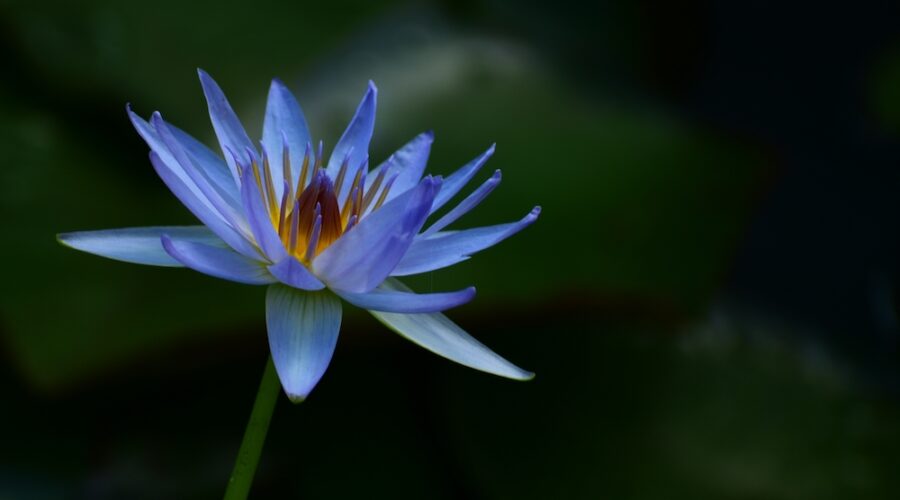
Can You Smoke Blue Lotus Flower?
Last reviewed and updated: June 20, 2026.
Key Takeaways
| Federal legal status | Not DEA-scheduled; FDA doesn’t approve it as a safe supplement; products with drug claims face enforcement risk |
| State restrictions | Louisiana has specifically banned it; several states include it in designer drug statutes — check your state |
| Active compounds | Apomorphine (dopamine agonist) + nuciferine (dopamine antagonist) — mild sedating, euphoric, potentially dream-enhancing effects |
| Effect profile | Mild relaxation, subtle euphoria, no hallucinations; onset 5–15 min smoked; duration 1–2 hrs; modest effect ceiling |
| Safety note | Dopaminergic activity creates theoretical interactions with antipsychotics, Parkinson’s drugs, MAOIs; cardiovascular caution at higher doses |
Have you ever wondered if you can smoke Blue Lotus flower? We’re here to demystify this ancient practice and provide you with all the information you need.
Can You Smoke Blue Lotus Flower?
While the Blue Lotus flower is primarily consumed as a tea or taken orally as an extract, some people do choose to smoke it. Smoking Blue Lotus flower involves drying the petals and leaves, and then rolling them into cigarettes or smoking it in a pipe.
People say that smoking Blue Lotus flower produces a mild sedative effect, inducing relaxation and altered states of consciousness. Users often claim it enhances meditation and promotes calmness. However, it’s important to recognize that these claims primarily come from anecdotal evidence, as scientific research on the effects of smoking Blue Lotus flower remains limited.

Effects and Benefits of Smoking Blue Lotus Flower
Smoking Blue Lotus flower is reported to have various effects and benefits. Many individuals who smoke Blue Lotus flower claim that it induces a gentle euphoria, reduces anxiety, and enhances mood. It is often described as a mild sedative that can promote relaxation and alleviate stress.
Some users have reported experiencing enhanced creativity and a heightened sense of awareness when smoking Blue Lotus flower. The altered states of consciousness that can be achieved through smoking Blue Lotus flower are often compared to those induced by other psychoactive substances, albeit to a milder degree.
Is Smoking Blue Lotus Flower Legal?
The legal status of smoking Blue Lotus flower varies from country to country. In some places, it is legal and readily available, while in others, it may be classified as a controlled substance or have restrictions on its use.
Before attempting to smoke Blue Lotus flower, it is crucial to research and understand the legal implications in your specific location. It is always recommended to comply with local laws and regulations to avoid any legal consequences.
How to Smoke Blue Lotus Flower
If you decide to smoke Blue Lotus flower, it’s important to know the proper method to ensure a safe and enjoyable experience. Here’s a step-by-step guide on how to smoke Blue Lotus flower:
- Begin by sourcing high-quality Blue Lotus flower. Look for reputable suppliers who offer organic and pesticide-free products to ensure the best possible experience.
- Dry the petals and leaves of the Blue Lotus flower. You can do this by spreading them out on a clean surface and allowing them to air dry naturally. Avoid using excessive heat, as it can degrade the flower’s potency.
- Once dried, break the petals and leaves into smaller pieces. This will make it easier to roll into cigarettes or pack into a pipe.
- If rolling cigarettes, use rolling papers or pre-made cigarette tubes. Place a small amount of the dried Blue Lotus flower into the rolling paper or tube, and carefully roll it into a cigarette shape.
- If using a pipe, pack the dried Blue Lotus flower into the bowl of the pipe. Light it using a lighter or match, and inhale the smoke slowly and steadily.
- Start with a small amount and gradually increase if desired. Remember that the effects of smoking Blue Lotus flower can vary from person to person, so it’s important to find the right dosage for yourself.
Remember to always smoke Blue Lotus flower in a well-ventilated area and be mindful of fire safety. Additionally, it’s advisable to start with a low dosage to gauge your sensitivity and tolerance before increasing the amount.
Where to Buy Blue Lotus Flower for Smoking
If you’re interested in purchasing Blue Lotus flower for smoking, it’s important to find a reputable supplier. Look for sellers who provide high-quality, organic products to ensure the best possible experience. Online botanical stores and specialized herbal retailers are often good sources for Blue Lotus flower.
Before making a purchase, read customer reviews and check for any certifications or lab testing conducted by the supplier. This will help ensure that you’re getting a genuine and safe product.
Here are some websites where you can buy Blue Lotus Flower for smoking:
- Smokable Herbs – They offer a variety of Blue Lotus products including petals, extracts, and capsules. Their products are priced reasonably and they have various options like extract powders and flower petals.
- Bear Blend – This site offers a limited edition of Blue Lotus Flower smokable herbs. They provide detailed product information and it seems like a specialty item on their site.
- Smokably – They provide Blue Lotus sourced from Sri Lanka, offering both organic flowers and various extract forms. Their site emphasizes the smoothness and calming effects of their product.
- Smoky Haven – Although specific product details weren’t available, Smoky Haven lists Blue Lotus among their offerings. They seem to have a broad range of herbal products.
- Etsy – A variety of sellers on Etsy offer Blue Lotus, including options for organic and sun-dried flowers. Prices and product forms vary, allowing for a range of choices.
Each of these websites has a range of products and prices, so you can explore to find the option that best suits your needs. Remember to always check for the legality and safety guidelines in your region before purchasing.
Precautions and Potential Side Effects
While smoking Blue Lotus flower is generally considered safe when used in moderation, it’s essential to be aware of potential side effects and take necessary precautions. Some individuals may experience mild adverse reactions, including dizziness, nausea, or headaches.
It is important to note that smoking Blue Lotus flower may not be suitable for everyone, especially those with pre-existing medical conditions or individuals taking medications. If you have any concerns or doubts, it is recommended to consult with a healthcare professional before trying this practice.
History and Cultural Significance of Blue Lotus Flower
The Blue Lotus flower, also known as Nymphaea caerulea, boasts a rich history and garners reverence for its spiritual and medicinal properties. Cultures around the world have used this beautiful flower for centuries.
In ancient Egypt, people held the Blue Lotus flower in high regard within their religious ceremonies, considering it a symbol of rebirth and spiritual enlightenment. They often depicted it in wall paintings, sculptures, and hieroglyphics, highlighting its cultural significance.
In traditional Ayurvedic practices, practitioners believe the Blue Lotus flower possesses therapeutic properties. They associate it with calming the mind, relieving stress, and promoting tranquility. People frequently use the flower in meditation and yoga practices to enhance spiritual experiences.
RELATED: Can You Smoke Shrooms? Here’s the Answer
Other Uses of Blue Lotus Flower
Apart from smoking, the Blue Lotus flower has various other uses. One of the most popular methods of consumption is through brewing Blue Lotus tea. The petals and leaves of the flower are steeped in hot water, creating a fragrant and relaxing beverage.
Blue Lotus flower is also available in various forms, including tinctures, extracts, and capsules. These alternative methods of consumption offer convenience and ease of use for individuals who prefer not to smoke or brew tea.
Just Be Careful
While smoking Blue Lotus flower may not be as common as other consumption methods, various cultures have used it for centuries for its reported effects on relaxation and altered states of consciousness.
However, it’s crucial to exercise caution when smoking Blue Lotus flower, due to the limited scientific research on its effects and potential risks.
Whether you choose to explore smoking Blue Lotus flower or opt for other forms of consumption, the Blue Lotus flower continues to captivate and intrigue individuals seeking spiritual and medicinal benefits.
Blue Lotus Legal Status and What Research Says in 2025
Blue lotus (Nymphaea caerulea) has been federally unscheduled in the United States since this article was written, but its regulatory status has become more complicated at the state level and in terms of FDA enforcement posture. Here is what you should know.
The FDA has issued warnings about blue lotus products. While blue lotus remains unscheduled federally, the FDA does not recognize blue lotus as a safe food additive or dietary supplement ingredient. In recent years, the FDA has issued import alerts and warning letters to companies marketing blue lotus products with drug claims — particularly products marketed as sleep aids, anxiety relievers, or mood enhancers. The enforcement target is typically the drug claims being made about the products, not the botanical itself. This means plain blue lotus flower (dried petals, raw botanical) occupies a gray area, while products marketed with health claims can face regulatory action. The practical effect for consumers: raw blue lotus flower is largely available online, but manufactured products with specific health claims have been targeted.
State-level restrictions have emerged. Louisiana became one of the first states to specifically ban blue lotus (Nymphaea caerulea and related species) under its “synthetic cannabinoids” statute — which is a somewhat imprecise classification since blue lotus is not a cannabinoid, but illustrates how state regulators have begun addressing novel botanicals. Several other states have listed blue lotus under their “designer drug” statutes. Before purchasing or using blue lotus, checking your specific state’s controlled substances schedule is advisable, as the landscape has shifted since the plant was widely considered freely available everywhere.
What the pharmacology actually says. Blue lotus contains two primary psychoactive compounds: apomorphine and nuciferine. Apomorphine is a dopamine agonist (it also has uses in clinical medicine, including treatment of Parkinson’s and as an emetic). Nuciferine is a dopamine antagonist/aporphine alkaloid. Both compounds have mild psychoactive properties. The sedating, mildly euphoric effects reported by users are likely attributable to this dopaminergic activity rather than any serotonergic or cannabinoid mechanism. The effect profile — mild relaxation, slight euphoria, enhanced vivid dreaming when taken before sleep — is pharmacologically coherent with what these compounds would be expected to produce at the doses found in typical consumption amounts.
Frequently Asked Questions
Is blue lotus legal in the United States?
Blue lotus (Nymphaea caerulea) is not a federally scheduled controlled substance in the United States — it is not listed on the DEA’s Controlled Substances Act schedules. However, the legal picture is not uniformly permissive: Louisiana has specifically banned blue lotus under state law; several other states have included it in designer drug or novel botanical statutes. The FDA does not recognize blue lotus as a safe food or supplement ingredient and has issued warning letters to companies making health claims about blue lotus products. The practical answer: federal law doesn’t prohibit it, but state-level restrictions exist in some states, and products making drug claims can face FDA action regardless of federal scheduling status.
What does smoking blue lotus actually do?
The active compounds in blue lotus — apomorphine (a dopamine agonist) and nuciferine (a dopamine antagonist/aporphine alkaloid) — produce mild psychoactive effects at typical consumption doses. Smoked, the reported effects include mild relaxation, a subtle euphoric warmth, and slight visual softening. The effects are mild by psychedelic standards — there are no hallucinations, ego dissolution, or significant perceptual changes. Some users smoke blue lotus before sleep specifically for its reputation for enhancing vivid or lucid dreaming, which the apomorphine content makes pharmacologically plausible (dopamine plays a role in REM sleep regulation). Onset when smoked is 5–15 minutes; duration typically 1–2 hours. The effect ceiling is modest — blue lotus does not produce strongly dose-dependent escalating effects the way classical psychedelics do.
Is smoking blue lotus safe?
The specific safety profile of smoked blue lotus is not well-studied in formal clinical research. General considerations: inhalation of any smoke (from botanical material) carries the general risks of combustion byproducts on the respiratory system, including irritants and potential carcinogens from the combustion process itself — this is not unique to blue lotus but applies to any smoked botanical. The psychoactive compounds (apomorphine, nuciferine) have established pharmacology from other contexts; at doses in typical blue lotus use, they are not expected to produce dangerous effects in most healthy adults. Interactions with medications that affect dopamine (antipsychotics, Parkinson’s drugs, MAO inhibitors) are theoretically possible given the dopaminergic activity. People with cardiovascular conditions should be cautious — apomorphine has cardiovascular effects at higher doses.
How does blue lotus compare to other mild psychoactive plants?
Blue lotus occupies a similar category to other legal, mild psychoactive botanicals like kava (GABA-ergic, mild anxiolytic), kratom (opioid receptor agonist, more potent and with more significant dependence risk), and damiana (mild mood-lifting herb). Blue lotus is considerably milder than kava in its effects and carries less documented health risk than kratom. It is most comparable to damiana in effect profile — both are mild enough that many users notice little to nothing on their first experience. Blue lotus has a longer historical and cultural record than most of these alternatives, with documented use in ancient Egyptian religious and celebratory contexts. None of these alternatives are substitutes for classical psychedelics or entactogens in terms of depth or intensity of experience.