How Media Outlets Are Reacting to Trump’s Psychedelics Executive Order
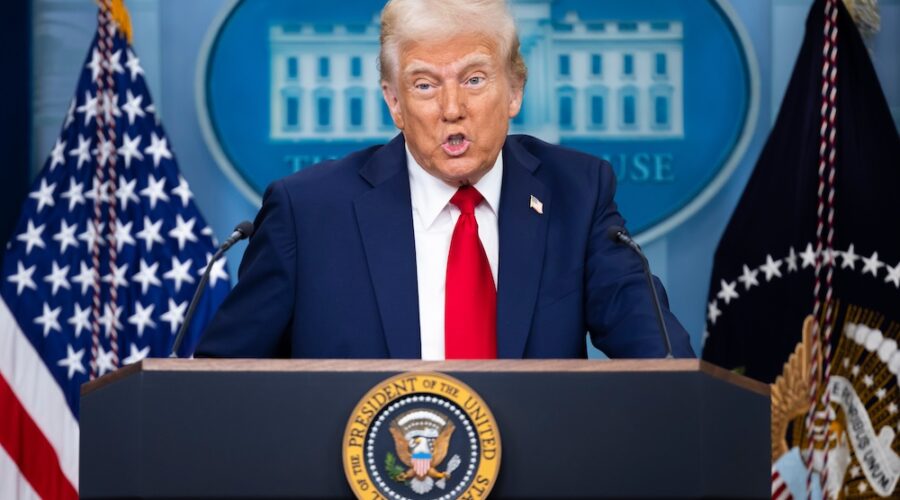
President Trump’s executive order on psychedelic access has pushed a once fringe issue into the center of national health policy. The coverage so far shows a clear pattern. Conservative outlets are largely enthusiastic. Business and biotech outlets see a market signal. Mainstream news outlets are more cautious. Legal and progressive voices are focused on safety, access, and whether the order will lead to real change.
Do you work in the psychedelic industry? Save thousands on overhead and other fees by joining the first GPO for ketamine clinics and practitioners. There’s no cost to join and zero obligations. Sign up here!
Outlet Response Overview
| Takeaway | What It Means |
|---|---|
| Overall reaction | Mostly positive, but not without caution |
| Strongest support | Conservative media, biotech outlets, psychedelic policy outlets |
| Biggest concerns | Safety, commercialization, political influence, and implementation |
| Industry signal | Psychedelic medicine is gaining federal legitimacy |
| Ketamine clinic takeaway | Expect more patient interest, more scrutiny, and more pressure to professionalize care |
The reaction is not evenly distributed. Some outlets treated the order as a breakthrough for mental health care. Others saw it as a business catalyst. A smaller group focused on what still needs to happen before access becomes safe, legal, and clinically responsible.
Looking for treatment? Find Spravato clinics (which is covered by insurance) and ketamine clinics closest to you as well as other psychedelic therapies in your area.
Reaction Roundup: 15 Outlets
| Outlet | Sentiment | Essential Take |
|---|---|---|
| Reuters | Very Positive | Treated the order as a concrete regulatory development, especially after the FDA moved to fast track reviews for several psychedelic drug candidates. |
| Associated Press | Positive | Framed the order as significant but complicated, with support from veterans and mental health advocates alongside concerns about safety and political influence. |
| The Guardian | Neutral | Acknowledged the cultural shift around psychedelic medicine while questioning how much the order will change in the near term. |
| Fox News | Very Positive | Presented the order as a major mental health and veterans issue, with emphasis on PTSD, depression, addiction, and breakthrough therapies. |
| The Wall Street Journal | Positive | Focused on political influence, investor interest, and the order’s potential to make the psychedelic medicine sector more credible. |
| STAT | Positive | Placed the order within a broader Republican shift on drug policy, while noting that political momentum is not the same as medical approval. |
| Axios | Positive | Called attention to the regulatory signal, but stressed that access will depend on trained clinicians, delivery models, and clinical infrastructure. |
| NPR | Positive | Described the order as a milestone for advocates who have pushed for psychedelic research and medical legitimacy. |
| Washington Post News Coverage | Neutral | Emphasized both promise and risk, especially around ibogaine, veterans, PTSD, and addiction treatment. |
| Washington Post Opinion, Supportive View | Very Positive | Treated the order as a major opportunity for veterans and patients who have not responded to standard mental health care. |
| Washington Post Opinion, Cautionary View | Negative | Warned that the administration still needs to address safety, evidence, and implementation. |
| Marijuana Moment | Very Positive | Covered the order as a major reform milestone tied to expanded access, research support, FDA guidance, and possible rescheduling pathways. |
| BioPharma Dive | Very Positive | Viewed the order as a validation moment for biotech companies and a sign that psychedelics may become more investable. |
| Forbes | Positive | Framed the order as elevating the medical status of psychedelics and giving the sector more legitimacy. |
| Harvard Petrie Flom Center | Neutral | Treated the order as important but limited, with real impact dependent on what federal agencies can legally and practically do next. |
Reuters
Sentiment: Very Positive
Reuters treated the order as a serious regulatory development, not just a political headline. Its coverage focused on the FDA moving to fast track reviews for several psychedelic drug candidates after the executive order.
For the industry, this is one of the clearest signs that federal agencies may act quickly. Reuters framed the news as meaningful for companies developing psilocybin and related treatments. The tone was practical and market focused.
Associated Press
Sentiment: Positive
The Associated Press took a balanced but generally positive view. Its coverage noted strong support from veterans groups, mental health advocates, and some figures in the Make America Healthy Again movement.
AP also raised concerns about safety and political influence. That made the piece feel measured. It did not dismiss the order, but it made clear that psychedelic access remains complicated.
The Guardian
Sentiment: Neutral
The Guardian approached the order with curiosity and skepticism. Its coverage acknowledged the cultural shift around psychedelic medicine, but questioned how much the order will change in the near term.
The outlet also raised ethical concerns around commercialization, Indigenous knowledge, and who benefits when psychedelic medicine enters the mainstream. Its view was not anti psychedelics. It was cautious about the system forming around them.
Fox News
Sentiment: Very Positive
Fox News framed the executive order as a major mental health breakthrough. Its coverage emphasized veterans, PTSD, addiction, and depression.
The outlet also highlighted the role of Joe Rogan and other public figures who have pushed psychedelic therapies into conservative media spaces. The tone was strongly supportive and focused on potential patient benefit.
The Wall Street Journal
Sentiment: Positive
The Wall Street Journal looked at the order through a business and political lens. Its coverage focused on how psychedelics gained influence in Trump’s orbit and what that could mean for investors.
The tone was optimistic, but not breathless. WSJ treated the order as a credibility boost for a sector that has struggled with hype, funding challenges, and regulatory uncertainty.
STAT
Sentiment: Positive
STAT placed the order within a broader shift in Republican drug policy. Its coverage suggested that psychedelics are no longer just a progressive or counterculture cause.
The article was careful to separate political momentum from medical approval. That distinction matters for clinicians. More attention does not mean broad access will happen overnight.
Axios
Sentiment: Positive
Axios focused on the regulatory and operational impact. Its coverage described the FDA response as a major signal, but noted that access depends on more than approvals.
The key point was delivery. Psychedelic medicine requires trained providers, safe protocols, and real clinical infrastructure. That is where ketamine clinics should pay attention.
NPR
Sentiment: Positive
NPR framed the order as a milestone for advocates who have spent years trying to bring psychedelic medicine into mainstream care.
Its tone was cautiously hopeful. NPR emphasized research barriers, stigma, and the long history of psychedelics being treated as taboo. The order was presented as a meaningful change in federal posture.
Washington Post News Coverage
Sentiment: Neutral
The Washington Post’s news coverage emphasized both promise and risk. It focused heavily on ibogaine, veterans, PTSD, and addiction treatment.
The tone was careful. The coverage recognized that the order could accelerate access, but it also raised safety concerns. That is especially relevant for treatments with cardiac or medical risks.
Washington Post Opinion, Supportive View
Sentiment: Very Positive
One Washington Post opinion piece described the order as a game changer for mental health care. The author focused on veterans and patients who have not responded to conventional treatments.
This was one of the most enthusiastic mainstream reactions. It treated the order as a long needed correction in mental health policy.
Washington Post Opinion, Cautionary View
Sentiment: Negative
Another Washington Post opinion piece took a more cautious stance. It argued that the administration still needs to address safety, evidence, and implementation.
This was not a rejection of psychedelic medicine. It was a warning against moving too fast without building guardrails. For clinicians, that is a familiar concern.
Marijuana Moment
Sentiment: Very Positive
Marijuana Moment covered the order as a major reform milestone. Its coverage emphasized expanded legal access, research support, FDA guidance, and possible rescheduling pathways.
The outlet saw the order as part of a broader shift in federal drug policy. Its tone was strongly favorable and focused on access.
BioPharma Dive
Sentiment: Very Positive
BioPharma Dive viewed the order as a validation moment for biotech companies. Its coverage focused on how the policy could make psychedelics more investable.
That matters for drug developers, clinics, and the broader mental health market. More capital could mean more trials, more infrastructure, and more pressure to define clinical models.
Forbes
Sentiment: Positive
Forbes framed the executive order as elevating the medical status of psychedelics. Its coverage looked at the policy alongside broader changes in cannabis and drug development.
The tone was positive but business minded. Forbes treated the order as a legitimacy signal, not a guarantee that access will become simple or immediate.
Harvard Petrie Flom Center
Sentiment: Neutral
Harvard’s legal analysis treated the order as important, but limited. The key point was that an executive order does not automatically change drug law or clinical access.
The piece focused on what agencies can actually do. That is useful context for clinics. Policy momentum matters, but implementation will decide the real impact.
What This Means for Ketamine Clinics
The reaction is mostly favorable, but it is not one note. Conservative outlets see a mental health breakthrough. Business outlets see a market opportunity. Mainstream outlets see promise with risk. Legal and progressive voices want stronger guardrails.
For ketamine practitioners, the order does not change ketamine’s legal status. It also does not make psilocybin, MDMA, LSD, or ibogaine broadly available today.
Still, the shift matters. Patients may ask more questions. Investors may pay closer attention. New competitors may enter the field. Regulators and insurers may watch the space more closely.
The clinics best positioned for this moment will be the ones that can show clinical seriousness. That means strong screening, clear protocols, medical oversight, outcomes tracking, integration support, and honest patient education.
The outside world is no longer treating psychedelic medicine as a fringe topic. It is treating it as an emerging part of mental health care. That creates opportunity. It also raises the standard for everyone already working in the field.