How Psychedelics Helped a Father Overcome Unspeakable Grief
Last reviewed and updated: May 5, 2026 — medically reviewed by Dr. Ben Medrano, MD.
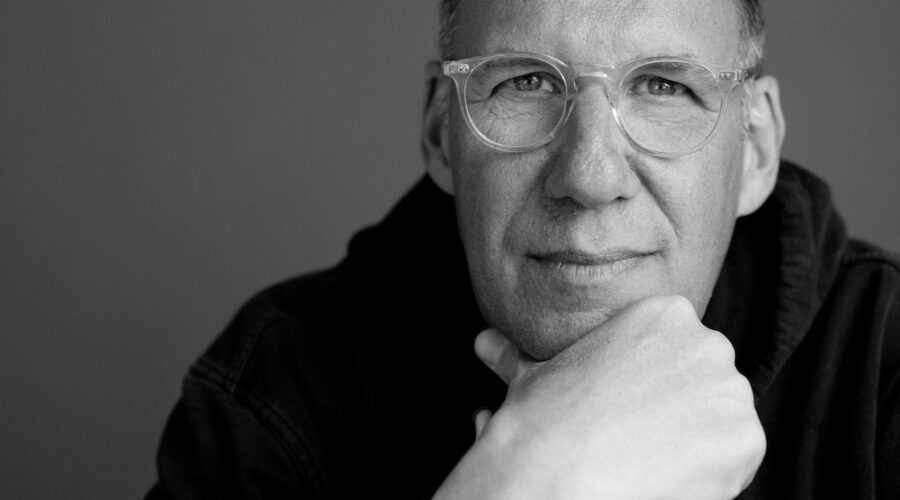
Author Larry Carlat is a grief coach and group leader for bereaved parents at Our House Grief Support Center in Los Angeles, where he also serves on the Board of Directors. His journey into grief counseling began in 2019 after the tragic loss of his son, Rob, to suicide at the age of 28.
In his quest for healing, Carlat, a self-described “proudly cynical agnostic,” found himself exploring unconventional methods, including psychedelics. Despite initial skepticism, he turned to psilocybin mushrooms as a means to process his grief and connect with his son’s spirit.
Looking for treatment? Find ketamine clinics closest to you as well as other psychedelic therapies in your area.
Carlat’s experience with psychedelics proved to be a game changer. He describes it as “the most profound and transformative spiritual experience” of his life, surpassing the benefits he had received from 25 years of traditional talk therapy. Through guided psilocybin sessions, Carlat reported feeling a sense of connection with his son and experiencing emotional breakthroughs that helped him navigate the complex terrain of grief.
His personal journey with psychedelics not only aided in his own healing process but also informed his approach as a grief counselor.
His new book, A Space in the Heart: A Survival Guide for Grieving Parents, is now available for pre-order.
HealingMaps: Could you share how your initial experience with psychedelics helped you process your grief after the loss of your son?
Larry Carlat: It wasn’t so much processing my grief as it was the notion that my son’s spirit is out there somewhere—it exists in some form or fashion and always will. That realization, or maybe call it belief, because that’s what it really is, provided me with incredible comfort. When I saw Rob’s beautiful spirit and his big, beautiful heart while tripping on psilocybin mushrooms, I had such a strong sense of relief knowing that he was good, that he was at peace. It was the most profound and transformative experience I’ve ever had in my life.
HM: Had you had any psychedelic experiences previously?
LC: It took me more than 60 years to screw up the courage to finally try psychedelics. I did a whole bunch of other drugs when I was younger, but psychedelics always seemed like a kaleidoscopic bridge too far. Between hearing about friends’ bad trips and reading too much Hunter S. Thompson when I was teenager, I preferred to stay grounded on the lowest plane of consciousness. In short, it always had scared the shit out of me!
New: Interested in Being Part of a Psychedelics-Focused Clinical Trial? Sign Up Here
HM: What specific aspects of magic mushrooms helped you work through your emotions in ways traditional therapy couldn’t?
LC: The big one for me, tangentially related to grief, was when I “died.” The prospect of my own death has always freaked me out, even more so after Rob took his own life, and I just had a gut feeling that I needed to face this primal fear. That whole “ego dissolution” thing—I saw myself disintegrating and being taken away to a buzzy white space—was breathtakingly beautiful. I remember having the biggest smile on my face and feeling incredibly giddy. So in other words: Fuck talk therapy!
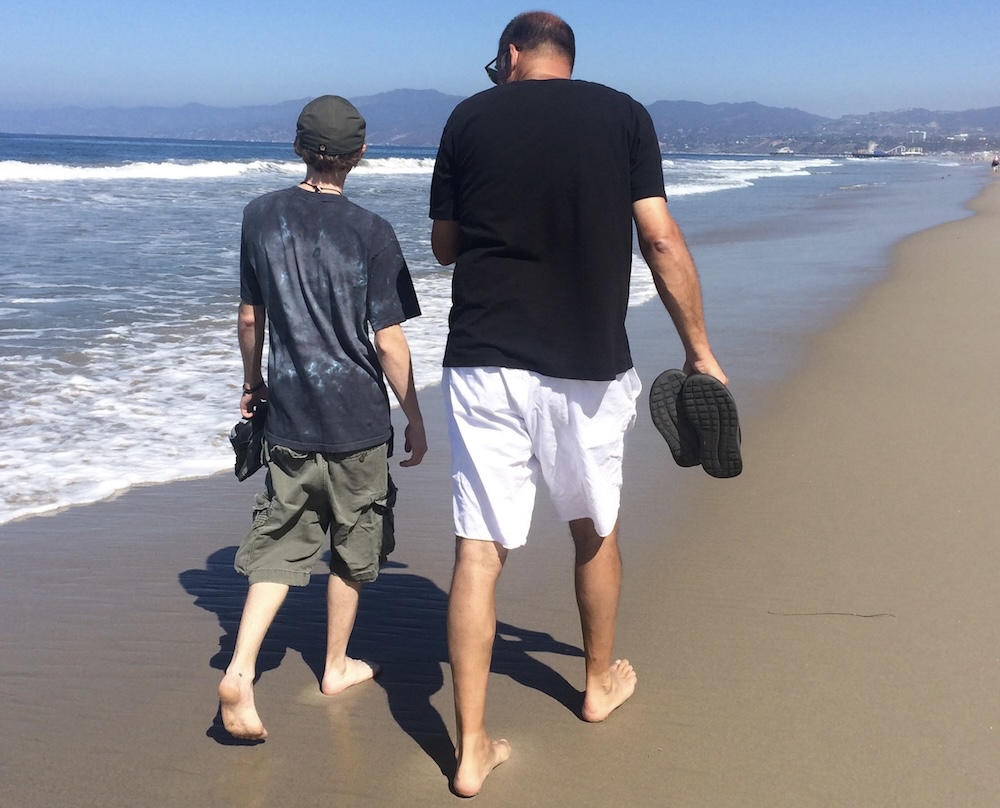
HM: As a father who experienced profound loss, how did you approach your initial psychedelic experiences, and what mindset did you have going into it?
LC: I was scared and excited the first two times I tripped. I was scared of the unknown and particularly, of losing control. At the same time, I was excited as hell. After losing a child, you have this sense of “Screw it! The worst thing in the world has already happened, so bring it on!” I also felt safe. I had an immediate bond with my guide and felt her love from the moment we met. After going on a bunch more trips over the years with her, I now feel even more excited, but I’d be lying if I said I’m no longer a little scared.
Interested in psychedelic therapy? Learn more about Ayahuasca, Ibogaine, and Psilocybin.
HM: How did you navigate the difficult emotions that came up during your experience?
LC: In three words: I let go. The moment I saw Rob’s spirit, I just started sobbing. I felt this incredible connection with him, like our spirits have been connected together for many lifetimes, and I just sort of basked in his presence. I wasn’t really thinking anything at all, I was just being with what felt like his essence.
HM: How has your understanding of grief evolved since incorporating psychedelics into your healing process?
LC: Mushrooms helped me see Rob in a whole other light. After seeing his spirit several times during several psilocybin trips, I know he can hear me and that he’s watching over me. I often feel his presence or at least recognize a sign that he’s dropped by for a visit. How do I know this? How do I know that all the things I hear him say aren’t just the product of my overheated imagination—the Robbie movie endlessly playing in my head? All I can tell you is this: I just know. I just know because that’s what I choose to believe. It feels good to believe. It brings me a measure of comfort and keeps me connected with him. I know Rob lives deep inside of my heart. He always has and always will.
HM: As a grief counselor, how do you incorporate the lessons you’ve learned from your own psychedelic experiences into your work with others?
LC: The biggest lesson I learned and perhaps the most difficult was “letting go.” My trips opened the door and allowed me to let go of the pain in the ass that was Rob in life—as well as the pain in my heart set off by his death. I’ve let go of all of Rob’s bullshit that drove me crazy. I’ve let go of being scared of what Rob might do to us, what he might do to someone else, but mostly what he might do to himself. When I think about Rob today, it’s never about the past or the future. It’s about how I feel about him at this very moment. How much I love him and how much I adore all the good that was inside him. That’s the way I choose to remember him, and that’s what I try to impart to the parents who seek my help.
HM: What advice would you give to those who might be hesitant or unsure about using psychedelics as part of their grief or mental health recovery?
LC: I can’t tell people what to believe in. That’s their cross to bear. I’m merely suggesting that they keep an open mind. I understand if they’re skeptical, because I was skeptical too, but why wouldn’t they want to try something that can possibly give them peace of mind and help heal their heart? There’s nothing to lose and a world of tranquility to gain. And it’s perfectly okay to be afraid. We’re all afraid of the unknown, of what comes next for us, of who we will become after we’ve endured the worst life has to offer. Grief asks more of us than anyone or anything has ever asked. The surprise of your life will come when you discover how much strength and courage has been hiding in your broken heart.
HM: Have you seen a shift in how society views grief, trauma, and mental health through the lens of psychedelic therapy?
LC: I think there’s still a major misconception when people hear the word “psychedelics.” They think back to when they were younger and may have experimented with acid or “shrooms” and they either remember having a super fun time or a terrible experience. I always explain that doing psychedelics with a guide today is not the same thing, how it’s not recreational but purely therapeutic. I’ve become something of a Pied Piper for psilocybin. I feel anyone who has suffered any type of trauma or loss will have some type of a healing experience. I like to joke that I have 100% positive feedback on the Larry Rotten Tomatoes meter from everyone I’ve introduced to mushroom journeys.
Larry Carlat is a grief coach at Grief for Guys and volunteer group leader for bereaved parents at Our House Grief Support Center in Los Angeles and a member of its board of directors. He is also a writer and editor, whose work has appeared in the New York Times Magazine, Esquire, GQ, Rolling Stone, Psychology Today, Men’s Journal, Men’s Health, and Slam. His new book A Space in the Heart: A Survival Guide for Grieving Parents will be published on November 19 by Rowman & Littlefield.