Low-dose Ketamine Shows Promise for Pain Relief in ER Patients
Last reviewed and updated: August 16, 2026.
Key Takeaways
| The use | Low-dose, sub-dissociative ketamine is used in emergency departments for acute pain, either alongside or instead of opioids. |
| Typical dose | Sub-dissociative ketamine for pain is commonly around 0.1 to 0.3 mg/kg IV, far below anesthetic or recreational doses. |
| Why it matters | It is opioid-sparing and valuable amid the opioid crisis, and it avoids the respiratory depression risk of opioids. |
| Safety | At these low doses, side effects are usually mild and short-lived, such as dizziness, a feeling of unreality, or nausea. |
| 2026 standing | Use of sub-dissociative ketamine for acute pain has grown, supported by emergency medicine and anesthesiology groups. |
Could a single dose of ketamine redefine how pain is managed in emergency rooms? A recent study suggests it might. Researchers have found that ketamine, commonly known for its use as an anesthetic and, more controversially, a party drug, may serve as a safe and effective pain relief option for emergency settings.
New: Interested in Being Part of a Psychedelics-Focused Clinical Trial? Sign Up Here
The Study and Its Findings
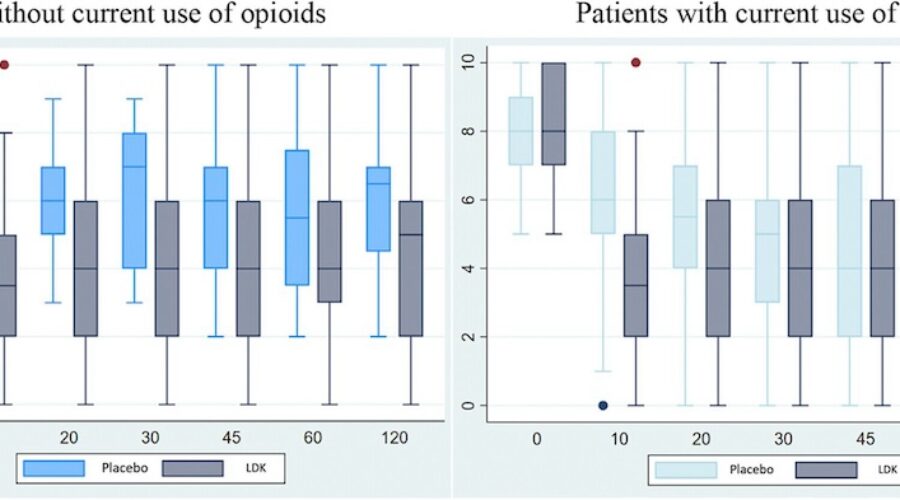
The study explored ketamine’s potential to alleviate pain during emergencies, offering an alternative to opioids. Researchers administered a single dose to patients experiencing acute pain. Results showed that ketamine provided relief comparable to opioids. This suggests it could play a significant role in addressing pain without the risks associated with traditional narcotics.
Opioids, while effective, carry the danger of addiction and overuse. With the ongoing opioid crisis, finding safer alternatives has become a pressing concern for healthcare providers. Could ketamine fill this gap and provide a viable substitute for high-risk medications?

Here is a breakdown comparing the effectiveness of low-dose ketamine to opioids in pain relief in emergency rooms based on the study findings:
| Criteria | Low-Dose Ketamine | Opioids |
|---|---|---|
| Effectiveness | Comparable to opioids for acute pain relief | Effective for acute pain relief |
| Onset of Action | Rapid | Rapid |
| Risk of Addiction | Low risk of addiction | High risk of addiction |
| Respiratory Depression | Minimal or no risk | Significant risk |
| Side Effects | Potential for short-term disorientation or nausea | Risk of nausea, constipation, and sedation |
| Safety in High Doses | Requires careful monitoring, but safer than opioids | Dangerous in high doses; risk of overdose |
| Dependence Potential | Low | High |
| Use in Opioid-Sensitive Patients | Suitable for patients intolerant to opioids | Limited use due to potential adverse effects |
| Research Status | Promising but requires more studies | Long history of use, but growing concerns about safety |
This table highlights the key similarities and differences between ketamine and opioids, showcasing ketamine’s potential as a safer alternative while emphasizing the need for further research to solidify its role in pain management.
The Case for Ketamine
One key benefit of ketamine is its safety profile when used in controlled doses. Emergency room physicians face the challenge of balancing effective pain management with patient safety. Unlike opioids, ketamine does not pose the same risks of respiratory depression or dependency. Its fast-acting nature also makes it ideal for high-pressure environments like emergency rooms.
Does this mean ketamine is the answer? Not quite yet. While the findings are promising, researchers emphasize that more studies are needed to confirm its effectiveness and safety across diverse patient groups.
What’s Next for Pain Management?
If ketamine gains broader acceptance, how might it transform emergency care? Experts are hopeful that it could offer doctors another tool in managing pain. As the medical community continues to address the opioid epidemic, innovations like this are a reminder of the importance of exploring new approaches.
Could ketamine’s expanded use be on the horizon? Time and further research will tell. For now, its potential offers a promising step forward in improving patient care.
Related provider: Gulf Coast NeuroSpa
Related provider: Good Health Psych
Related provider: Mindful Psychedelics
Related provider: Impact Health Clinic, Oxford
Related providers:
Low-Dose Ketamine for ER Pain in 2026
In emergency departments, clinicians use low-dose, sub-dissociative ketamine as an analgesic for acute pain. The typical dose runs around 0.1 to 0.3 mg/kg given intravenously, either alongside opioids or in place of them. These doses sit far below anesthetic or recreational levels. Patients get meaningful pain relief without a full dissociative experience. A growing body of emergency medicine research supports this approach for acute pain.
Sub-dissociative ketamine is opioid-sparing, and that value stands out amid the opioid crisis. It also avoids the respiratory depression that makes opioids dangerous at higher doses. At these low doses, side effects are usually mild and short-lived, such as dizziness, a feeling of unreality, or nausea. For many patients with acute pain, it works as an effective and generally safe option. Clinicians still monitor patients during and after the dose.
Use of sub-dissociative ketamine for acute pain has grown in recent years. Emergency medicine and anesthesiology groups support it as part of opioid-sparing, multimodal pain management. It works best as one tool among several, not as a replacement for all pain treatment. Trained clinicians who can monitor patients get the safest results, so this approach belongs in careful hands alongside other proven methods.
Frequently Asked Questions
- Is ketamine used for pain in the emergency room?
- Yes. Low-dose, sub-dissociative ketamine is used in emergency departments as an analgesic for acute pain, either alongside or instead of opioids. The doses used for pain are far lower than anesthetic or recreational doses, so patients get relief without a full dissociative experience. Its use is supported by emergency medicine groups.
- What dose of ketamine is used for pain relief?
- For acute pain in the ER, sub-dissociative ketamine is commonly given at around 0.1 to 0.3 mg/kg intravenously. This is well below the doses used for anesthesia or that cause a strong dissociative state. The goal is effective pain relief with minimal side effects, often as part of a multimodal pain plan.
- Why use ketamine instead of opioids for pain?
- Low-dose ketamine is opioid-sparing, which matters amid the opioid crisis, and it avoids the respiratory depression that makes opioids dangerous. It can reduce or replace opioid use for acute pain while still providing effective relief. It is one tool in multimodal pain management, not a universal replacement for all pain treatment.
- Is low-dose ketamine for pain safe?
- At the low, sub-dissociative doses used for pain, ketamine is generally safe when given by trained clinicians. Side effects are usually mild and short-lived, such as dizziness, a feeling of unreality, or nausea. Because it avoids opioid-related respiratory depression, it can be a safer choice for certain patients, though monitoring is still important.