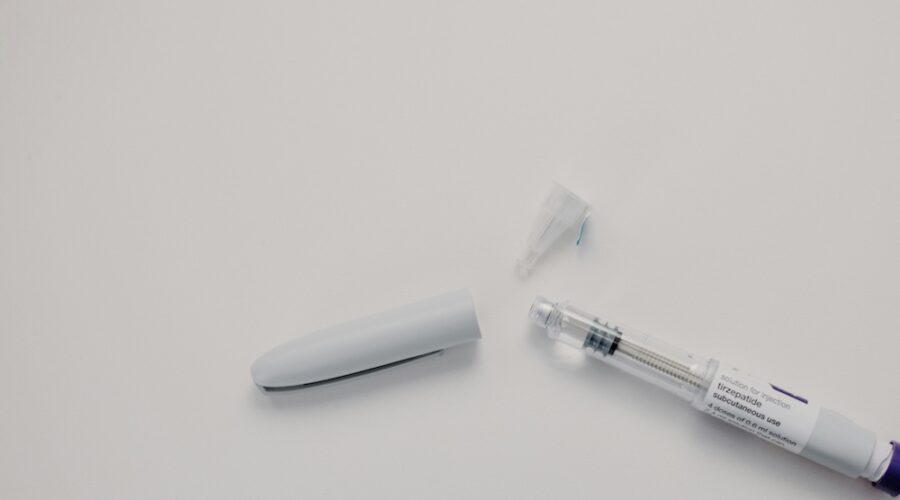
Five Months After Lilly’s B12 Warning, 1 in 7 Tirzepatide Clinics Still Advertises the Combination
In March, Eli Lilly published an open letter warning that compounded tirzepatide mixed with vitamin B12 forms an impurity nobody has characterized. A peer reviewed paper followed in May. Five months later, we checked who is still selling the combination.
The answer: about one in seven clinics that advertise tirzepatide also mention B12 alongside it.
Key Takeaways
| Question | What We Found |
|---|---|
| What did Lilly report? | An impurity formed by a chemical reaction between tirzepatide and B12 analogs |
| When? | Open letter March 12, 2026; peer reviewed paper published May 2026 |
| Is the impurity dangerous? | Unknown. That is the actual concern. It has not been studied in humans |
| How common is the combination? | 13.9% of clinics advertising tirzepatide also mention B12 near it |
| What should clinics do? | Ask your pharmacy what is in the vial and document the clinical reason for any additive |
What Lilly Reported
Lilly tested compounded products combining tirzepatide with B12. The company reported significant levels of an impurity created by a reaction between the two substances. It named three B12 forms in circulation: methylcobalamin, hydroxocobalamin and cyanocobalamin. Lilly also reported bacterial contamination and elevated endotoxin levels in some samples.
The company said it notified the FDA. The full statement is posted in Lilly’s open letter on compounded tirzepatide.
Read the Source With Clear Eyes
Worth stating plainly: Lilly manufactures brand name tirzepatide and competes directly with compounded versions. The company has a commercial interest in this finding. That does not make the chemistry wrong, but it does mean the source is not neutral.
The independent check is the peer reviewed paper. Jordan and colleagues published a study on the impurity in mass compounded tirzepatide and B12 products in Expert Opinion on Drug Safety. They describe a widespread, previously unidentified impurity from a reaction between tirzepatide and certain B12 analogs. Evaluate both, then decide.
How Many Clinics Still Advertise It
HealingMaps checked the public websites of 800 reachable peptide clinics in August 2026, looking for GLP-1 drugs mentioned alongside B12 and other common additives. The same directory underpins our review of 846 peptide clinic menus nationwide.
A note on method. We measured whether B12 appears close to a GLP-1 name in the page text. That signals a bundled product, but it does not prove one. Some clinics sell B12 injections as a separate service and simply list both on one page. Treat the figure as an indicator of how common the pairing is in marketing, not a count of confirmed combination vials.
Why Clinics Add B12 at All
Two reasons, and only one of them is clinical. B12 is sometimes added for energy support in patients eating far less. The other reason is regulatory. Combining a commercially available drug with another ingredient has been used to argue that a compounded version differs meaningfully from the approved product. That reasoning is under pressure as federal enforcement against compounded GLP-1 marketing widens.
That argument now carries a cost. If the additive exists mainly to justify compounding, the chemistry findings undercut the rationale. Our breakdown of an FDA GLP-1 warning letter covers the marketing language that draws attention in this category.
What to Do This Week
Call your compounding pharmacy and ask exactly what is in the vials you dispense. Ask whether any product combines tirzepatide or semaglutide with B12. Ask what stability and impurity testing they run on combination products specifically. If you also run a mood or ketamine service, our look at where those patient populations overlap covers the screening side.
Then look at your own website. If a page advertises a GLP-1 with B12, decide whether you can document a clinical reason for that additive in each patient chart. If you cannot, the combination is doing marketing work rather than medical work, and that is the version worth reconsidering.