
Why Has Growing Magic Mushrooms At Home Suddenly Started To Boom?
Last reviewed and updated: June 17, 2026.
Key Takeaways
| Federal law | Psilocybin remains Schedule I — home cultivation is illegal federally regardless of state or local decriminalization |
| Decriminalization | 12+ cities (Denver, Seattle, Oakland, D.C., Ann Arbor, Detroit, others) have made personal possession the lowest law enforcement priority |
| Spore legality | Spores are legal for microscopy in most states (except CA, GA, ID) because they contain no psilocybin — cultivation becomes illegal when germination begins |
| Why the boom | Mainstream psychedelic coverage, pandemic mental health crisis, high cost of ketamine therapy, decrim expansion, accessible online information |
| Safer legal paths | Ketamine therapy (legal nationwide), Oregon/Colorado psilocybin services, clinical trial enrollment |
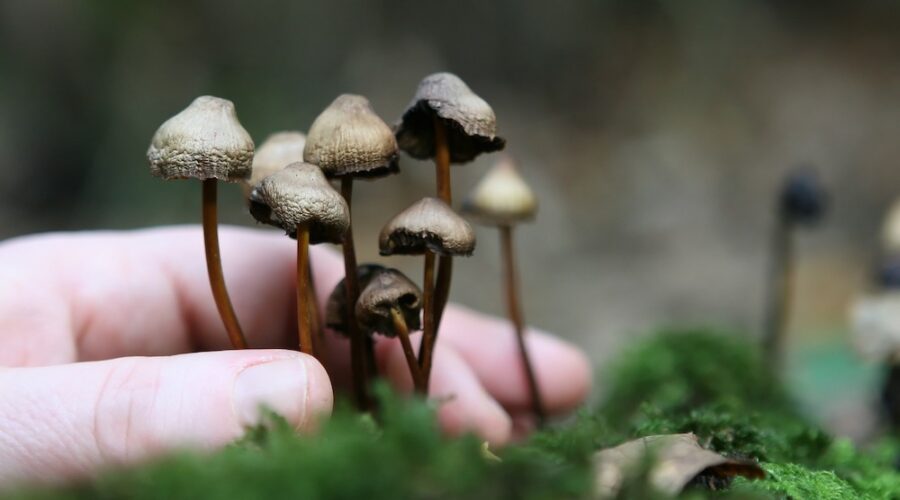
Magic mushrooms — or psilocybin mushrooms — are one of the most abundant types of psychedelics found in nature. There are over 180 species of magic mushrooms, and they grow all over the world. While it’s not too difficult to pick them, this can still involve waiting for the right season, some time spent looking for them, and often some luck as well. This is why many people decide to start growing magic mushrooms.
The practice of growing magic mushrooms at home is also on the rise. But why is this so? There are a few different reasons we can point to, which are worth exploring.
RELATED: These are the 6 Best Mushrooms Growing Kits
More People Are Open To Growing Magic Mushrooms
Mainstream media outlets regularly report on the subject of psychedelics. This usually follows the publication of research on their therapeutic effects. As more people see that psychedelics are both safe and potentially transformative, the result is a decline in psychedelic stigma.
This increased media attention also generates interest in psychedelics among the general public. These factors combine to create an effect where more people are open to trying psychedelics. The practice of microdosing magic mushrooms — and other psychedelics — has become quite popular.
SPECIAL OFFER: Get Your Mushroom Growing Course Bundle Here
Growing Magic Mushrooms At Home Is Often The Best Option
Whether someone is new to psychedelics or not, they may want to use them as safely as possible. Given that magic mushrooms are illegal in most countries, to obtain them, your options include the following.
- Picking them
- Buying them from a dealer
- Purchasing them from the dark web
- Growing them yourself
For many people, the last option is preferable. The other options can seem either too risky or inconvenient.
Identifying and picking them in nature can be risky if you pick the wrong mushroom and it turns out to be a poisonous species. If you buy them from a dealer, you don’t know for certain what species you’re getting (species can vary widely in potency), and they might have mold on them.
Using the dark web can be tricky. You have to figure out how to use specific software so that your personal information stays hidden. Plus, you have to worry about not getting your order, getting scammed, delays, the market going down, or having your package intercepted by law enforcement.
To grow magic mushrooms, you can get all the supplies you need, and then you can start producing your own personal supply of “shrooms“. You don’t have to rely on other people. Growing magic mushrooms ensures that you will have access to the benefits of mushrooms when you need them. It also means you know exactly what type of magic mushroom you’re taking. This, therefore, makes growing mushrooms a popular option — especially penis envy mushrooms.
FROM OUR PARTNER: Want to Save Money in the Long Run? Get Your Own Mushroom Grow Kit Here
DIY Will Also Cost Much Less
Growing magic mushrooms can also save you money. In the U.S., to buy magic mushrooms from a dealer, the cost is about $35 per eighth of an ounce ($10 per gram). In Canada, where magic mushroom dispensaries are opening, the cost is 8-10 times more than the street price of mushrooms in the U.S.
By contrast, you can buy magic mushroom spores for $15-$20. By following the correct steps, and using the right equipment, you could then produce more than 100 times the quantity of mushrooms compared to buying them from a dealer for the same price.
Given that more people want to try magic mushrooms, the peace of mind and cost-saving potential of growing magic mushrooms makes many of these people attracted to this option. Our partner, The ThirdWave, sells a great grow kit that helps saves money in the long run.
RELATED: What Is Magic Mushroom Tea, And Is It Legal?
There Is More Information On Growing Magic Mushrooms
But you don’t have to pay for a course to grow magic mushrooms at home. Plenty of psychedelic websites and forums provide information on how to do this. There are also many subreddits where users share tips and experiences about growing magic mushrooms. These include r/PsilocybinMushrooms, r/MagicMushrooms, and r/psilocybin.
You might think growing magic mushrooms is too difficult or likely to fail. But with so many step-by-step guides now available on how to do it, it’s pretty easy to do correctly. The boom in magic mushroom cultivation partly comes down to people’s ability to easily access high-quality information on how to carry out the process.
RELATED: Lemon Tek: Why Consuming Magic Mushrooms As A Drink Is Gaining Popularity
The Legal Landscape Is Changing
Laws surrounding the cultivation and possession of magic mushrooms are also changing in the U.S. In 2019, Denver, Colorado, became the first U.S. city to decriminalize magic mushrooms. Other U.S. cities that followed suit included Oakland, Santa Cruz, Somerville, and Cambridge.
These changes mean that users who grow and possess magic mushrooms will no longer face prosecution. In Oakland, following decriminalization, there have even been classes on mushroom cultivation, with a growing kit included.
The fact that you won’t get a criminal record for growing magic mushrooms in the cities mentioned means that many more people will feel comfortable about cultivating them. The prohibited status of psychedelics is often one major reason why people don’t use them, or why they’re hesitant about doing so. When these laws are relaxed, people will have fewer fears about possessing psychedelics.
We are likely to see magic mushroom cultivation only grow in popularity. A proposed California bill, Senate Bill 519, would see the decriminalization of psychedelics. And in other parts of the world, we will likely see laws surrounding magic mushrooms relax in the coming years.
As this happens, more people will be able to grow magic mushrooms without interference from the law. This will be a huge step for personal freedom, as well as offer a way for people to enjoy the wide-ranging benefits of the psychedelic experience.
Where Home Cultivation Stands in 2025
The legal and cultural landscape for psilocybin has continued shifting since this article was written. Oregon launched regulated psilocybin services in 2023 — the first state to do so — and Colorado followed with its own program. More than a dozen U.S. cities have now decriminalized personal possession of psilocybin mushrooms, including Denver, Oakland, Seattle, Detroit, Ann Arbor, Washington D.C., and others. This decriminalization has reduced, but not eliminated, the legal risk of home cultivation in those jurisdictions. Decriminalization generally means possession and personal cultivation are the lowest law enforcement priority — not that they are legal. Federal law still classifies psilocybin as Schedule I, meaning federal prosecution remains a possibility.
The interest in home cultivation has been driven by several converging factors. Ketamine is the only currently legal psychedelic-assisted therapy in the United States, and it is expensive — a typical course of IV ketamine infusions runs $1,800–$3,000 out of pocket. For people who cannot access or afford formal treatment, and who live in decriminalized jurisdictions, home cultivation has become an increasingly discussed harm reduction option. This is a significant shift from a decade ago, when public discussion of cultivation was predominantly recreational. Today’s online communities around cultivation (Shroomery, Reddit’s r/unclebens, MycoTech communities) skew heavily toward people interested in therapeutic self-directed use, and many openly discuss mental health motivations.
Spore Legality vs. Cultivation Legality
One of the most misunderstood aspects of psilocybin home cultivation is the legal distinction between spores and mycelium. Psilocybin mushroom spores do not contain psilocybin themselves — they are legal to purchase, possess, and sell in most U.S. states for microscopy and research purposes. California, Georgia, and Idaho are exceptions where spore sales are prohibited. The moment spores germinate and mycelium begins to form, psilocybin production begins and the legal status changes: at that point, what you have is a controlled substance under federal law regardless of state decriminalization. This is why vendors who sell spores clearly disclaim them for “research use only” — the spore is legal, the mushroom is not. Understanding this distinction matters for anyone navigating the legal gray area of home cultivation.
Frequently Asked Questions
Is it legal to grow magic mushrooms at home in the U.S.?
Not under federal law — psilocybin mushrooms are Schedule I, and cultivation is a federal offense. However, the legal situation varies at the state and local level. Oregon and Colorado have regulated psilocybin programs (for supervised service settings, not home cultivation). More than a dozen cities including Denver, Seattle, Oakland, D.C., Ann Arbor, and Detroit have decriminalized personal possession — in these jurisdictions, personal cultivation is typically the lowest law enforcement priority, but it is not legally permitted. California, Michigan, New Mexico, and Vermont have various decrim or reform measures at varying stages. The practical legal risk of home cultivation for personal use is significantly lower in decriminalized cities than elsewhere, but it is not zero anywhere in the U.S.
What’s the difference between mushroom spores and cultivated mushrooms legally?
Psilocybin mushroom spores do not contain psilocybin, so they are legal to buy and possess in most U.S. states for research and microscopy purposes — California, Georgia, and Idaho are notable exceptions. The legal status changes as soon as the spores germinate: once mycelium forms, psilocybin production begins and you have a Schedule I substance under federal law. This is why online spore vendors sell for “microscopy purposes only.” The spore itself is legal; the act of growing it into mushrooms is not, regardless of what jurisdiction you’re in at the federal level.
Why has interest in home cultivation grown so much recently?
Several factors have converged: the broader psychedelic renaissance and mainstream media coverage (Michael Pollan’s “How to Change Your Mind,” clinical trial results from Johns Hopkins and NYU), the COVID-19 pandemic driving many people toward mental health tools outside the traditional system, the high cost of legal psychedelic-assisted ketamine therapy ($1,800–$3,000 out of pocket for a typical course), decriminalization expanding to more cities, and the growth of online information communities that have made cultivation knowledge far more accessible. The demographic of people interested has also shifted — surveys suggest a much larger proportion are motivated by mental health and therapeutic reasons compared to a decade ago.
What are the risks of growing magic mushrooms at home?
Legal risk is the most significant: federal Schedule I status means criminal prosecution, regardless of state decriminalization. Beyond legal risk, the main practical risks are: contamination (improper sterile technique can produce harmful mold species instead of or alongside the mushrooms), misidentification (growing a “look-alike” species if wild-foraged rather than cultivated from verified spores), and the general risks of psychedelic use without supervision (psychological difficulty, interaction with existing mental health conditions or medications). Reputable harm reduction resources emphasize that anyone considering psilocybin for mental health purposes should first consult with a healthcare provider and consider legal options — ketamine therapy, clinical trial enrollment — before home cultivation.



Holly
July 12, 2021 at 7:35 pmI need help